As political parties intensify their campaigns ahead of Nigeria’s 2027 general elections, concerns are mounting over the use of inflammatory rhetoric, threats and increasingly confrontational language by some political actors and their supporters.
With the presidential and National Assembly elections scheduled for January 16, 2027, attention is increasingly shifting from political mobilisation to the conduct of the campaign and whether competing parties can maintain an environment in which voters, candidates and supporters can participate without intimidation or violence.
Recent statements and controversies involving political actors have renewed concerns among civil society organisations, election observers and other stakeholders about the potential effect of inflammatory language on an already sensitive electoral environment.
The concern is not that heated political speech automatically leads to violence, but that threats, hate speech and language portraying political opponents as enemies can increase tensions and make it more difficult to maintain peaceful competition.
The concerns come only weeks after presidential candidates and political party leaders signed Nigeria’s first National Peace Accord ahead of the 2027 elections.
The accord commits political actors to peaceful, issue-based campaigns and discourages hate speech, misinformation, personal attacks and conduct capable of undermining the electoral process.
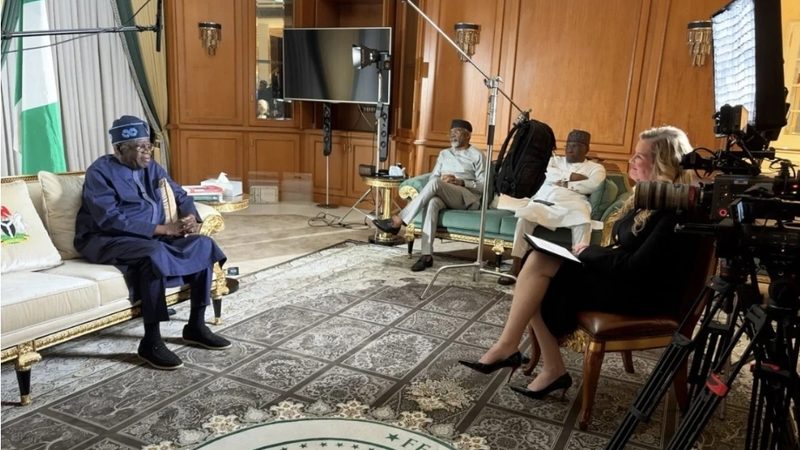
President Bola Tinubu and other presidential candidates participated in the signing ceremony in Abuja, underscoring the importance placed on preventing electoral violence.
However, opposition figures have questioned whether the agreement will translate into concrete action, rather than remain a symbolic commitment.
That concern has gained renewed attention as political exchanges have become increasingly aggressive in some parts of the country.
One of the latest controversies emerged in Edo State, where a video involving APC State Chairman Jarrett Tenebe triggered criticism over remarks referencing an AK-47 in the context of the 2027 election.
The ADC in Edo condemned the remarks and responded that elections should be determined by voters’ Permanent Voter Cards rather than firearms.
The episode has added to broader concerns over the language being used by political actors as parties mobilise supporters.
Separately, Senate Leader Opeyemi Bamidele recently warned politicians against inflammatory rhetoric, hate speech and actions capable of threatening peace ahead of the elections.
Such warnings reflect growing concern that political competition could become more confrontational as the election approaches.
The International Republican Institute, following a pre-election assessment mission to Nigeria in August, identified violence, intimidation and distrust as issues that could undermine peaceful political participation.
The institute urged political leaders and parties to reject rhetoric that threatens opponents, incites violence or portrays electoral defeat as inherently illegitimate.
The IRI also highlighted the importance of preventing misinformation and manipulated electoral content, including AI-generated impersonations, from being used to inflame political tensions.
It recommended that political parties take responsibility for their official digital communications and promptly correct false information circulated through their channels.
The concern is particularly significant as political campaigns increasingly move online, where provocative statements and misleading material can reach large audiences within minutes.
Nigeria’s electoral history shows that political competition can become dangerous when disagreements over power are accompanied by intimidation, hate speech, misinformation and violence.
Inflammatory rhetoric can contribute to an environment in which supporters perceive political opponents as threats rather than competitors.
It can also create pressure on local communities, particularly where political, ethnic or religious identities overlap.
For this reason, election observers and civil society groups increasingly regard early warning and prevention as essential parts of election security.
The objective is not to prevent politicians from criticising opponents. Robust political debate is a normal part of democratic competition.
The challenge is distinguishing legitimate political criticism from statements that threaten violence, encourage discrimination or attempt to intimidate citizens into supporting a particular candidate or party.
The Nigeria Civil Society Situation Room has also warned of rising threats to the democratic process ahead of the 2027 elections, including voter intimidation, electoral violence, inflammatory political rhetoric and alleged abuse of public office.
The National Human Rights Commission has meanwhile established a dedicated Situation Room ahead of the elections to receive and respond to complaints involving issues including hate speech.
Such initiatives are intended to create mechanisms for identifying threats before they escalate.
Political parties have also taken steps at the state level. In Kaduna, representatives of several political parties recently signed a peace agreement committing themselves to peaceful participation and issue-based campaigns. The initiative involved political parties, security agencies, INEC and civil society organisations and focused on early warning, threat mapping and preventing electoral violence.
Security agencies will face a significant responsibility as campaigning intensifies.
The credibility of any response to political threats will depend partly on whether security agencies are perceived as acting impartially, regardless of the political status of the person involved.
Election observers have repeatedly stressed that voters and candidates must be able to participate without fear of intimidation or violence.
The IRI noted that where voters, candidates and observers cannot participate safely, improvements in electoral technology and legal safeguards alone may have limited effect.
This makes the prevention and investigation of political violence an issue that extends beyond Election Day.
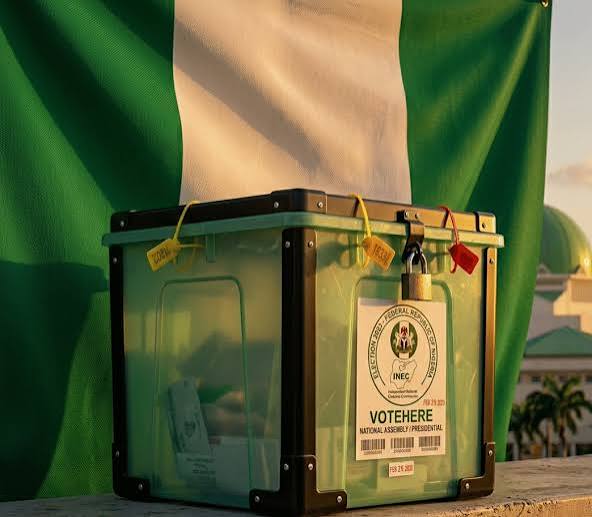
The Independent National Electoral Commission will also be expected to maintain confidence in the electoral process.
The commission has already entered the final stages of preparations for the January 2027 elections, with voter information, electoral logistics, candidate nominations and other components of the electoral calendar receiving increasing attention.
INEC has also warned against conduct capable of undermining peaceful elections, while stressing the need for compliance with electoral laws and campaign rules.
For voters, confidence that their ballots can be cast and counted without intimidation will be critical.
For political parties, the challenge will be to mobilise supporters aggressively enough to compete while preventing campaign rhetoric from escalating into threats against opponents.
The consequences of inflammatory politics could extend beyond the election itself.
Political tensions can damage relationships within communities, discourage voter participation and deepen distrust in democratic institutions.
They can also make it harder for political parties to accept electoral outcomes, particularly when campaigns have portrayed victory as a matter of survival and defeat as unacceptable.
That is why election observers have urged political leaders to treat peaceful political participation as an essential part of the democratic process rathe