Nigeria’s $5 billion health cooperation agreement with the United States has come under renewed scrutiny over provisions on sharing medical data and infectious disease samples, with experts raising concerns about data protection, national sovereignty and the long-term use of information supplied under the deal.
The debate intensified after Ghanaian President John Dramani Mahama disclosed in September that his government had rejected a similar US health agreement over concerns about access to medical records, pathogen information, domestic funding obligations and regulatory oversight of imported medicines.
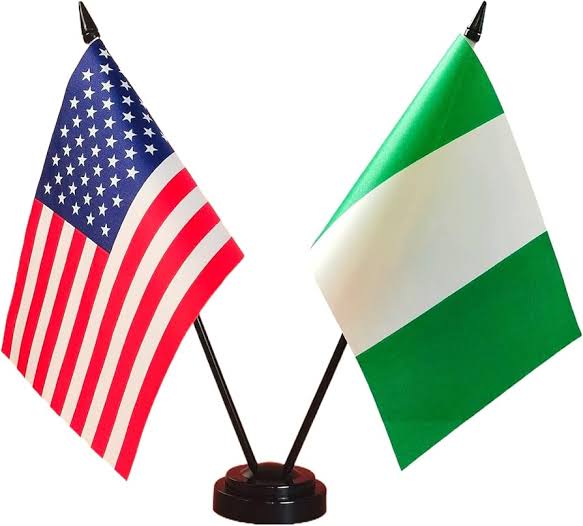
Nigeria signed its five-year Memorandum of Understanding (MoU) with the United States on December 19, 2025, under the US President Donald Trump administration’s America First Global Health Strategy.
Under the agreement, the US intends to provide nearly $2.1 billion in health assistance, while Nigeria is expected to commit approximately $3 billion in domestic health spending over the same period.
The partnership is designed to strengthen disease surveillance, laboratory systems, outbreak response, healthcare data infrastructure and access to essential medical commodities. It also covers programmes targeting HIV/AIDS, tuberculosis, malaria, polio and maternal and child health.
However, a review of the agreement has raised questions about the conditions governing the transfer and continued use of biological samples and related data.
Under a separate specimen-sharing agreement, Nigeria is required to begin sharing samples and related data on novel and emerging infectious diseases within five days of receiving a request from the US government, unless both countries agree on another timeline.
The agreement also permits the US government to share the specimens and related data with eligible US entities involved in developing diagnostic tools and medical countermeasures.
One provision states that if Nigeria terminates the agreement, the termination will not affect the US government’s use of specimens and related data already shared.
Medical experts have questioned this clause, arguing that it could allow continued use of Nigerian biological materials and associated information after the broader partnership has ended.
Professor Innocent Ujah, a former president of the Nigerian Medical Association, said sharing health outcome data was not inherently problematic, noting that such information is routinely used in public health research.
However, he expressed concern about allowing the continued use of shared specimens and data after the agreement’s termination.
Privacy and data protection specialist Olumide Babalola also warned that interconnected health databases could create risks involving unauthorised access, re-identification of individuals and the use of sensitive information for purposes beyond those originally intended.
He called for clear safeguards governing access, storage, retention and the secondary use of health information, in line with Nigeria’s Data Protection Act 2023.
The Federal Government has described the partnership as a major step towards strengthening Nigeria’s health security and building a more resilient healthcare system.
The Ministry of Health and Social Welfare said the agreement would support the early detection and control of infectious diseases, improve laboratory capacity, strengthen frontline healthcare services and expand access to quality primary healthcare.
The US government has also said the partnership is intended to promote sustainable health systems, accountability and shared responsibility between both countries.
The agreement provides for Nigeria to receive priority access to certain medical products developed primarily from samples it supplies, subject to available funding and applicable laws. It also provides for Nigeria to be acknowledged in publications and reports arising from the use of its specimens and related data.
The US may, however, reduce or discontinue assistance if either party fails to meet relevant commitments, following consultations as stipulated in the agreement.
Former Vice-President Atiku Abubakar has called on the Federal Government to publish the full text of the agreement, arguing that Nigerians should be able to examine its provisions and determine whether the concerns raised by Ghana apply to Nigeria’s deal.
Atiku also questioned whether Nigeria could meet its financial commitments under the arrangement, given concerns about the release of funds for approved health projects.
The controversy has also drawn attention to the agreement’s provision for approximately $200 million in dedicated support for Christian faith-based healthcare facilities. The US said the funding was intended to strengthen healthcare services in communities with limited access to medical facilities.
The Federal Government has not publicly addressed all the specific concerns raised in the latest review. The Ministry of Health did not respond to requests for clarification before the report was published.
As scrutiny continues, the central questions concern the protection of Nigerians’ sensitive health information, the conditions governing access to biological samples and whether the benefits of the partnership are matched by adequate safeguards and transparency.