The Socio-Economic Rights and Accountability Project (SERAP) has given the Independent National Electoral Commission (INEC) seven days to account for more than ₦126.46 billion in public funds allegedly diverted, lost, irregularly spent or otherwise unaccounted for, warning that it would pursue legal action if the commission fails to respond.
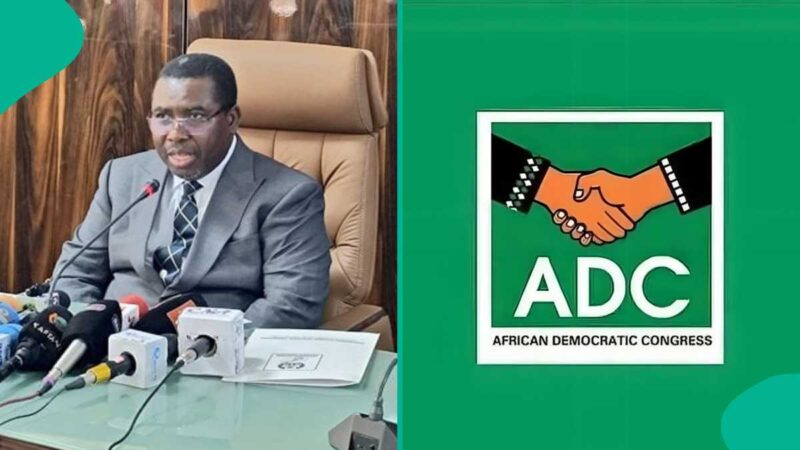
SERAP made the demand in a letter dated September 12, 2026, signed by its Deputy Director, Kolawole Oluwadare, and addressed to INEC Chairman, Professor Joash Amupitan. The organisation said the funds relate to the procurement of ballot boxes, electoral devices and materials, sensitive materials and result sheets, vehicles, accreditation devices, audit and consultancy services, digital archiving, and other goods and services required for the conduct and administration of elections.
The demand followed findings contained in the 2023 audited report of the Auditor-General of the Federation, published on August 7, 2026. According to SERAP, the Auditor-General’s findings covered transactions and activities carried out between January and December 2022, with some extending to December 31, 2023.
In the letter, SERAP stated plainly: “Electoral resources are public resources. INEC must be able to account for every naira, demonstrate that it was lawfully spent and show that it served the purposes for which it was appropriated.” The organisation said it would be grateful if the recommended measures were taken within seven days of receipt or publication of the letter, and warned that it would take further legal action to compel compliance should INEC fail to act.
Among the most significant findings cited by SERAP, the Auditor-General reportedly found that INEC “irregularly paid” ₦112.15 billion for ballot boxes, electoral devices, items and materials without competitive bidding or a Bureau of Public Procurement (BPP) Certificate of No Objection. According to SERAP, the audit found no evidence that the items had actually been procured, and noted that contracts were awarded to companies whose competence, experience, capacity, addresses and factory locations were unknown. The Auditor-General reportedly expressed concern that the money “may have been diverted” and recommended its recovery.
SERAP also cited a payment of more than ₦1.058 billion for Toyota Prado TXL 2021 Model vehicles made without advertisement, competitive bidding, bid evaluation or a BPP Certificate of No Objection, with the Auditor-General again raising concerns that funds might have been lost and that contracts might have been inflated.
In a further allegation, SERAP said INEC paid more than ₦3.136 billion to four contractors for ballot guides, sensitive materials and result sheets before the underlying contracts had even been awarded, with no evidence of the payments being properly documented.
Beyond seeking an explanation from INEC directly, SERAP urged Professor Amupitan and the commission to refer the alleged diversion, unlawful expenditure, procurement violations and other financial misconduct documented by the Auditor-General to the Economic and Financial Crimes Commission (EFCC) and the Independent Corrupt Practices and Other Related Offences Commission (ICPC) for investigation, prosecution and recovery.
The organisation further called on INEC to identify the public officials, contractors, companies, suppliers and consultants allegedly responsible for the transactions, and to take steps to recover any funds found to have been unlawfully or irregularly paid, lost, diverted, or spent on goods and services that were not supplied or properly utilised.
Specifically, SERAP asked INEC to account for the amounts paid, the beneficiaries of the payments, the contracts and procurement processes involved, the contractors and suppliers engaged, and evidence of delivery, utilisation and the current status of the goods, services and electoral assets in question.
The demand comes at a politically sensitive time, with INEC gearing up for the 2027 general election and having recently cleared President Bola Tinubu, Atiku Abubakar, Peter Obi and candidates from a total of eighteen political parties to contest the presidency. Questions over the commission’s financial transparency and procurement practices, if unresolved, could add further pressure on the electoral body as it prepares for what is expected to be a keenly contested national vote.
As of the time of this report, INEC had not issued a public response to SERAP’s letter or the underlying findings of the Auditor-General’s 2023 report.