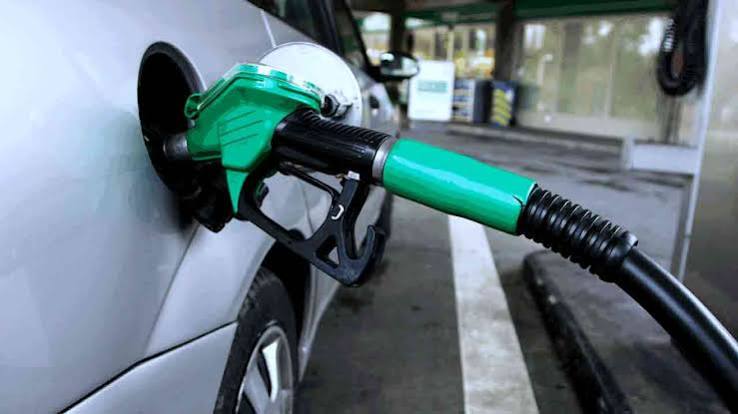
The cost of petroleum products in Nigeria has continued to climb, with the average prices of petrol and diesel rising by a combined 86.3 per cent between January and September 2026.
A fuel price trend report by PriceandPromo showed that the average retail price of petrol increased to ₦1,378 per litre as of September 22, while diesel reached ₦1,899 per litre.
The figures represent an 80.8 per cent increase in petrol prices and a 91.8 per cent rise in diesel prices from their respective January 13 baselines.
The report indicated that fuel prices rose sharply in March before experiencing relative stability between April and July. However, prices began climbing again in August and continued the upward trend into September.
The latest increases have renewed concerns over the impact of energy costs on households and businesses, particularly in an economy where petroleum products remain central to transportation, logistics and electricity generation.
Diesel, which is widely used by businesses to power generators and other equipment, recorded the larger increase during the period. The 91.8 per cent rise places additional pressure on manufacturers, small businesses and commercial operators that rely heavily on diesel-powered equipment.
Petrol prices also have significant implications for transportation costs, as increases at filling stations can translate into higher fares and increased costs for the movement of goods.
The report linked the latest upward movement partly to volatility in international energy markets, underscoring the exposure of Nigeria’s downstream petroleum market to developments in global oil prices.
The development comes despite increased domestic refining activity, including the expansion of local refining capacity. Analysts and industry stakeholders have continued to monitor whether higher domestic production can eventually reduce Nigeria’s exposure to imported petroleum products and international price shocks.
Meanwhile, data from the Nigerian Midstream and Downstream Petroleum Regulatory Authority cited by our reporter showed that petrol consumption declined during the first eight months of 2026. Average daily consumption fell from about 60.2 million litres in January to 41.5 million litres in August.
The decline suggests that higher pump prices may be affecting consumer demand, with motorists and businesses adjusting their fuel consumption in response to rising costs.
With petrol and diesel prices remaining elevated, further increases could continue to feed into transportation, production and distribution costs, potentially putting additional pressure on household budgets and business operating expenses.