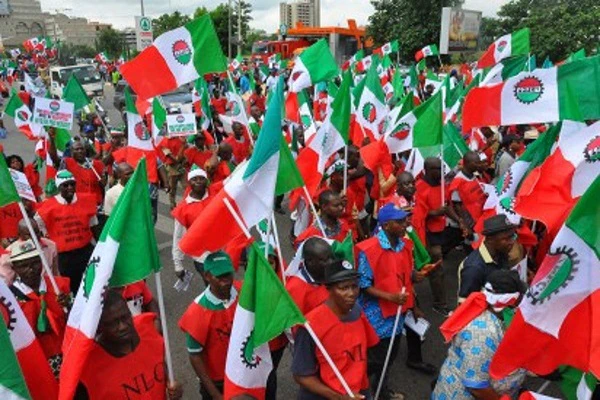
Public servants across Nigeria have commenced a three-day warning strike over what their unions described as worsening economic hardship and the Federal Government’s failure to address key demands concerning fuel prices, workers’ welfare and a new national minimum wage.
The industrial action, directed by the Joint National Public Service Negotiating Council (JNPSNC), began at midnight on Friday, October 2, and is scheduled to run until Sunday, October 4, 2026.
The council directed workers across the federal, state and local government services, including employees of ministries, departments and agencies, to participate in the action. The directive was contained in a circular dated October 1 and signed by the council’s National Secretary, Olowoyo Gbenga.
The warning strike followed the expiration of a deadline issued to the Federal Government to respond to the unions’ demands.
Among the demands is a reduction in the pump price of petrol to ₦500 per litre, an immediate wage award to cushion workers against rising living costs and the commencement of negotiations for a new national minimum wage ahead of 2027. The council had formally presented its demands to President Bola Tinubu in a September 21 letter.
The JNPSNC had warned on September 29 that workers would embark on the three-day action if the government failed to address the issues by September 30. The council said the high cost of fuel was contributing to increased transportation expenses and higher prices of goods and services.
The unions also want the Federal Government to constitute a tripartite committee to begin negotiations on a new national minimum wage expected to become due in 2027. They said early negotiations were necessary to avoid delays in implementing any new wage agreement.
The strike involves unions affiliated with the JNPSNC, including the Nigeria Civil Service Union, Medical and Health Workers Union, Association of Senior Civil Servants of Nigeria, National Association of Nigerian Nurses and Midwives, and other public-sector unions.
The council said the current economic situation had placed considerable pressure on workers, their dependants and vulnerable Nigerians. It therefore directed its national and state structures to mobilise workers and ensure compliance with the warning strike.
What happens next?
The immediate impact of the action is expected to be felt across government offices and public services as workers observe the three-day directive. However, the strike is currently framed as a warning strike, rather than an indefinite industrial action.
The key issue after October 4 will be whether the government and the unions reach an understanding on the demands that triggered the action. If an agreement is reached, the unions could suspend further industrial action. If the dispute remains unresolved, the warning strike could increase pressure for further negotiations or additional measures by organised labour.
The Federal Government’s response will therefore be closely watched, particularly on the unions’ demands for lower petrol prices, a wage award and the commencement of negotiations for a new minimum wage.
For now, the JNPSNC has instructed public servants to observe the action through Sunday, October 4, after which the next steps are expected to depend on developments between the unions and the government.
Public workers begin three-day warning strike as government faces pressure over fuel, wages
Public servants across Nigeria have commenced a three-day warning strike over what their unions described as worsening economic hardship and the Federal Government’s failure to address key demands concerning fuel prices, workers’ welfare and a new national minimum wage.
The industrial action, directed by the Joint National Public Service Negotiating Council (JNPSNC), began at midnight on Friday, October 2, and is scheduled to run until Sunday, October 4, 2026.
The council directed workers across the federal, state and local government services, including employees of ministries, departments and agencies, to participate in the action. The directive was contained in a circular dated October 1 and signed by the council’s National Secretary, Olowoyo Gbenga.
The warning strike followed the expiration of a deadline issued to the Federal Government to respond to the unions’ demands.
Among the demands is a reduction in the pump price of petrol to ₦500 per litre, an immediate wage award to cushion workers against rising living costs and the commencement of negotiations for a new national minimum wage ahead of 2027. The council had formally presented its demands to President Bola Tinubu in a September 21 letter.
The JNPSNC had warned on September 29 that workers would embark on the three-day action if the government failed to address the issues by September 30. The council said the high cost of fuel was contributing to increased transportation expenses and higher prices of goods and services.
The unions also want the Federal Government to constitute a tripartite committee to begin negotiations on a new national minimum wage expected to become due in 2027. They said early negotiations were necessary to avoid delays in implementing any new wage agreement.
The strike involves unions affiliated with the JNPSNC, including the Nigeria Civil Service Union, Medical and Health Workers Union, Association of Senior Civil Servants of Nigeria, National Association of Nigerian Nurses and Midwives, and other public-sector unions.
The council said the current economic situation had placed considerable pressure on workers, their dependants and vulnerable Nigerians. It therefore directed its national and state structures to mobilise workers and ensure compliance with the warning strike.
What happens next?
The immediate impact of the action is expected to be felt across government offices and public services as workers observe the three-day directive. However, the strike is currently framed as a warning strike, rather than an indefinite industrial action.
The key issue after October 4 will be whether the government and the unions reach an understanding on the demands that triggered the action. If an agreement is reached, the unions could suspend further industrial action. If the dispute remains unresolved, the warning strike could increase pressure for further negotiations or additional measures by organised labour.
The Federal Government’s response will therefore be closely watched, particularly on the unions’ demands for lower petrol prices, a wage award and the commencement of negotiations for a new minimum wage.
For now, the JNPSNC has instructed public servants to observe the action through Sunday, October 4, after which the next steps are expected to depend on developments between the unions and the government.