The family of Gbadebo Rhodes-Vivour, the African Democratic Congress (ADC) governorship candidate in Lagos State, has released historical documents, photographs and family records to support its account of the family’s Yoruba heritage and longstanding ties to Lagos.
The release comes amid renewed public debate over Rhodes-Vivour’s ancestry, cultural identity and connection to Lagos ahead of the 2027 governorship election.
In a statement published on Saturday, the family said the materials were intended to address what it described as attempts to misrepresent its history and pedigree in the state.
“We have observed a deliberate attempt to distract the public with falsehoods against a family whose history and pedigree in Lagos State is so well documented and preserved,” the family said.
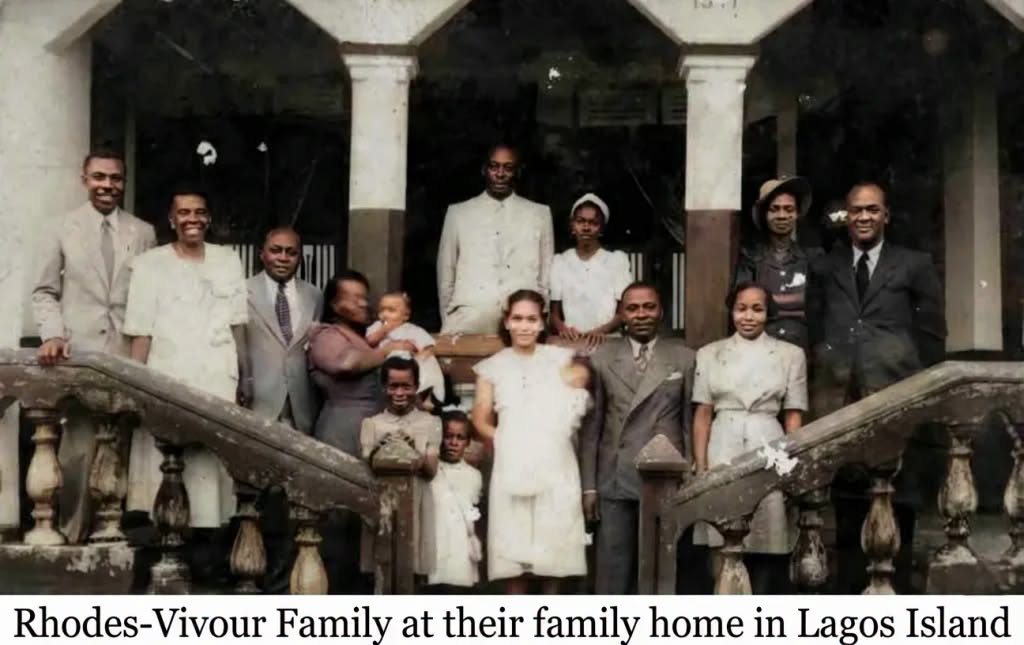
It announced the creation of the Rhodes-Vivour Family Archives, a digital collection containing historical photographs, manuscripts, official documents and accounts of the family’s contributions to commerce, law, public service and military service. The collection is hosted on the family’s website.
According to the archive, the Rhodes-Vivour family has roots in Lagos and a history associated with the Saro community — a term commonly used for Africans who returned from Sierra Leone to parts of West Africa, including formerly enslaved people and their descendants.
One of the figures highlighted in the collection is William Allen Vivour, who lived from 1830 to 1890. The family archive describes him as a descendant of a Lagosian who was resettled in Sierra Leone and later became a prominent merchant and planter with business interests in Fernando Po, now known as Bioko Island in Equatorial Guinea.
The collection also documents the family’s historic residence on Igbosere Road, Lagos Island, which it describes as a home associated with successive generations of family members.
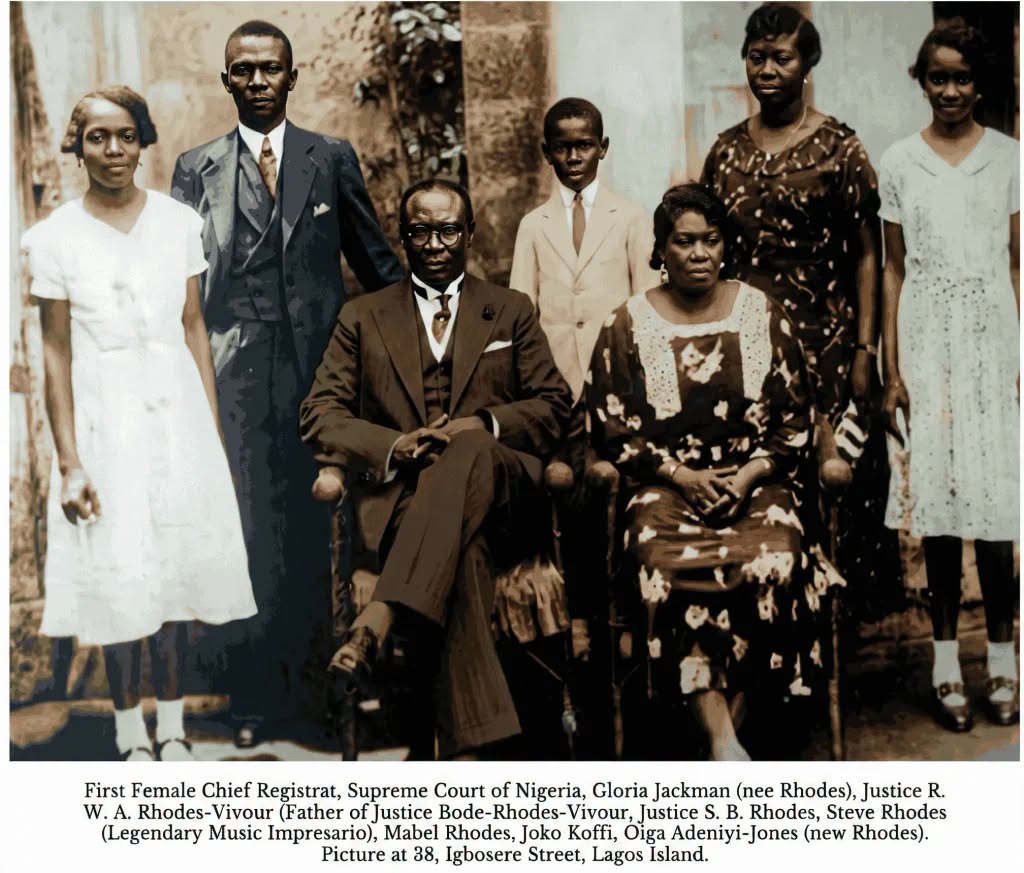
Another figure featured in the records is Justice Stephen Bankole Rhodes II, who served as a judge of Nigeria’s Supreme Court after his appointment in 1945. The archive also highlights members of the family who served in public institutions and the military.
The documents and photographs are being presented by the family as evidence of its historical connections to Lagos and its place in the city’s social and professional history.
Questions about Rhodes-Vivour’s Yoruba identity have featured in previous political contests, particularly during the 2023 Lagos governorship election, when he contested on the Labour Party platform.
The debate has included discussion of his mixed family background and his fluency in Yoruba. Rhodes-Vivour has previously maintained that Lagos is Yoruba land while emphasising the contributions of indigenous communities, including the Awori and Egun, to the development of the state.
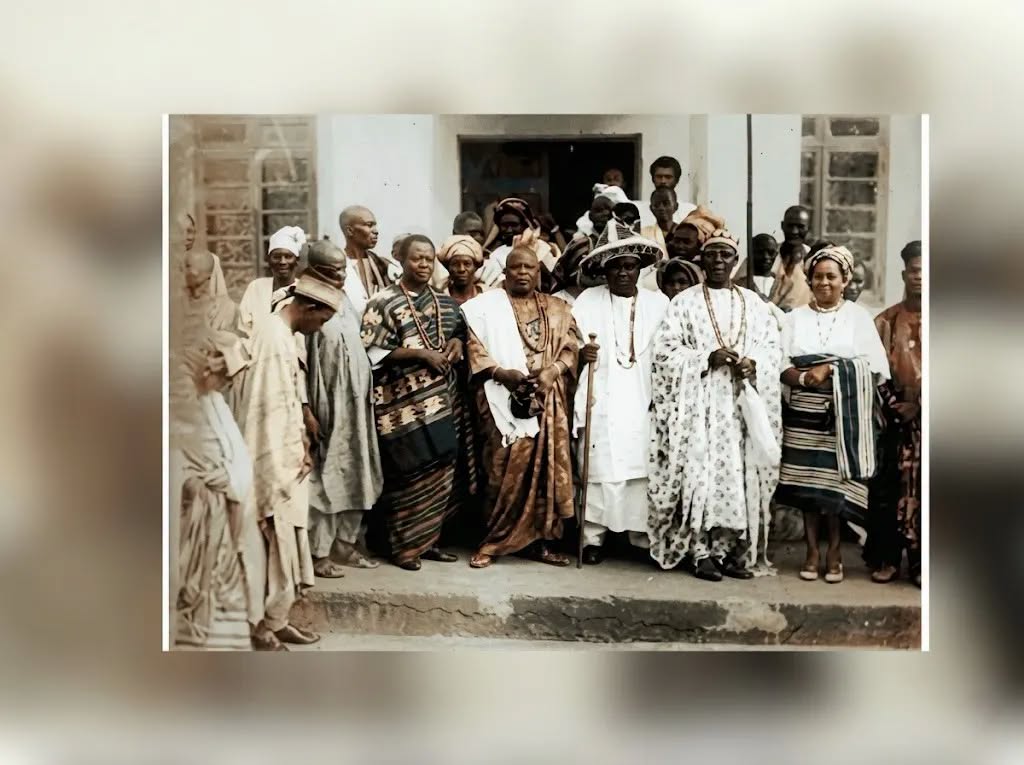
In October 2026, he again addressed criticism of his Yoruba fluency, saying his difficulty was with speaking the language fluently rather than his recognition of Lagos’s Yoruba identity. He argued that cultural preservation and effective governance were not dependent on a politician speaking perfect Yoruba.
The latest release of family records adds historical material to a debate that has periodically shaped political discussions about identity and belonging in Lagos.
However, the archive’s descriptions and historical interpretations are those presented by the family. The release itself does not independently resolve every question surrounding ancestry or cultural identity.
As political parties prepare for the 2027 governorship election, the controversy highlights how questions of heritage, language and indigeneity continue to feature in Lagos politics alongside issues such as housing, transportation, flooding, infrastructure and public services.