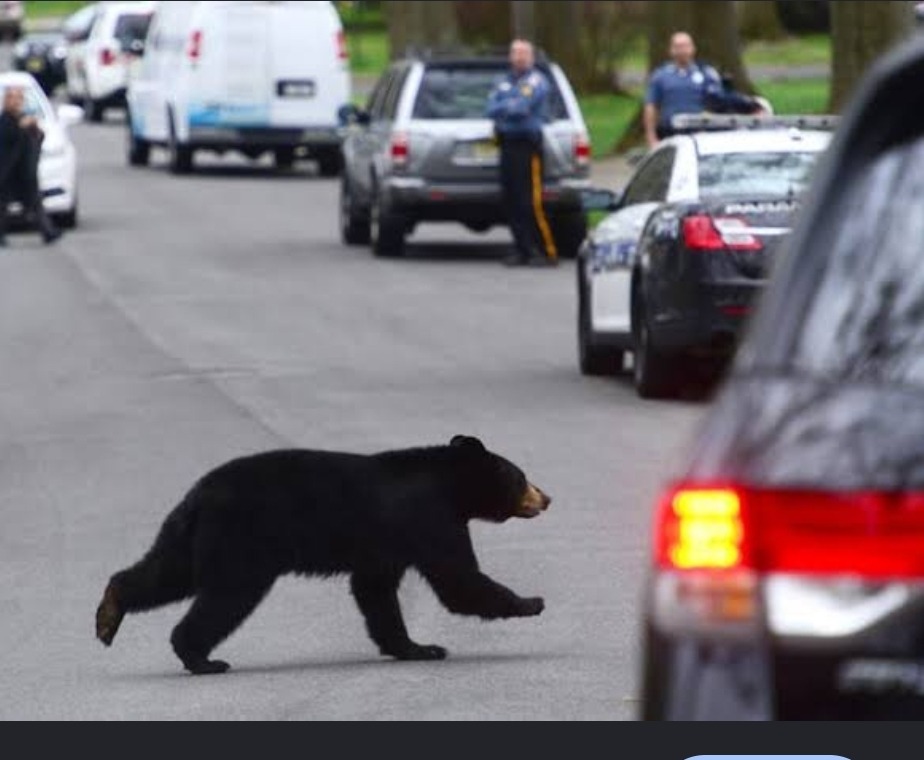
Russia is preparing urgent measures to control its brown bear population after at least 22 people were killed in bear attacks across the country since spring, amid growing concerns over human-wildlife encounters.
Deputy Prime Minister Dmitry Patrushev said the government would consider measures including lifting hunting quotas, setting regional population limits and giving local authorities greater powers to manage bear numbers. The government also plans to identify regions requiring additional funding to address the problem.
The move follows a series of fatal attacks in several regions, including Kamchatka and Siberia. In the latest reported incident, a 23-year-old man gathering berries was killed by a bear in Kamchatka.
Russia’s brown bear population has more than doubled over the past three decades, reaching about 308,000, according to the country’s Natural Resources Ministry. Officials have linked part of the population growth to shorter and milder winters.
Experts have also linked the increase in encounters between bears and humans to environmental and human factors. An early, dry spring reportedly reduced the availability of berries and other natural food sources, forcing bears to search more widely for food. Human behaviour, including leaving food waste accessible to wildlife and ignoring safety guidelines, has also been identified as a contributing factor.
However, Russia’s Environment Ministry has cautioned against portraying the situation as an unprecedented nationwide surge. The ministry said around 20 to 30 bear attacks have been recorded annually in recent years, with 2014 standing out as an exceptional year when 166 attacks were reported. Officials also noted that smartphones and social media have made incidents more widely visible.
The recent incidents have nevertheless prompted concern in some regions. In Krasnoyarsk, investigators opened a criminal case over alleged official negligence after several people were killed in bear attacks in September.
Patrushev said the proposed measures were intended to maintain a balance between human safety and wildlife conservation as authorities seek to reduce dangerous encounters between bears and residents.