Nigeria is navigating a delicate economic balancing act as a surge in global crude oil prices delivers a significant revenue windfall to the federal government while simultaneously driving up domestic fuel costs and stoking fresh inflation concerns.
Recent volatility in the international oil market, fuelled by geopolitical tensions and disruptions in global supply chains following heightened U.S.–Iran diplomatic and military friction, briefly pushed Brent crude above $120 per barrel. For Nigeria, the spike translated into an estimated ₦5.13 trillion increase in oil revenue between March and April, providing an unexpected boost to government finances.
However, the same global price surge has placed significant strain on households and businesses at home. Following Nigeria’s transition away from fuel subsidies, domestic petrol prices—closely tied to international benchmarks—rose sharply from an average of about ₦830 per litre to as high as ₦1,300 per litre in several parts of the country during the peak of the crisis.
The resulting increase in energy costs has fed into broader inflationary pressures. Transport fares and logistics expenses have climbed, pushing up the prices of food and essential goods. Economic analysts warn that continued pass-through effects from fuel costs could keep headline inflation near the 20 percent range if sustained.
To contain inflation and stabilise the naira, the Central Bank of Nigeria has maintained a tight monetary stance, holding its benchmark interest rate at 26.5 percent as part of ongoing efforts to reduce liquidity pressures and anchor price stability.
The situation, however, has begun to shift following easing geopolitical tensions and a framework agreement between the United States and Iran to reopen key shipping routes in the Strait of Hormuz. The development triggered a decline in global crude prices, with Brent falling back below $80 per barrel, easing pressure on downstream markets.
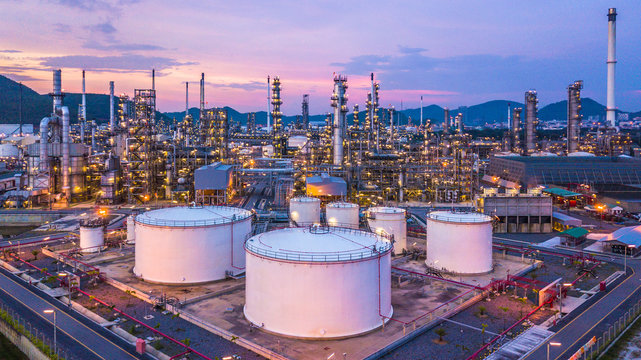
In Nigeria’s domestic fuel sector, the impact of this price correction has been immediate. The Dangote Petroleum Refinery—now a dominant supplier in the local market—responded by reducing its ex-depot price of Premium Motor Spirit by ₦75 per litre, bringing it down from ₦1,250 to ₦1,175. Diesel and aviation fuel prices were also reduced by about ₦100 per litre in subsequent adjustments.
Independent petroleum marketers say the gradual clearing of higher-cost inventories is expected to translate into lower pump prices, with retail fuel potentially settling around ₦1,200 per litre in Lagos and surrounding areas in the near term.
Despite the short-term relief, policymakers and analysts caution that Nigeria’s exposure to global oil cycles remains a structural vulnerability. While the federal government continues to benefit from improved oil earnings, it has maintained that there will be no return to fuel subsidies, instead prioritising long-term investment in domestic production and upstream development.
For now, the country remains caught between two economic realities—stronger fiscal inflows from high oil prices on one hand, and persistent cost-of-living pressures driven by volatile energy markets on the other.