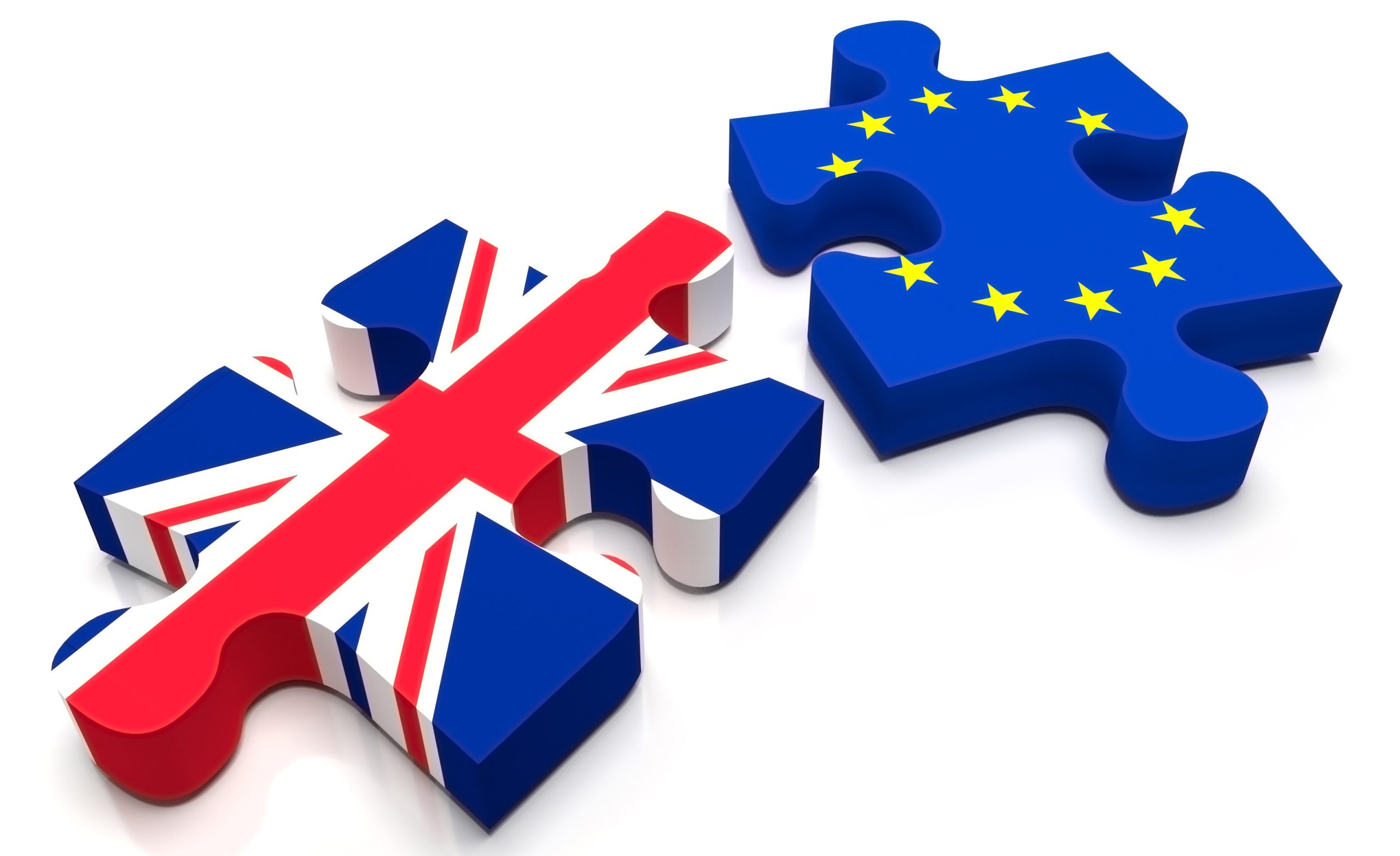
Ten years after British voters narrowly chose to leave the European Union, the United Kingdom is marking a milestone that continues to shape its economy, politics and global positioning.
The referendum on June 23, 2016, ended with 52 percent voting in favour of Brexit, triggering a withdrawal process that formally removed Britain from the EU and redefined its relationship with its largest trading partner.
A decade on, policymakers, economists and analysts remain divided over its legacy. While supporters point to restored sovereignty and independent policymaking, critics argue that Brexit has created lasting economic friction, particularly in trade and investment.
Supporters of Brexit say one of its clearest outcomes has been the restoration of full legislative and judicial autonomy.
The UK Parliament now makes domestic laws without oversight from EU institutions, and British courts are no longer bound by rulings of the European Court of Justice.
The end of freedom of movement also enabled the introduction of a points-based immigration system, designed to prioritise skilled labour and regulate inflows from outside Europe.
Britain has also pursued an independent trade agenda, signing agreements with countries such as Australia and New Zealand, and joining the Comprehensive and Progressive Agreement for Trans-Pacific Partnership (CPTPP), strengthening its economic ties in the Indo-Pacific region.
Despite these developments, economists say Brexit has introduced persistent barriers to trade with the European Union.
Although the UK-EU Trade and Cooperation Agreement removed tariffs, businesses now face customs declarations, regulatory checks and additional administrative requirements that did not exist while Britain was part of the single market.
These frictions have increased costs for exporters and disrupted supply chains, particularly in manufacturing, agriculture and small business sectors. Analysts also note that investment and productivity growth have underperformed compared with pre-referendum projections.
Small and medium-sized enterprises have been especially affected, with many scaling back or abandoning exports to Europe due to compliance costs and regulatory complexity.
The economic effects of Brexit have varied significantly across industries.
Manufacturing, agriculture and heavy industry have faced the most direct challenges due to rules-of-origin requirements and customs delays affecting integrated supply chains.
By contrast, service sectors such as legal, consulting and digital services have remained comparatively resilient. However, parts of the financial services industry lost automatic access to EU markets, requiring firms to establish operations within the bloc to maintain market access.
A decade after the referendum, debate continues over whether Britain’s independent trade strategy can offset the loss of frictionless access to the EU single market.
Supporters argue that new trade deals provide long-term global opportunities, while critics say their economic impact remains limited compared with the scale of trade previously conducted within the EU framework.
Business groups also point to lingering uncertainty following the referendum period, which they say influenced corporate decisions on investment and expansion.
Beyond economics, analysts say Brexit has reshaped the UK’s political landscape by increasing domestic accountability.
With decision-making no longer shared with Brussels, national governments are now fully responsible for outcomes in areas such as economic performance, public services, housing and healthcare.
Observers say this shift has made domestic policy debates more direct, with voters increasingly attributing national challenges to Westminster rather than external institutions.
Ten years on, Brexit remains one of the defining political events in modern British history—delivering greater sovereignty while introducing new economic trade-offs that continue to be debated.
As the UK enters its second decade outside the European Union, the long-term assessment remains unsettled. What is clear, however, is that Brexit has permanently altered Britain’s economic model, political accountability, and global orientation.