
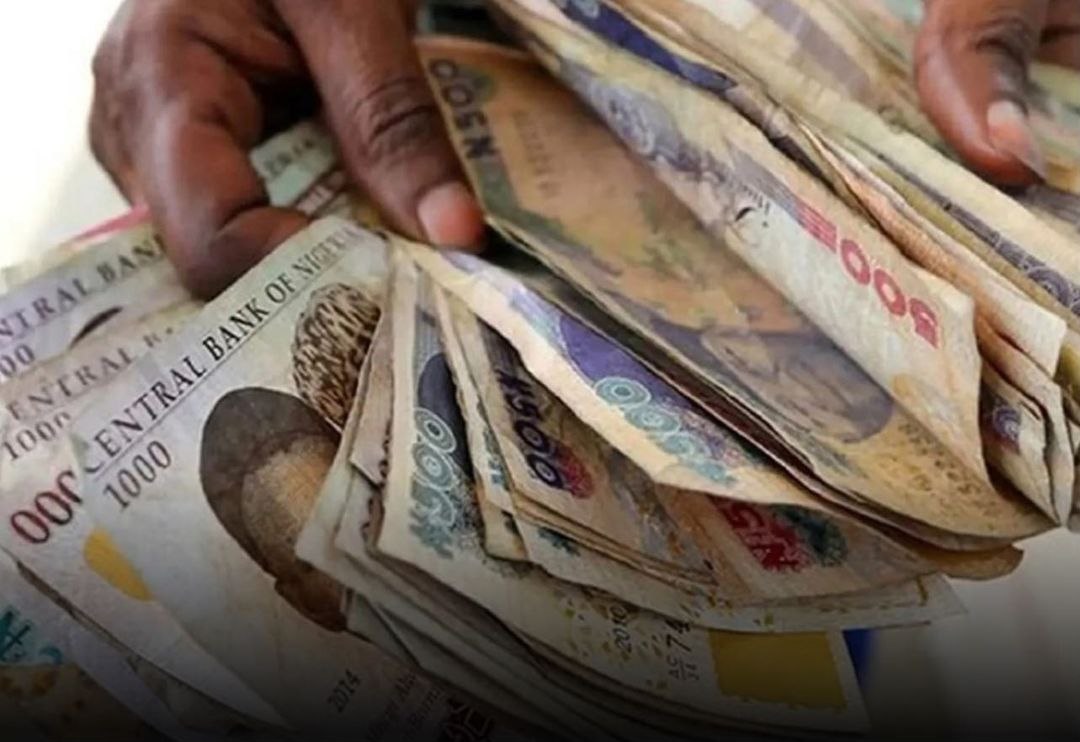
The Nigerian naira recorded a slight depreciation against the United States dollar at the official foreign exchange market, closing at N1,380.93/$, according to the latest figures released by the Central Bank of Nigeria (CBN).
The local currency weakened by 0.06 per cent from the previous trading session, extending its recent trend of relative stability within the N1,300 to N1,400 per dollar range.
At the official market, the naira traded at a buying rate of N1,379.93/$ and a selling rate of N1,380.93/$. Meanwhile, the parallel market, commonly referred to as the black market, remained largely stable, with the dollar exchanging between N1,391 and N1,402.50.
The narrow gap between the official and parallel market rates reflects a continued reduction in the arbitrage margin that has historically encouraged speculative trading.
A review of the naira’s monthly performance showed that the currency opened the month at N1,366.80/$, indicating an overall depreciation of about 1.03 per cent over the period. During the month, it also recorded its strongest level at N1,356.27/$ before easing to its current rate.
Despite the marginal decline, analysts note that the naira has remained relatively stable below the N1,400/$ mark, a significant improvement compared to the sharp volatility experienced in previous months. They attribute the stability to ongoing liquidity interventions and foreign exchange reforms implemented by the Central Bank of Nigeria.
The naira also posted mixed performances against other major international currencies at the close of trading. The British pound closed at a selling rate of N1,824.90, while the euro traded at N1,577.58. The South African rand settled at N83.89.
Market analysts said the continued convergence of rates across the official and parallel markets suggests that the CBN’s efforts to improve foreign exchange liquidity and reduce market distortions are yielding results. They expect the currency to remain relatively stable in the near term, provided current supply conditions are sustained.