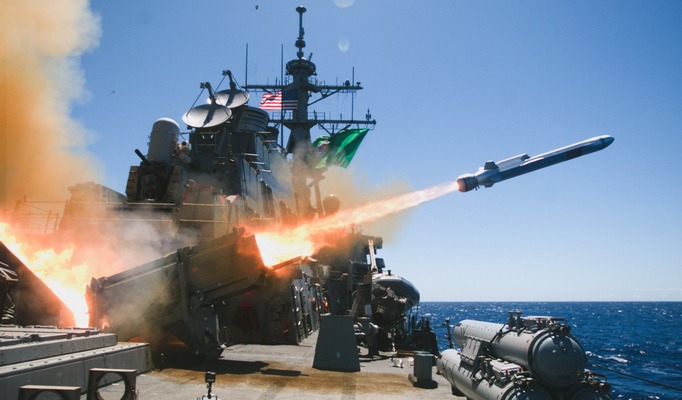
The United States Africa Command (AFRICOM) has confirmed that it carried out precision airstrikes against ISIS-linked militants in Sokoto State, following a formal request by the Nigerian government, marking a renewed phase of security cooperation between both countries in the fight against terrorism.
According to security sources, the airstrikes targeted identified hideouts of ISIS operatives operating in remote parts of the state, resulting in the death of multiple militants.
The operation, which was based on actionable intelligence, was aimed at degrading the operational capacity of extremist groups responsible for attacks on civilians and security personnel across northern Nigeria.
Reacting to the development, Nigeria’s Ministry of Foreign Affairs emphasized that the operation was conducted within the framework of mutual respect for Nigeria’s sovereignty.
In a statement, the ministry clarified that collaboration with the United States and other international partners is guided by intelligence sharing, strategic coordination and clearly defined rules of engagement.
“The Nigerian government remains fully in charge of its territorial integrity and security operations,” the ministry stated, adding that foreign assistance is sought strictly to complement ongoing efforts by the Nigerian Armed Forces and other security agencies.
The airstrikes come amid worsening security challenges across several parts of the country, where armed groups linked to Boko Haram and the Islamic State West Africa Province (ISWAP) have continued to carry out attacks on both Muslim and Christian communities.
Analysts note that the violence is driven by extremist ideology and criminality rather than religion, with civilians bearing the brunt of the conflict.
In response to the escalating insecurity, President Bola Ahmed Tinubu recently declared a security emergency and approved the mass recruitment of personnel into the armed forces and other security agencies.
The President also directed security chiefs to intensify counterterrorism operations and improve coordination across affected regions.
Meanwhile, state leaders have weighed in on the implications of the U.S. airstrikes and the broader security situation. Governor Abdullahi Sule dismissed claims that the ongoing violence amounts to religious genocide, describing such narratives as misleading and capable of deepening divisions.
He urged Nigerians to focus on unity and support for security agencies confronting armed groups.
On his part, Osun State Governor Ademola Adeleke called for renewed diplomatic engagement between Nigeria and the United States, stressing that sustained international cooperation remains vital in tackling transnational terrorism.
He noted that extremist groups operate across borders and require coordinated global responses.
Security experts say the Sokoto airstrikes highlight the evolving nature of Nigeria’s counterterrorism strategy, which increasingly blends domestic military operations with targeted international support.
They caution, however, that long-term stability will depend on strengthening local intelligence, improving troop welfare and addressing the socio-economic conditions that fuel radicalisation.
As Nigeria continues to battle insurgency and banditry, the government insists that all foreign assistance will remain strategic, time-bound and firmly under Nigerian leadership, underscoring its commitment to safeguarding national sovereignty while leveraging global partnerships to restore peace and security.