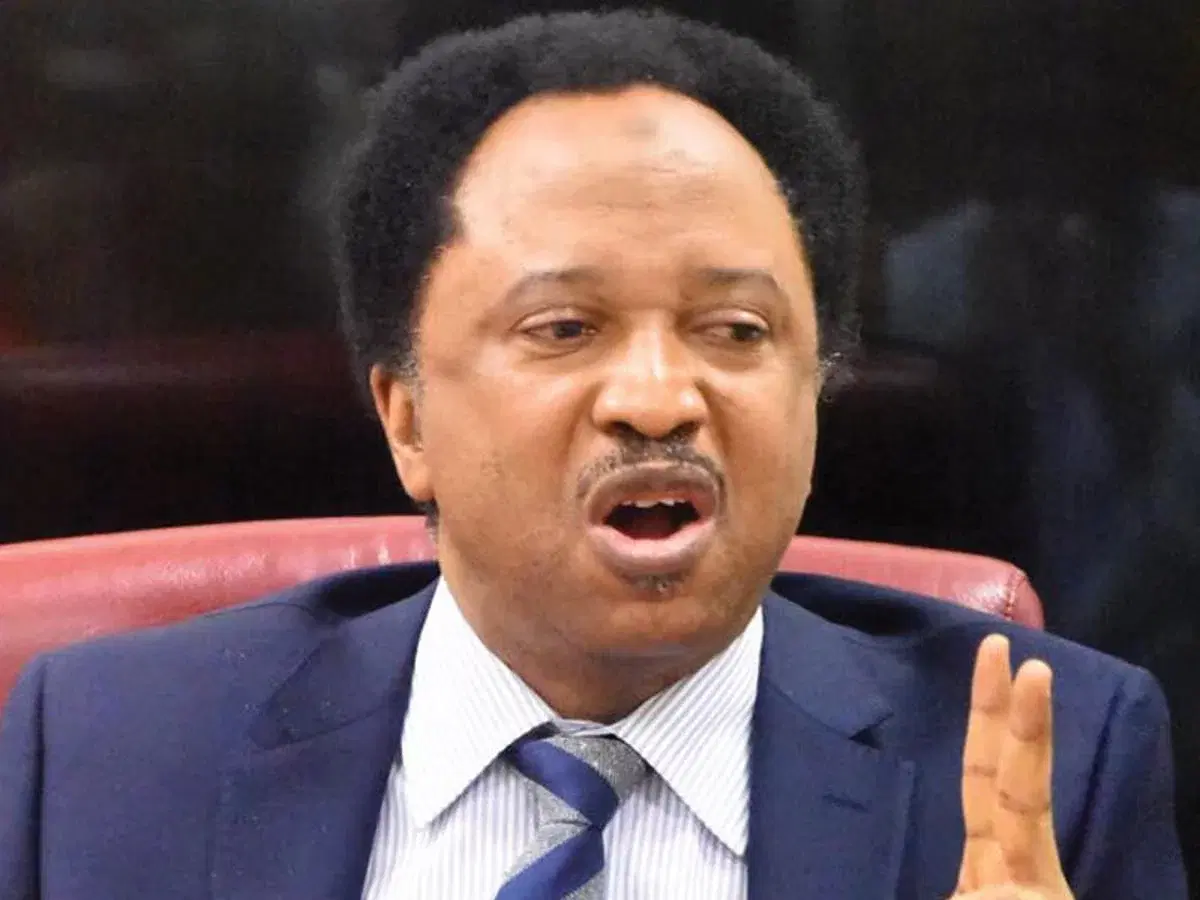
Former Senator representing Kaduna Central, Shehu Sani, has cautioned against overreliance on foreign military intervention in Nigeria’s fight against terrorism, insisting that while external support can be useful, the country must ultimately take full responsibility for securing its territory.
Sani made the remarks while reacting to reports of United States military actions targeting ISIS-linked terrorists in parts of Africa, a development that has reignited debate on the role of foreign powers in addressing security challenges facing Nigeria and the wider Sahel region.
According to the former lawmaker, international military assistance—such as intelligence sharing, training, logistics and targeted strikes—can complement Nigeria’s counterterrorism efforts, but cannot substitute for strong domestic capacity and political will.
He stressed that sustainable peace and security can only be achieved when Nigerian security institutions are adequately empowered and reformed to confront insurgency and violent extremism.
“The United States or any foreign power cannot eternally fight our battles for us,” Sani said.
“Foreign intervention may provide temporary relief, but the long-term responsibility of protecting lives and property rests squarely on Nigeria. We must build a self-reliant, well-equipped and accountable security architecture.”
Security analysts largely agree with this position.
A counterterrorism expert at the Centre for Security Studies in Abuja noted that foreign airstrikes and military cooperation often weaken terrorist networks in the short term, but rarely eliminate them without strong local follow-up operations.
“External forces can degrade terrorist capabilities, but without effective governance, intelligence coordination and community engagement, such groups often regroup,” the expert said.
Another defence analyst added that Nigeria’s fight against insurgent groups such as Boko Haram and ISIS-West Africa Province (ISWAP) requires more than military firepower.
He emphasized the need for improved intelligence gathering, better welfare for troops, modern equipment, and a comprehensive strategy that addresses poverty, unemployment and radicalisation.
“Terrorism thrives where the state is weak. Military action must go hand in hand with social and economic interventions,” he explained.
Sani also urged the Nigerian government to invest more in local defence industries, strengthen regional cooperation with neighbouring countries, and enhance accountability within the security sector.
He warned that excessive dependence on foreign forces could undermine national sovereignty and public confidence in the country’s ability to defend itself.
As global powers continue to conduct counterterrorism operations across Africa, Sani’s comments underscore a growing consensus among policymakers and experts that while international partnerships are important, Nigeria’s security challenges demand Nigerian-led solutions anchored in strong institutions, inclusive governance and sustained political commitment.
Studies in Abuja noted that foreign airstrikes and military cooperation often weaken terrorist networks in the short term, but rarely eliminate them without strong local follow-up operations.
“External forces can degrade terrorist capabilities, but without effective governance, intelligence coordination and community engagement, such groups often regroup,” the expert said.
Another defence analyst added that Nigeria’s fight against insurgent groups such as Boko Haram and ISIS-West Africa Province (ISWAP) requires more than military firepower.
He emphasized the need for improved intelligence gathering, better welfare for troops, modern equipment, and a comprehensive strategy that addresses poverty, unemployment and radicalisation.
“Terrorism thrives where the state is weak. Military action must go hand in hand with social and economic interventions,” he explained
Sani also urged the Nigerian government to invest more in local defence industries, strengthen regional cooperation with neighbouring countries, and enhance accountability within the security sector.
He warned that excessive dependence on foreign forces could undermine national sovereignty and public confidence in the country’s ability to defend itself.
As global powers continue to conduct counterterrorism operations across Africa, Sani’s comments underscore a growing consensus among policymakers and experts that while international partnerships are important, Nigeria’s security challenges demand Nigerian-led solutions anchored in strong institutions, inclusive governance and sustained political commitment.