
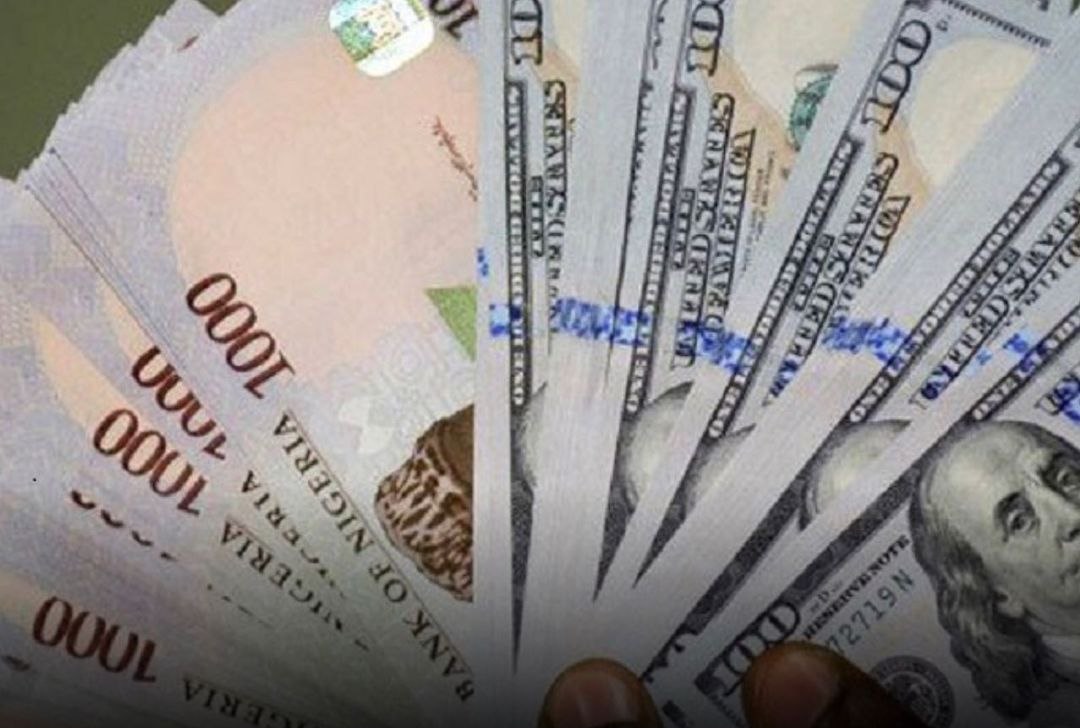
Nigeria’s naira has remained stubbornly weak despite a recent decline in the US dollar on international markets, underscoring persistent structural problems in the country’s foreign exchange system.
While the dollar has weakened globally amid expectations of shifts in Federal Reserve policy, the naira has failed to capitalize on the trend. In some trading sessions, Nigeria’s currency has even depreciated further.
In the official market, the naira traded within a narrow band of N1,409 to N1,421 per dollar during the week ending January 24, closing at N1,421.9 to the dollar. The currency has continued losing value against other emerging market currencies despite favorable global conditions.
Analysts point to a range of domestic challenges preventing the naira from benefiting from dollar weakness. These include shallow foreign exchange liquidity, supply constraints in the official FX window, weak dollar inflows, heavy dependence on oil revenues, restricted access to foreign currency, and the continuing influence of the parallel market.
“The naira’s performance is driven largely by Nigerian-specific challenges,” market observers say. Foreign exchange availability in the official market remains scarce, with many businesses and individuals still struggling to obtain dollars for essential transactions. This has sustained high demand for the greenback even as global conditions would typically ease pressure on local currencies.
Nigeria’s reliance on oil revenues has left the currency vulnerable to fluctuations in global crude prices. Limited inflows from oil exports and persistent inflation have prevented any appreciation despite the weaker dollar internationally.
Meanwhile, the parallel market, commonly known as the black market has shown relative stability compared to the volatility in the official FX window. Though it remains a significant part of Nigeria’s foreign exchange landscape, the parallel market’s movements have been less erratic than those of the official channel.
The naira’s inability to respond to favorable global currency movements raises fresh questions about the effectiveness of Nigeria’s foreign exchange management policies and the broader health of the economy.