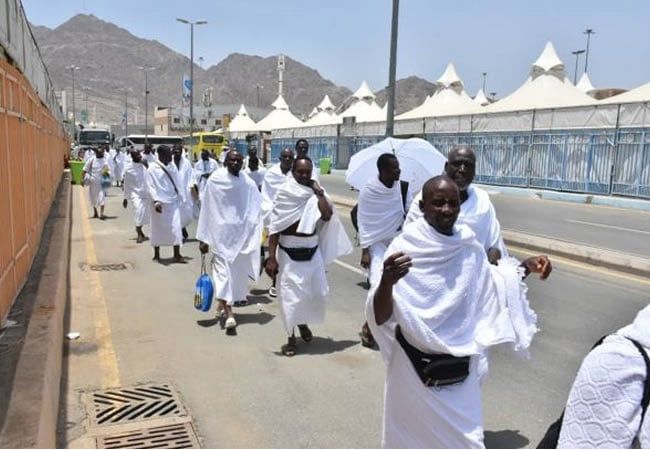
The Bauchi State Muslim Pilgrims Welfare Board has formally requested additional Hajj slots from Saudi authorities for the 2026 pilgrimage season, citing overwhelming demand from intending pilgrims and the state’s track record of fully utilizing its allocated quota in 2025.
The appeal comes as thousands of Muslims in Bauchi State prepare for the annual pilgrimage to Mecca and Medina, with the number of intending pilgrims far exceeding the state’s current allocation. Board officials argue that the increased slots are necessary to accommodate the growing interest among residents who wish to fulfill this important religious obligation.
According to the Executive Secretary of the Bauchi State Muslim Pilgrims Welfare Board, the state successfully exhausted its entire 2025 Hajj allocation, demonstrating effective management and the genuine demand for pilgrimage slots among Bauchi residents. This performance, officials believe, justifies the request for an expanded quota in 2026.
The board emphasized that many eligible and financially capable Muslims in the state have been waiting for years to perform Hajj due to limited slot availability. Some intending pilgrims have registered and paid deposits but remain on waiting lists as the state struggles to accommodate everyone within its current allocation.
Bauchi State’s request is part of broader negotiations between Nigerian authorities and the Kingdom of Saudi Arabia over the country’s overall Hajj quota for 2026. Each state in Nigeria receives an allocation based on various factors including population, previous performance, and available slots from the Saudi government.
The pilgrims board has assured intending pilgrims that it is working diligently to secure additional slots while maintaining the high standards of service and organization that characterized previous pilgrimages. Officials noted that the state government has demonstrated commitment to ensuring comfortable and spiritually fulfilling experiences for all pilgrims.
To justify the request for increased allocation, the board highlighted several factors including Bauchi’s large Muslim population, the state’s exemplary conduct during previous pilgrimages, timely payment of Hajj fares, and effective coordination that has resulted in minimal incidents involving Bauchi pilgrims in Saudi Arabia.
The Executive Secretary also pointed to the state government’s investment in pilgrimage infrastructure and support services, including orientation programs, health screenings, and post-Hajj monitoring systems that ensure pilgrims are well-prepared and cared for throughout their journey.
However, the success of Bauchi’s request will depend on Saudi Arabia’s overall quota for Nigeria and how the National Hajj Commission of Nigeria (NAHCON) distributes available slots among states. Competition for additional allocations is typically intense, with many states making similar requests based on local demand.
NAHCON has indicated that it will consider various factors when reviewing states’ requests for additional slots, including past performance, payment records, population demographics, and the ability to effectively manage larger numbers of pilgrims. The commission has emphasized that allocations must be fair and based on objective criteria.
Intending pilgrims in Bauchi State have welcomed the board’s proactive approach to seeking more slots, expressing hope that their long wait to perform Hajj may soon come to an end. Many have praised the state government and pilgrims board for advocating on their behalf and managing the pilgrimage process efficiently.
The board has advised intending pilgrims to continue their registration and payment processes while awaiting the outcome of negotiations with Saudi authorities. Officials assured that all registered pilgrims will be informed promptly once the final allocation for 2026 is confirmed.
Financial experts have noted that the high demand for Hajj slots also reflects improving economic conditions among some segments of Bauchi’s population, as the pilgrimage requires significant financial resources for fare, accommodation, and other expenses associated with the journey.
As negotiations continue, the Bauchi State Muslim Pilgrims Welfare Board has pledged to keep the public informed about developments regarding the 2026 Hajj allocation and to ensure transparency in the distribution of available slots should the request for additional quota be granted.