
Benue State has confirmed a deadly Lassa fever outbreak that has claimed the lives of four health workers, with the state commissioner for health revealing that authorities are managing over 60 suspected cases and 11 confirmed infections.
The tragic deaths of healthcare professionals who were on the frontlines responding to the outbreak underscore the severe risks faced by medical personnel dealing with the highly contagious viral hemorrhagic disease. The losses have sent shockwaves through Benue’s health community and raised urgent concerns about infection prevention protocols and protective equipment availability.
The state Commissioner for Health disclosed the grim statistics during a press briefing aimed at updating the public on the outbreak’s status and the government’s response measures. The commissioner emphasized that contact tracing is ongoing for all confirmed cases, with exposed individuals placed under surveillance to prevent further spread.
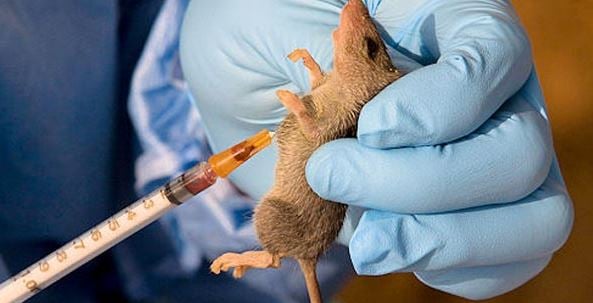
Lassa fever, transmitted primarily through contact with food or household items contaminated by infected rodents’ urine or feces, poses particular dangers to healthcare workers who treat patients without adequate protective equipment. The disease can also spread through direct contact with infected persons’ bodily fluids, putting medical staff at elevated risk during patient care.
Health authorities confirmed that the four deceased health workers contracted the disease while caring for Lassa fever patients in various healthcare facilities across the state. Their deaths highlight critical gaps in infection prevention and control measures that have long plagued Nigeria’s healthcare system, particularly in resource-constrained settings.
The Benue State Government has activated its emergency response protocols, establishing isolation centers to manage confirmed cases and prevent nosocomial transmission within healthcare facilities. The commissioner announced that the state is working closely with the Nigeria Centre for Disease Control (NCDC) and partners to contain the outbreak and prevent further casualties.
Medical personnel across affected facilities have been placed on high alert, with refresher training on Lassa fever case management and infection prevention being conducted urgently. However, health workers have expressed concerns about the adequacy of personal protective equipment (PPE) and the functionality of isolation facilities in some locations.
The state government has appealed to the federal government and international health organizations for support in combating the outbreak, including provision of diagnostic supplies, treatment medications like ribavirin, and PPE for healthcare workers. Officials stressed that rapid intervention is crucial to preventing the outbreak from escalating further.
Local government areas reporting confirmed or suspected cases have intensified public health education campaigns, urging residents to maintain proper food storage, eliminate rodent breeding sites around homes, and seek immediate medical attention if they develop symptoms such as fever, weakness, headache, or bleeding.
The NCDC has deployed a rapid response team to Benue State to support surveillance, laboratory confirmation, and case management efforts. The agency emphasized that early detection and prompt treatment significantly improve survival rates for Lassa fever patients.
Health experts have called for systemic improvements in Nigeria’s healthcare infrastructure to better protect medical workers during disease outbreaks. They argue that the recurring loss of healthcare professionals to preventable infections reflects inadequate investment in occupational health and safety measures.
The Nigeria Medical Association (NMA) has expressed condolences over the deaths of the four health workers while demanding urgent action to protect remaining medical personnel. The association called for immediate provision of adequate PPE, hazard allowances for health workers in affected areas, and compensation for families of deceased colleagues.
Community leaders in affected areas have been mobilized to support awareness campaigns and encourage residents to cooperate with health authorities’ containment measures. Traditional and religious leaders are being engaged to dispel myths about Lassa fever and promote evidence-based prevention practices.
As Benue State grapples with this outbreak, neighboring states have been placed on alert to strengthen surveillance and preparedness in case the disease crosses borders. The dry season, which typically sees increased Lassa fever cases due to rodent behavior patterns, adds urgency to containment efforts.
The state commissioner assured residents that the government is committed to controlling the outbreak and protecting both the public and healthcare workers. However, the deaths of four medical professionals serve as a somber reminder of the high price paid by those who serve on the frontlines of disease outbreaks in resource-limited settings.