The naira opened Tuesday’s trading cautiously stable against the US dollar, offering a brief respite to Nigerians still grappling with the lingering effects of one of the most turbulent currency episodes in the country’s economic history, even as analysts warn that a spiralling Middle East war could rapidly undo months of hard-won progress.
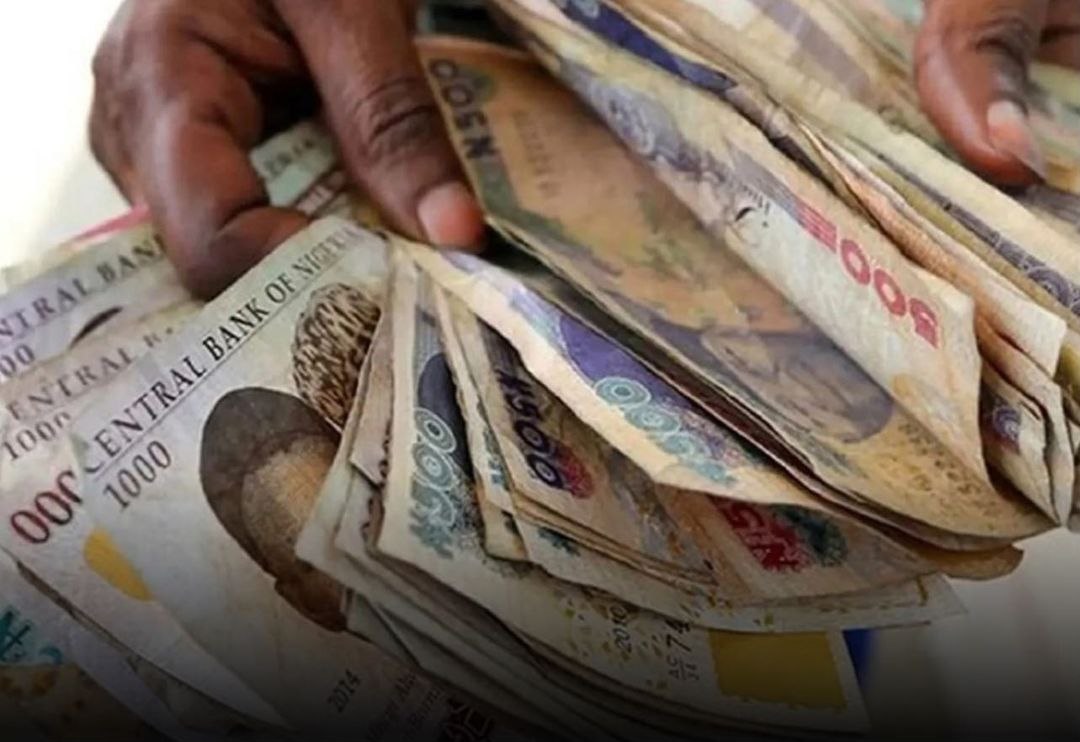
In the official Nigerian Foreign Exchange Market, the naira opened at ₦1,398.24 to the dollar before appreciating to ₦1,396.24 by mid-morning as supply from the CBN and authorised dealers met prevailing demand. In the parallel market, the dollar was being exchanged at between ₦1,405 and ₦1,415, with the spread between official and black market rates holding at an exceptionally narrow 1% to 1.5%, a far cry from the wide gaps that once characterised Nigeria’s dual exchange rate era.
Nigeria’s gross external reserves climbed to $46.8 billion as of early February, the highest level in eight years — providing import cover of approximately 14 months. This 18.9% increase from $38.88 billion a year earlier has been driven by higher oil exports, diaspora remittances and foreign portfolio inflows, all of which have eased pressure on the naira.
The stabilising currency has helped drag inflation down sharply. Nigeria’s annual inflation rate eased to 15.10% in January 2026, the lowest since November 2020 and the tenth consecutive monthly decline, driven by falling food prices for staples including garri, eggs, tomatoes, potatoes and vegetables. The CBN projects headline inflation will decelerate further to 12.94% by year-end, as earlier monetary tightening filters through the economy and supply-side pressures ease.
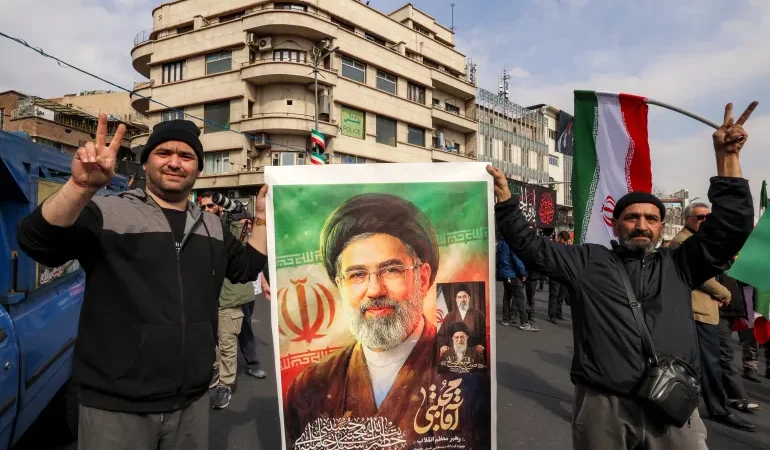
Despite these positive signals, the stability is fragile. Fuel prices across Nigeria jumped to as high as ₦937 per litre following the escalating US-Israel-Iran conflict, which sent global crude benchmarks surging. In Lagos and Abuja, some filling stations pushed pump prices toward the ₦975 mark, reflecting the immediate domestic impact of international airstrikes on the supply chain.
The Petroleum Products Retail Outlet Owners Association of Nigeria warned that if the crisis continues, the impact will extend beyond pump prices to affect foreign exchange stability, domestic fuel pricing structures, and overall inflation levels. Energy experts cautioned that if Brent crude sustains levels above $85 per barrel, petrol prices could cross the ₦1,000 threshold in the coming days.
For ordinary Nigerians, the picture remains mixed. A recent analysis showed that the total cost of a standard basket of grocery items has risen from ₦25,225 in 2020 to ₦147,050 in 2026 — a 582% increase, driven by the floating of the naira, rising food inflation, and soaring energy and transportation costs.
Analysts at investment houses such as Cordros Securities and CardinalStone Partners expect relative naira stability around ₦1,350–₦1,450 for most of 2026, though more conservative models warn that fiscal pressures and global uncertainties could push the currency toward ₦1,550. Billionaire investor Femi Otedola has gone further, suggesting the naira could trade below ₦1,000 if domestic refining capacity fully eliminates fuel imports.
For now, the naira’s cautious stability offers a narrow window of opportunity — but policymakers and households alike know it may not last if the Middle East crisis deepens further.