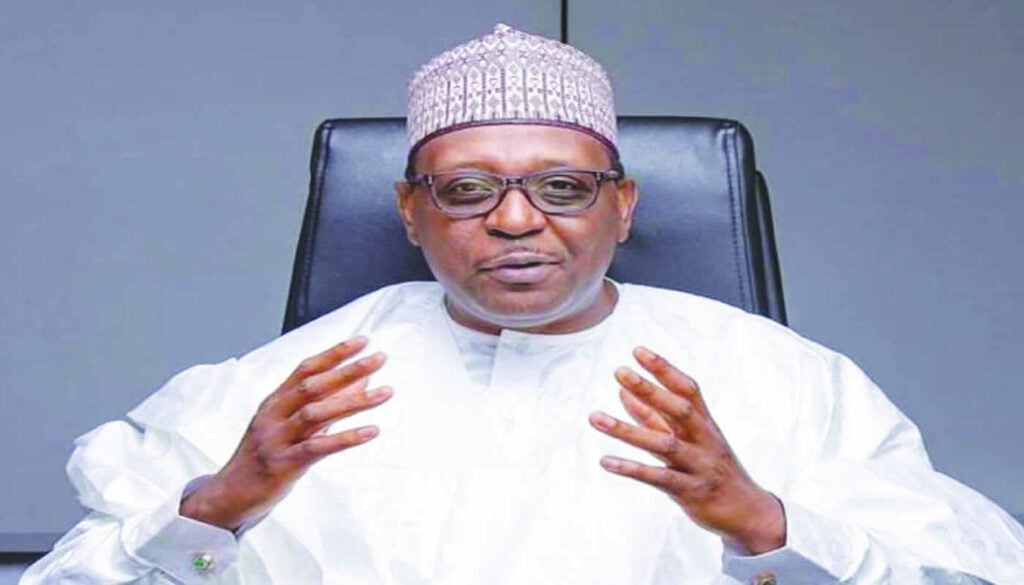
Nigeria’s Minister of Health has revealed a severe underfunding crisis in the health sector, disclosing that only N36 million has been released from the N218 billion capital budget allocated for health in 2025.
The stark revelation highlights the massive gap between budgetary allocations and actual fund releases, a chronic problem that has continued to undermine the development of Nigeria’s healthcare infrastructure and service delivery.
Speaking about the funding situation, the minister expressed concern that the minimal release is stalling critical health projects across the country and hampering the government’s ability to address pressing healthcare challenges. The N36 million represents a mere 0.017% of the total approved capital budget for the sector.
The underfunding has reportedly affected various planned initiatives, including the construction and renovation of healthcare facilities, procurement of medical equipment, training programs for healthcare workers, and other essential capital projects designed to strengthen the nation’s health system.
Impact Analysis
Infrastructure Development Paralyzed
The severe shortfall in fund releases has effectively paralyzed capital projects in the health sector. Hospitals and primary healthcare centers that were slated for construction or renovation remain on hold, depriving millions of Nigerians access to improved healthcare facilities. This is particularly devastating in rural areas where healthcare infrastructure is already inadequate.
Equipment Procurement Delayed
The inability to access budgeted funds means that critical medical equipment purchases have been postponed. Healthcare facilities across the country continue to operate with obsolete or malfunctioning equipment, compromising the quality of care and potentially endangering patient lives.
Healthcare Workforce Impact
Training and capacity-building programs for healthcare workers, which rely on capital budget funding, have been disrupted. This affects the sector’s ability to improve service quality and address the shortage of skilled medical personnel, particularly in underserved areas.
Economic Implications
The budget performance crisis extends beyond healthcare delivery to economic consequences. Contractors and suppliers who were engaged for various health projects face financial difficulties due to non-payment, potentially leading to job losses and economic hardship in related industries.
Public Health Risks
Perhaps most critically, the funding gap undermines Nigeria’s preparedness for health emergencies and its ability to combat endemic diseases. With limited resources, disease surveillance, immunization programs, and epidemic response capabilities remain weakened at a time when robust health systems are essential.
Credibility and Planning Concerns
The massive discrepancy between budgeted amounts and actual releases raises serious questions about the credibility of Nigeria’s budgeting process. It undermines planning efforts by health administrators who design programs based on approved budgets, only to find resources unavailable for implementation.
Maternal and Child Health
Programs targeting maternal and child mortality, which rely heavily on capital investments in facilities and equipment, are particularly vulnerable. Nigeria already has some of the worst maternal and child health indicators globally, and funding shortfalls will likely worsen these statistics.
The minister’s disclosure adds to growing concerns about budget implementation in Nigeria, where the gap between appropriation and release has become a recurring obstacle to development across multiple sectors. Without significant improvement in fund releases, the ambitious health sector goals outlined in the 2025 budget remain largely aspirational, leaving millions of Nigerians without the healthcare improvements they desperately need.