
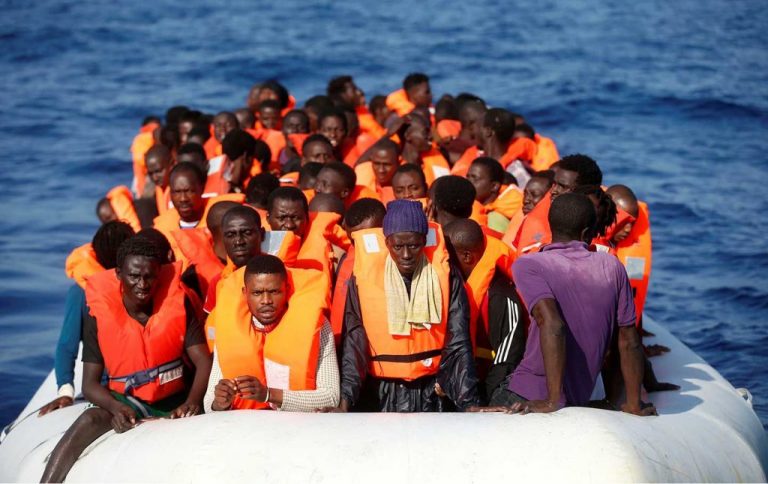
Three mass shipwrecks, a worsening humanitarian crisis in Ethiopia, and growing smuggling networks push 2025 toll to double that of the previous year
The perilous sea crossing from the Horn of Africa to the Arabian Peninsula claimed more lives in 2025 than at any point since records began, with the United Nations migration agency confirming 922 deaths or disappearances, a figure that has doubled in a single year and underscores the worsening human cost of irregular migration along one of the world’s most dangerous maritime routes.
The International Organisation for Migration (IOM) reported Wednesday that the number of migrants who died on the “Eastern Route” from the Horn of Africa to the Arabian Peninsula, doubled to a record high of 922 last year. “2025 was the deadliest year ever recorded on the Eastern migration route… with 922 people dead or missing, double the number from the previous year,” said Tanja Pacifico, head of mission for the IOM in Djibouti.
The previous year’s figure stood at 558, making the jump to 922 one of the sharpest single-year deteriorations since the IOM began systematically tracking deaths on the route.
Mass Shipwrecks Drive the Toll
Almost all those who died along this corridor in 2025 were Ethiopian nationals. Many perished in three separate mass shipwrecks, each of which claimed more than 180 lives.
Tens of thousands of migrants from Ethiopia, Somalia and neighbouring countries take the Eastern Route each year, mostly crossing from Djibouti to Yemen, in search of work as labourers or domestic workers in wealthy Gulf countries. The journey involves overcrowded, poorly equipped vessels navigating waters that are frequently rough and patrolled by armed actors — conditions that make it among the most lethal of any irregular migration pathway in the world.
Poverty and Conflict Push Ethiopians to Flee
The majority of victims were from Ethiopia, the second most populous country in Africa with more than 130 million people, which is plagued by multiple internal conflicts and deep poverty. Years of armed conflict, including the devastating war in Tigray, ongoing violence in Amhara and Oromia regions, and chronic drought, have displaced millions of Ethiopians internally, while pushing others to seek livelihoods abroad at almost any cost.
The IOM said the persistence of deaths reflects the growing reach of trafficking and migrant smuggling networks that exploit vulnerable people, exposing them to violence, abuse and life-threatening journeys.
A Global Crisis in Sharp Relief
The Red Sea deaths are part of a broader global picture that, while slightly lower than the previous year in overall terms, remains catastrophic. Globally, more than 7,600 migrant deaths were recorded in 2025, with Asia accounting for more than 3,000, making it the deadliest year on record for migrants in that region for the third consecutive year, driven largely by deaths of Afghans fleeing their country, with 1,540 reported dead.
Sea routes remained among the deadliest overall: at least 2,185 people died or went missing in the Mediterranean, while 1,214 were recorded along the Western Africa–Atlantic route toward Spain’s Canary Islands.
The IOM cautioned that the true toll is likely far higher, with at least 1,500 additional people reported missing at sea that could not be verified due to limited access to search-and-rescue information, what the agency described as evidence of “invisible shipwrecks.”
Calls for Urgent Action
The IOM urged governments to scale up coordinated search-and-rescue operations, strengthen international cooperation to dismantle criminal smuggling networks, and expand safe and regular migration pathways so that desperate people are not forced into life-threatening journeys.
For the families of the 922 who never reached their destination, those appeals come too late. For the tens of thousands expected to attempt the same crossing in 2026, they may be a matter of life and death.