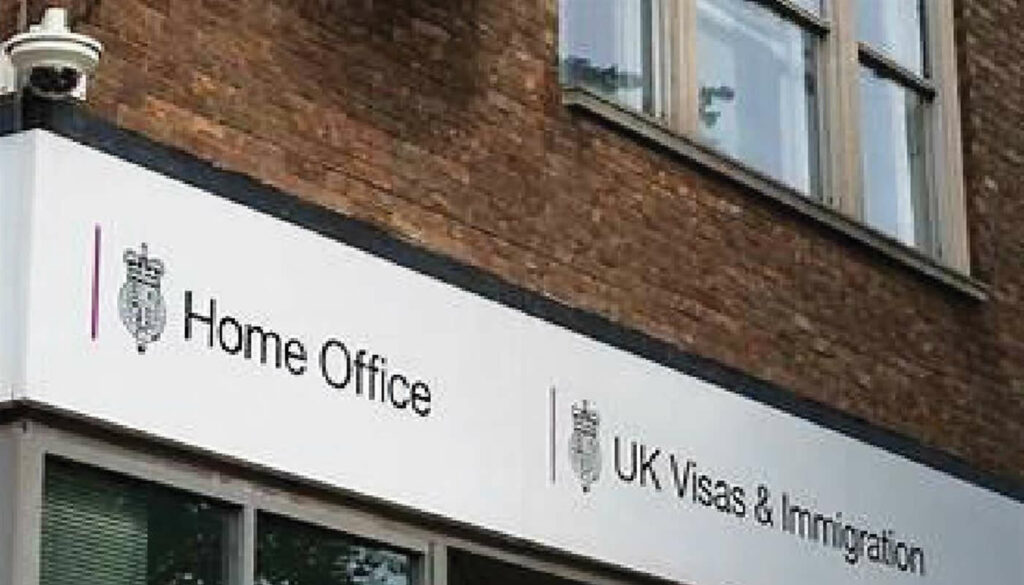
The United Kingdom has activated an unprecedented “emergency brake” on study visas for nationals of Afghanistan, Cameroon, Myanmar, and Sudan, while also halting skilled worker visas for Afghans, following a massive surge in asylum claims from people who entered through legal routes.
The Home Office will end sponsored study visas from all four countries and skilled worker visas for Afghan nationals. Asylum applications by students from Afghanistan, Cameroon, Myanmar and Sudan rocketed by over 470% between 2021 and 2025, making them among the most likely nationalities to claim.
Asylum claims from legal routes have more than trebled since 2021, making up 39% of the 100,000 people who applied last year. In total, 133,760 people have claimed asylum after arriving legally in the past five years.
Home Secretary Shabana Mahmood described the situation as visa abuse requiring unprecedented action. “Britain will always provide refuge to people fleeing war and persecution, but our visa system must not be abused,” Mahmood said. “That is why I am taking the unprecedented decision to refuse visas for those nationals seeking to exploit our generosity”.
The scale of the problem varies by country but is particularly acute for Afghanistan. Between 2021 and the year ending September 2025, the proportion of Afghan asylum claims relative to study visas issued reached 95 percent. Meanwhile, the number of Afghans on work visas claiming asylum is now outstripping the number of visas issued.
For Myanmar, the surge was even more dramatic. Applications by students from Myanmar rose sixteen-fold during that period, while claims from Cameroon and Sudan increased by more than 330 percen.
The visa brake will be introduced via an Immigration Rules change on 5 March 2026 and come into force on 26 March 2026.
The financial burden on taxpayers has been substantial. Asylum support currently costs more than £4 billion annually. Nearly 16,000 nationals from the four affected countries are supported at public expense, including over 6,000 accommodated in hotels.
Although the government has reduced student asylum claims by 20 percent over the course of 2025, further action is needed as those arriving on study visas still make up 13 percent of all claims in the system.
The UK government emphasized its continued commitment to humanitarian protection. Britain has offered sanctuary to over 37,000 Afghans via its two resettlement schemes since 2021, while 190,000 visas were granted on humanitarian routes in 2025. Between 2010 and 2025 the UK has resettled the sixth largest number of refugees referred by the UNCHR in the world.
The government has also pledged to open new capped safe and legal routes as an alternative to dangerous small boat crossings once order has been restored to the asylum system.
The announcement coincides with broader asylum reforms taking effect this week. Under new rules, refugee status for adults will be reviewed every 30 months, replacing the previous five-year grants that led to indefinite leave to remain.
Migration has become a major issue in UK politics with the hard-right Reform UK surging in opinion polls with its anti-immigration stance, putting pressure on Prime Minister Keir Starmer’s government to demonstrate tougher border controls.
The unprecedented visa restrictions mark the first time the UK has used such an “emergency brake” mechanism, signaling a fundamental shift in how Britain manages the intersection between its international student market and asylum system.