
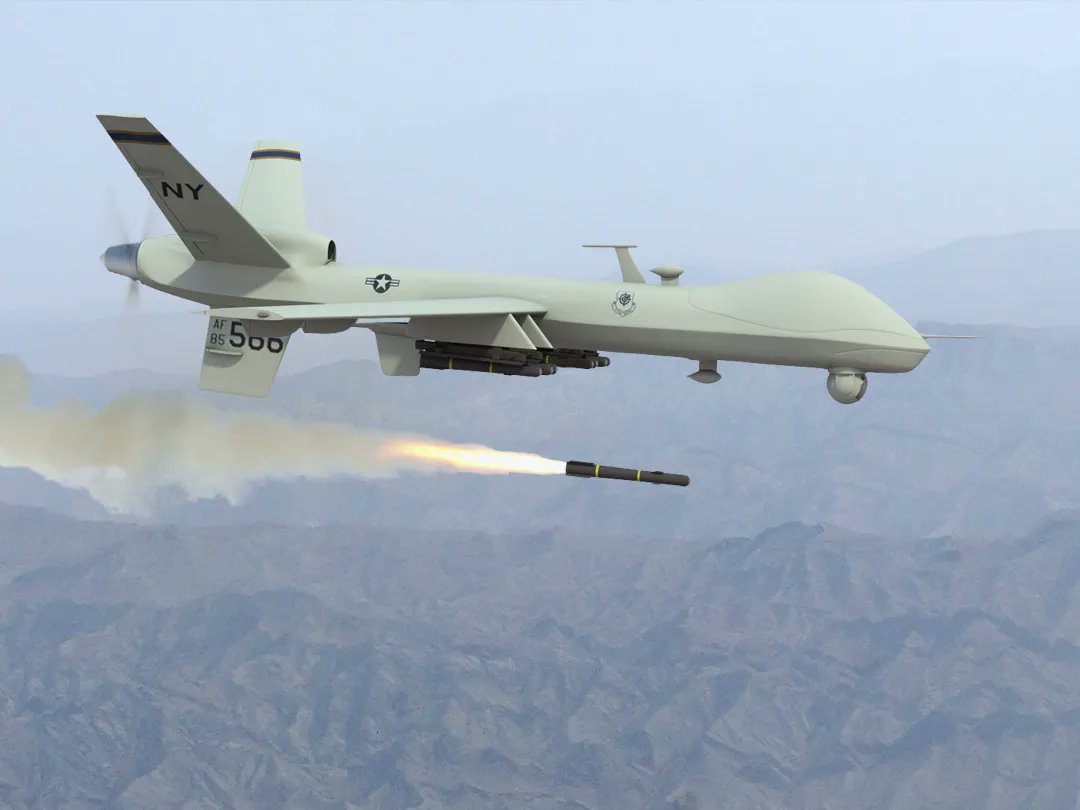
Widespread condemnation has followed a military airstrike that struck a crowded weekly market in Jilli, a border community between Yobe and Borno states, raising fresh concerns over civilian safety in Nigeria’s counterinsurgency operations.
The strike, which occurred on Saturday, April 11, 2026, is being described by rights groups as one of the deadliest accidental bombings in recent years. While the Nigerian Air Force initially characterized the mission as a precision operation targeting a terrorist logistics hub, survivors and local residents say the attack hit civilians, including traders and families gathered at the market.
Authorities stated that the strike was based on intelligence indicating that fighters linked to Islamic State West Africa Province were operating within the area. However, eyewitnesses have strongly disputed that claim, insisting those killed were non-combatants.
Casualty figures remain unclear and contested. A United Nations report estimated at least 56 deaths, while Amnesty International Nigeria and local leaders warn the toll could be significantly higher, with some estimates approaching 200, including women and children.
Residents recount scenes of devastation, with families torn apart and many victims unaccounted for in the aftermath of the explosion.
The incident has intensified scrutiny of Nigeria’s military tactics in the fight against insurgency. Analysts and advocacy groups argue that the Jilli strike reflects a broader pattern of misdirected air operations that have increasingly resulted in civilian casualties.
Recent incidents have raised similar concerns, including a 2025 strike in Zamfara that killed civilians mistaken for armed groups, and a 2023 bombing in Kaduna during a religious gathering that left dozens dead.
Experts point to gaps in intelligence gathering and surveillance capabilities, warning that insurgent groups embedded within civilian populations make accurate targeting more difficult, increasing the risk of fatal errors.
In response to the backlash, the Nigerian Air Force has announced an internal review to determine whether the strike affected civilians. However, rights groups are demanding a more transparent and independent investigation.
Amnesty International Nigeria has called for accountability, accusing authorities of failing to adequately safeguard civilian lives during military operations.
Hospitals in nearby towns, including Geidam and Maiduguri, are reportedly overwhelmed with victims suffering from burns and blast injuries. The attack has deepened fears among residents in conflict-affected areas, many of whom say they feel increasingly vulnerable despite ongoing military operations.
The Jilli incident has reignited debate over Nigeria’s security strategy, with critics warning that repeated civilian casualties risk eroding public trust and undermining efforts to combat insurgent groups in the region.