Ghana is days away from tabling one of the most consequential resolutions in the history of the United Nations, a formal declaration that the transatlantic slave trade constitutes the gravest crime against humanity ever committed, a move its proponents say could reshape the global conversation on reparatory justice for generations to come.
The resolution is scheduled for consideration and adoption by the UN General Assembly on March 25, 2026, a date observed globally as the International Day of Remembrance of the Victims of Slavery and the Transatlantic Slave Trade. Ghana is spearheading the initiative in its capacity as African Union Champion on Reparations, working in collaboration with the African Union, CARICOM, and people of African descent worldwide.
The draft resolution carries a full title of Declaration of the Trafficking of Enslaved Africans and Racialised Chattel Enslavement of Africans as the Gravest Crime Against Humanity. If adopted, it would be the first comprehensive UN resolution on slavery and the transatlantic slave trade in the organisation’s 80-year history.
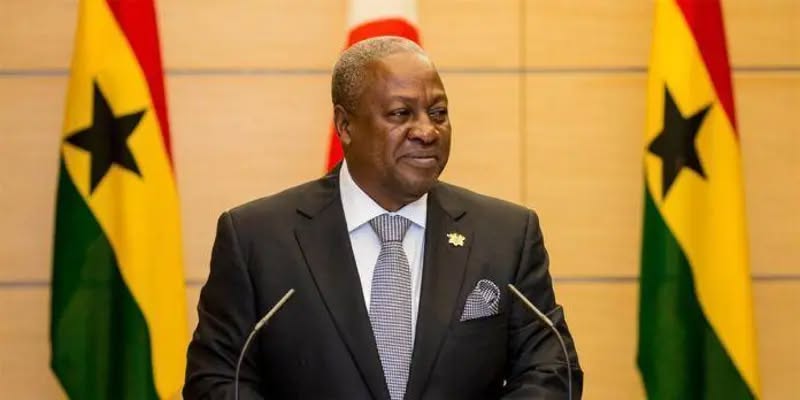
President John Dramani Mahama, who first announced the initiative during his address at the 80th Session of the UN General Assembly last September, has framed the effort as a matter of both moral clarity and legal necessity. “This is not symbolic diplomacy. It’s a necessary moral clarification of history,” he said, adding: “Reparatory justice will not be handed to us. Like independence, it must be secured through unity and determination.”
Ghana’s Ministry of Foreign Affairs described the resolution’s significance in sweeping terms, stating that naming the slave trade as a crime against humanity “is not only symbolic but the beginning of a reckoning with the structural inequalities that underpin debt asymmetries, development gaps, climate vulnerability and global financial governance.”
The draft resolution rests on three core pillars described by President Mahama as “historical accuracy, legal defensibility, and continental and diaspora alignment.” United Nations records indicate that the transatlantic slave trade, which spanned approximately 400 years, forcibly removed more than 15 million African men, women and children to the Americas, the Caribbean, and Europe.
Support for the initiative has been building steadily. The Pan-African Lawyers Union has thrown its full weight behind the proposal, describing the moment as historic for Africa and its diaspora. Diplomats and legal advocates say its adoption would mark a significant shift in global discourse on historical accountability and reparatory justice.
The legal groundwork for such a declaration stretches back decades. A major milestone came in 2001 at the World Conference against Racism in Durban, South Africa, where a UN-sponsored resolution stated for the first time that the transatlantic slave trade was a crime against humanity and should always have been. Ghana’s resolution seeks to build on that moral foundation with binding international legal force.
Ghana’s Foreign Ministry acknowledged that while the resolution is expected to gain broad support from many UN member states, resistance is likely from some European nations. The financial stakes of any reparations framework that could follow such recognition are enormous. A 2023 report by the Brattle Group calculated that 31 former slave-owning nations owe a combined total of over $100 trillion in reparations, a figure derived from assessing the unpaid labour of millions of people across several centuries.
Ahead of the formal tabling, a solemn wreath-laying ceremony is scheduled at the African Burial Ground in New York on March 24, followed by a high-level event on reparatory justice at the UN headquarters the same day.
Ghana has made clear that adoption of the resolution is not an endpoint. The country intends to continue advancing multilateral reparations efforts within the framework of the African Union’s Decade of Action on Reparations and African Heritage, which runs from 2026 to 2036. As Mahama told fellow African leaders in Addis Ababa: “Adoption is not the end. This is about sustained dialogue on reparatory justice and healing.”