
Despite recent signs of economic stabilization and international recognition for Nigeria’s monetary reforms, many Nigerians continue to struggle with soaring food prices, transportation costs, and declining purchasing power.
The growing disconnect between improving macroeconomic indicators and everyday living conditions has sparked renewed debate over whether the country’s economic reforms are translating into meaningful relief for ordinary citizens.
On Tuesday, the Naira traded at an average of ₦1,358 to the dollar at the official foreign exchange market, reflecting relative stability compared to the volatility witnessed in previous months. The narrowing gap between the official and parallel market exchange rates has been widely credited to reforms introduced by the Central Bank of Nigeria under Governor Olayemi Cardoso.
The apex bank was recently recognised internationally for its efforts in clearing foreign exchange backlogs and tightening monetary policy aimed at restoring investor confidence and reducing market distortions.
However, while economists and financial institutions point to these improvements as evidence of recovery, many Nigerians say the impact has yet to be felt at household level.
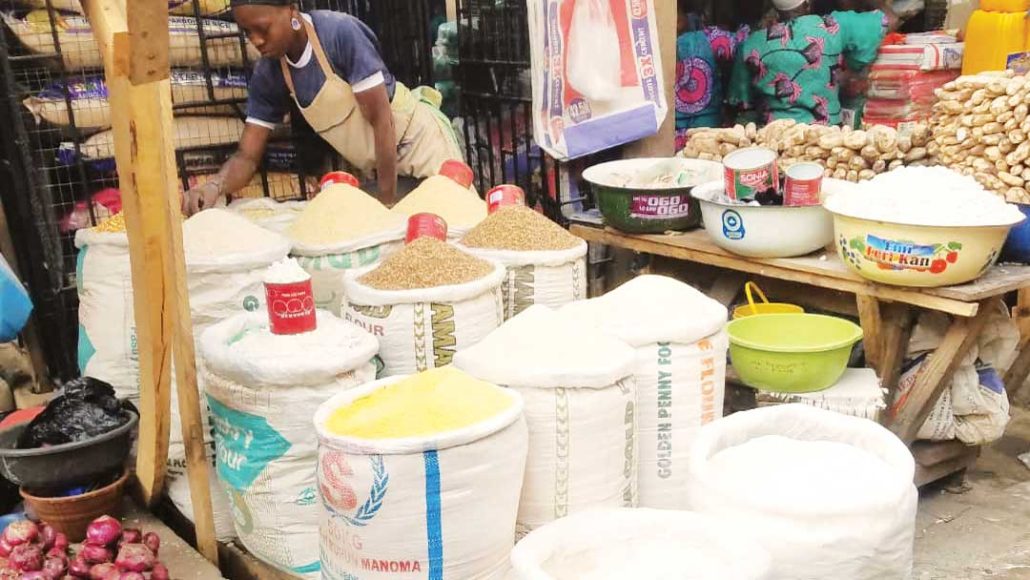
Across major markets in Lagos and other urban centres, traders and consumers continue to grapple with rising prices of food staples, transportation fares, and energy-related expenses.
According to recent figures released by the National Bureau of Statistics, inflation rose to 15.38 percent in March 2026, driven largely by increases in food and transport costs.
Food inflation reportedly remains above 14 percent, while transport expenses have continued to rise amid higher fuel prices and logistics challenges.
“The exchange rate may be improving, but transporting goods from northern Nigeria is still extremely expensive,” said a Lagos-based food wholesaler. “Everything from rice to vegetables now costs more because fuel and transportation costs keep increasing.”
Economic analysts say several structural challenges are preventing recent monetary gains from translating into lower consumer prices.
Among the factors cited are insecurity affecting farming communities, high energy costs, weak transportation infrastructure, and the delayed impact of currency stabilization on retail markets.
Experts also note that many businesses imported goods when the Naira was significantly weaker, forcing them to maintain high prices to avoid losses despite recent currency improvements.
Analysts warn that unless productivity improves in sectors such as agriculture, power, and transportation, many households may continue to experience hardship despite positive economic indicators.
The Central Bank has projected that inflation could ease further before the end of the year as its reform policies enter what officials describe as a “consolidation phase.”
However, for millions of Nigerians already spending a large portion of their income on food and transportation, the success of economic reforms is increasingly being measured by affordability rather than financial statistics.
Economist Segun Sopitan said stabilizing the Naira alone would not solve the broader economic challenges facing the country.
“The next phase must focus on structural reforms that directly improve production, reduce logistics costs, and strengthen food supply chains,” he said. “People need to see the impact of reforms in the market, not just in economic reports.”
As Nigeria continues its economic recovery efforts, the Federal Government faces growing pressure to ensure that improvements in fiscal and monetary indicators translate into visible reductions in the cost of living for ordinary citizens.