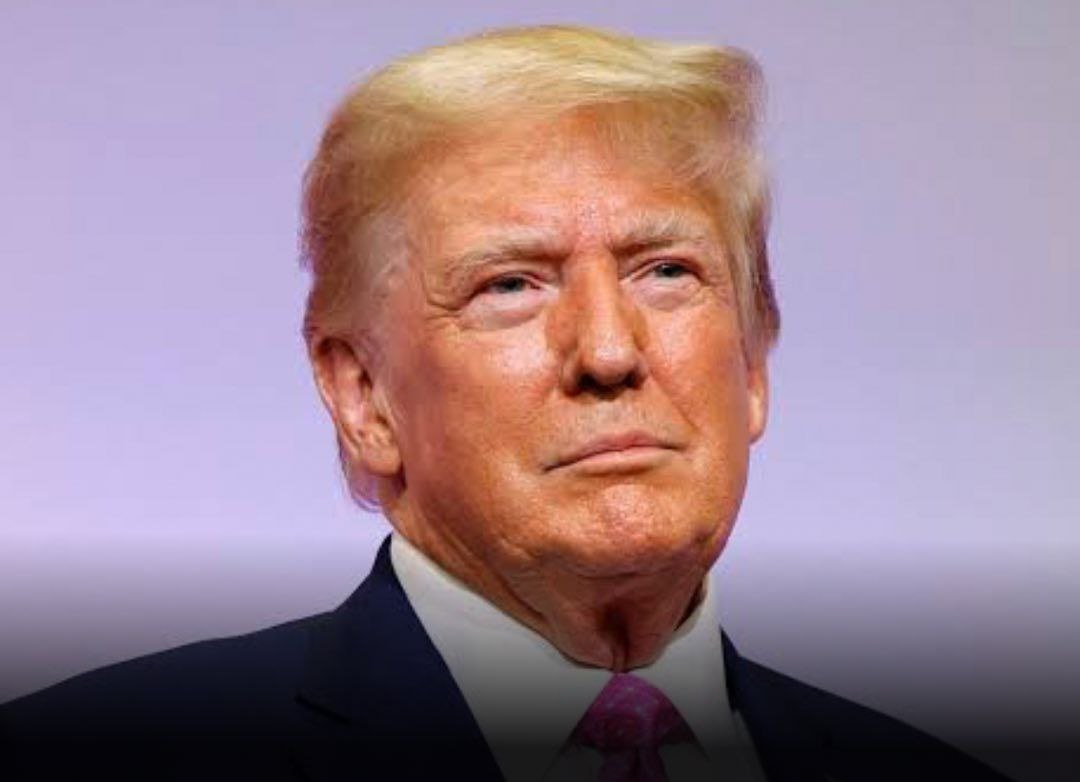
United States President Donald J. Trump has announced that a joint military operation involving U.S. forces and the Nigerian Armed Forces has killed Abu-Bilal al-Minuki, described as the second-in-command of the Islamic State (ISIS) global network.
The announcement, made late in Washington, was immediately framed by the White House as a major counter-terrorism breakthrough in the Sahel region, where extremist groups have continued to exploit security gaps across several West African states.
According to Trump, the operation was conducted as a “highly complex, intelligence-driven mission” carried out with precision and coordination between both countries’ special forces.
“Tonight, at my direction, brave American forces and the Armed Forces of Nigeria flawlessly executed a meticulously planned and very complex mission,” Trump said. “Abu-Bilal al-Minuki, second in command of ISIS globally, thought he could hide in Africa, but we had sources tracking his movements.”
Neither the White House nor Nigeria’s Defence Headquarters disclosed the exact location of the operation, citing ongoing security concerns. However, security officials indicated that the strike relied on advanced surveillance and precision targeting support.
U.S. officials also emphasized that Nigeria played a central role in the mission, describing Abuja as a “key strategic partner” in the broader counter-terrorism campaign across the Sahel and Lake Chad Basin.
Abu-Bilal al-Minuki, a Nigerian national, had previously been designated a “Specially Designated Global Terrorist” by the United States in 2023. According to U.S. security records, he was part of ISIS’s General Directorate of Provinces, an internal structure responsible for coordinating logistics, funding channels, and operational directives for ISIS affiliates across multiple regions.
Intelligence assessments had long identified him as a key figure in maintaining financial and administrative links between ISIS cells operating in Africa and the Middle East.
The operation comes amid expanding security cooperation between Washington and Abuja. In recent months, the United States has increased intelligence-sharing, training support, and drone surveillance assistance for Nigerian forces operating in the volatile Lake Chad Basin, though officials maintain that U.S. personnel are not engaged in direct combat roles.
Security analysts say the reported killing of al-Minuki could temporarily disrupt ISIS-linked networks in West Africa, particularly those reliant on cross-border funding and coordination structures. However, they caution that militant groups in the region have historically proven resilient, often reorganising quickly after leadership losses.
Trump described the outcome as a significant setback for the group’s global operations.
“He will no longer terrorize the people of Africa, or help plan operations against Americans,” he said. “With his removal, ISIS’s global operation is greatly diminished.”
As of press time, Nigerian authorities had not issued a separate detailed statement confirming operational specifics, while independent verification of the incident remains ongoing.