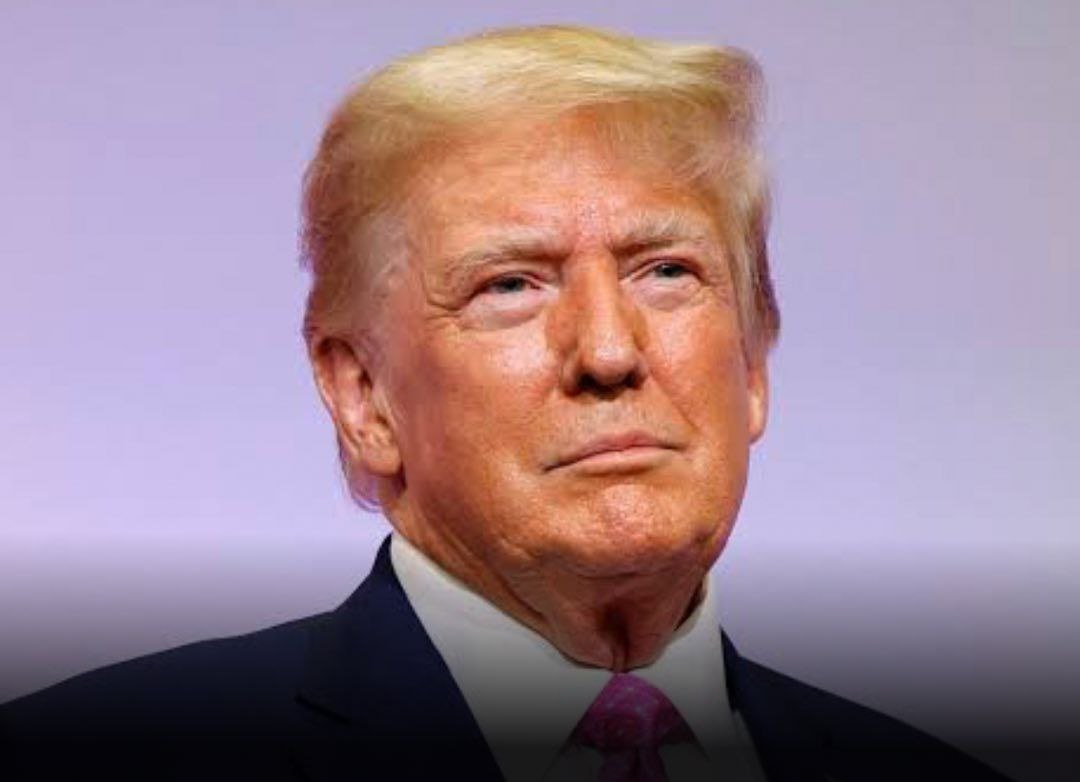
U.S. President Donald Trump has sparked widespread international criticism after claiming that revenues generated from Venezuelan oil operations have more than covered the enormous financial cost of the ongoing U.S.-led military campaign in Iran.
Speaking during a public address on Friday, Trump defended his administration’s aggressive foreign policy posture by declaring that American access to Venezuelan crude had effectively financed the war effort against Iran several times over.
“How did we do in Venezuela? Not bad,” Trump said during the speech. “We’ve taken out so much oil in Venezuela, we paid for the cost of the war about 25 times over.”
The remarks immediately drew condemnation from political analysts, human rights advocates, and foreign policy observers, many of whom accused the administration of openly treating foreign military intervention as a resource-driven operation.
The controversy comes as the U.S.-Israeli military campaign in Iran enters its 12th week with no clear resolution in sight. The operation, launched in late February under the codename Operation Epic Fury, initially achieved several high-profile military objectives, including major strikes on Iranian strategic infrastructure and the reported assassination of Iran’s Supreme Leader, Ayatollah Ali Khamenei.
However, despite early battlefield gains, the conflict has evolved into a prolonged regional confrontation marked by retaliatory missile attacks, instability across Middle Eastern trade corridors, and mounting pressure on global energy markets.
Efforts to broker a lasting ceasefire have repeatedly stalled, despite temporary diplomatic interventions led by regional actors, including Pakistan. Analysts say Washington’s broader objectives — including regime transition in Tehran and the dismantling of Iran’s nuclear capabilities — remain far from accomplished.
Trump’s latest comments have also reignited scrutiny over the U.S. intervention in Venezuela earlier this year. In January 2026, American forces carried out a rapid military operation that resulted in the arrest of Venezuelan President Nicolás Maduro, who was subsequently transported to New York to face federal narcotics and terrorism-related charges.
The White House initially framed the operation as a democratic liberation mission designed to restore political freedom in Venezuela. But critics argue that the post-intervention arrangement has prioritized energy extraction and economic interests over democratic reforms.
Following Maduro’s removal, Vice President Delcy Rodríguez remained in power under a transitional framework backed by Washington. In April, Venezuelan authorities approved emergency legislation allowing major Western energy corporations to expand crude oil extraction, transportation, and refining activities inside the country.
Human rights organizations and regional observers argue that the promised political transformation in Venezuela has failed to materialize, with many of the country’s existing security and power structures remaining intact.
The Pentagon recently estimated the direct operational cost of the Iran campaign at roughly $29 billion, though independent analysts believe the wider economic fallout across the Middle East could be significantly higher.
Trump’s assertion that Venezuelan oil profits have effectively funded the war has intensified accusations that the United States is placing strategic resource interests ahead of the democratic and humanitarian principles it publicly claims to defend.