
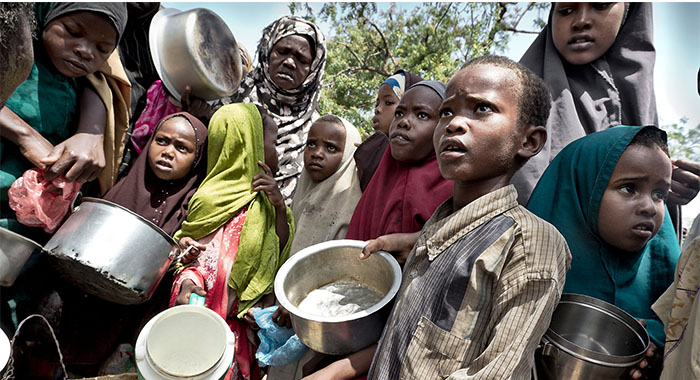
The United Nations has warned that about 35 million Nigerians could face acute food insecurity during the 2026 lean season, raising concerns over worsening hunger levels driven by insecurity, inflation, and climate-related disruptions.
The warning was contained in recent humanitarian assessments released by the UN and partner agencies ahead of the annual lean season, the period between planting and harvests when food supplies are typically at their lowest.
According to the UN Office for the Coordination of Humanitarian Affairs (OCHA), the crisis is expected to intensify between June and August, particularly across conflict-affected northern states where millions of households are already struggling with rising food prices and reduced agricultural production.
Humanitarian officials said the situation could become one of the most severe food crises globally if urgent interventions are not implemented.
The UN noted that insecurity linked to armed groups, banditry, and displacement has significantly disrupted farming activities in parts of the North-East and North-West, worsening food shortages in rural communities.
Flooding, erratic rainfall, and economic pressures have also weakened local food systems and increased the cost of basic commodities nationwide.
Particularly alarming, the report said, is the growing threat to children. Humanitarian agencies estimate that approximately 6.4 million children in northern Nigeria may suffer acute malnutrition in 2026 without immediate nutritional support and healthcare interventions.
Aid agencies warned that severe malnutrition could expose children to increased risks of disease outbreaks and preventable deaths.
The UN said many vulnerable households are already resorting to harmful coping mechanisms to survive, including reducing meal portions, selling productive assets, and withdrawing children from school.
Humanitarian officials cautioned that prolonged food insecurity could deepen poverty levels and create long-term social and economic consequences, especially for displaced and low-income families.
“If assistance is delayed further, vulnerable households may be forced into increasingly severe survival strategies,” humanitarian agencies said in the assessment.
The UN and its partners said Nigeria’s 2026 Humanitarian Needs and Response Plan requires approximately $516 million to support emergency food assistance, nutrition services, healthcare, water supply, and agricultural recovery programmes.
However, officials disclosed that less than half of the required funding has been received, leaving a major financing gap that could limit life-saving operations during the peak hunger period.
Humanitarian agencies are appealing to international donors, governments, and private organizations to provide urgent support before conditions deteriorate further.
Nigeria has faced recurring food security challenges in recent years due to insecurity, economic instability, inflation, and climate shocks affecting farming communities across several regions.