
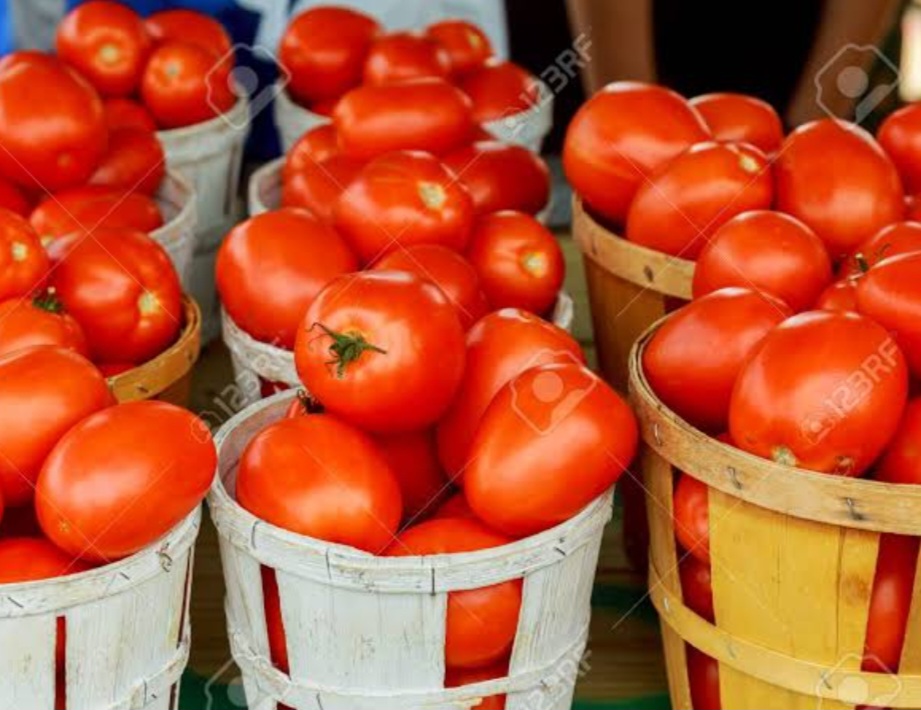
A market survey conducted in several parts of the city revealed that the cost of tomatoes has risen significantly in recent weeks, placing additional pressure on consumers already grappling with the high cost of living. Traders and agricultural stakeholders attribute the surge to a combination of seasonal scarcity, rising transportation expenses, and substantial post-harvest losses.
At popular markets including Wuse, Garki, Utako, and Nyanya, buyers reported spending considerably more on tomatoes than they did just a few months ago. A basket of tomatoes that previously sold for moderate prices now commands significantly higher rates, forcing many households to reduce consumption or seek alternatives.
“I used to buy enough tomatoes for my family’s meals for the week, but now I can barely afford half of what I used to purchase,” said a resident shopping at Wuse Market. “The continuous increase in food prices is making life difficult for ordinary Nigerians.”
Food vendors and restaurant operators have also been affected by the price hike. Some operators disclosed that they have been compelled to increase the prices of meals or reduce portion sizes to cope with the escalating cost of ingredients.
According to traders, the current shortage is largely seasonal. During certain periods of the year, tomato production declines due to weather conditions and reduced harvests in major producing states across northern Nigeria. The limited supply often results in higher market prices.
“The quantity of tomatoes coming into Abuja has reduced compared to previous months,” said a tomato wholesaler at Garki Market. “When supply drops and demand remains high, prices naturally go up.”
Beyond seasonal factors, transportation costs have emerged as another major contributor to the rising prices. Farmers and distributors say the cost of moving produce from farming communities to urban markets has increased due to higher fuel prices and logistical challenges. These additional expenses are eventually passed on to consumers.
Agricultural experts have also pointed to post-harvest losses as a significant challenge affecting tomato availability. Due to inadequate storage facilities, poor road infrastructure, and limited access to modern preservation technologies, a substantial portion of harvested tomatoes spoil before reaching markets.
Industry analysts note that Nigeria loses a considerable percentage of its tomato harvest annually because of weak storage and transportation systems. These losses reduce market supply and contribute to recurring price spikes.
Residents have called on relevant authorities to implement measures aimed at improving food distribution networks, supporting farmers, and investing in storage facilities to minimize wastage. They argue that addressing these structural challenges would help stabilize prices and ensure a more consistent supply of tomatoes throughout the year.
As households continue to feel the impact of rising food costs, many consumers hope that increased harvests in the coming months will ease supply constraints and bring some relief to markets across the Federal Capital Territory.
For now, however, Abuja residents remain burdened by the soaring cost of one of the country’s most widely consumed food ingredients, highlighting broader concerns about food affordability and inflation in Nigeria.