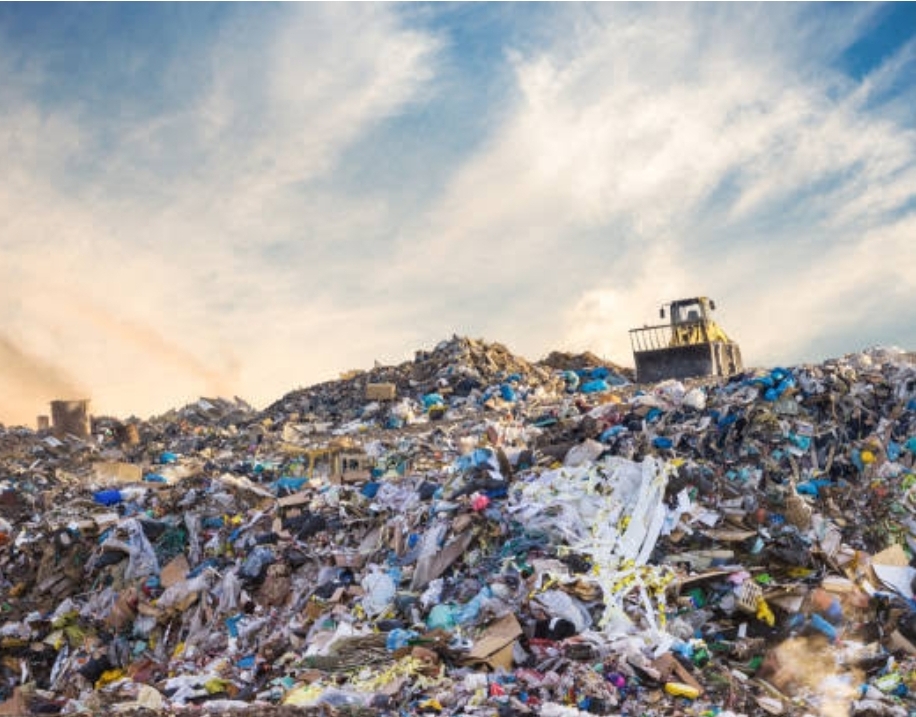
Lagos State Governor, Babajide Sanwo-Olu, has directed the state Ministry of the Environment and Water Resources, alongside relevant agencies and waste management operators, to intensify refuse evacuation efforts across the state following growing concerns over heaps of waste littering roads, street corners, and residential communities.
The governor’s directive comes amid complaints from residents and commuters over the increasing presence of uncollected refuse in several parts of the commercial capital, raising environmental and public health concerns.
According to the state government, agencies responsible for waste management have been instructed to operate on a round-the-clock basis to clear the backlog of refuse and restore cleanliness across affected areas.
Sanwo-Olu said the state government was fully aware of the challenges posed by the accumulation of waste in parts of Lagos and had taken immediate steps to accelerate evacuation operations.
The governor directed the Ministry of the Environment and Water Resources, waste management authorities, and private service providers to increase operational capacity and deploy additional resources to tackle the situation.
The intensified exercise is expected to cover major roads, highways, markets, residential districts, and other public spaces where refuse accumulation has become noticeable.
Officials said the operation would continue until all identified waste blackspots are cleared and normal evacuation schedules are restored.
Environmental experts have warned that prolonged accumulation of refuse can create serious public health risks, including the spread of diseases, blockage of drainage channels, and increased environmental pollution.
The onset of the rainy season has heightened concerns, with stakeholders warning that clogged drains caused by indiscriminate waste disposal could worsen flooding in vulnerable communities.
Residents in several parts of the state have recently expressed frustration over overflowing refuse points, urging authorities to take urgent action to address the situation.
Some community leaders noted that delayed waste evacuation not only affects the environment but also impacts the overall quality of life and public perception of the city.
As part of the governor’s directive, waste management agencies and service providers have been instructed to sustain operations throughout the day and night to accelerate the removal of accumulated waste.
Government officials said monitoring teams would also be deployed to ensure compliance with the directive and assess the effectiveness of ongoing evacuation efforts.
The administration reiterated its commitment to maintaining a clean and sustainable environment, stressing that environmental sanitation remains a key component of its development agenda.
While announcing the intensified clean-up exercise, the state government also appealed to residents to support ongoing efforts by disposing of waste responsibly and adhering to environmental regulations.
Authorities urged citizens to patronize approved waste operators and avoid dumping refuse in drains, road medians, open spaces, and other unauthorized locations.
Environmental advocates have long argued that effective waste management requires collaboration between government agencies, private operators, and residents.
The latest intervention underscores the government’s determination to tackle environmental challenges in Africa’s most populous city, where rapid urbanization and population growth continue to place pressure on waste management infrastructure.
Analysts say sustained investment in waste collection, recycling initiatives, transfer loading stations, and landfill management will be crucial to addressing long term sanitation challenges in the state.
For now, residents are expected to see increased waste evacuation activities across Lagos as authorities implement the governor’s directive to clear refuse heaps and improve environmental conditions throughout the metropolis.
The state government expressed confidence that the round-the-clock operation would significantly reduce the backlog of waste and help restore cleanliness across communities, reinforcing Lagos’ status as one of Nigeria’s leading economic and commercial hubs.