
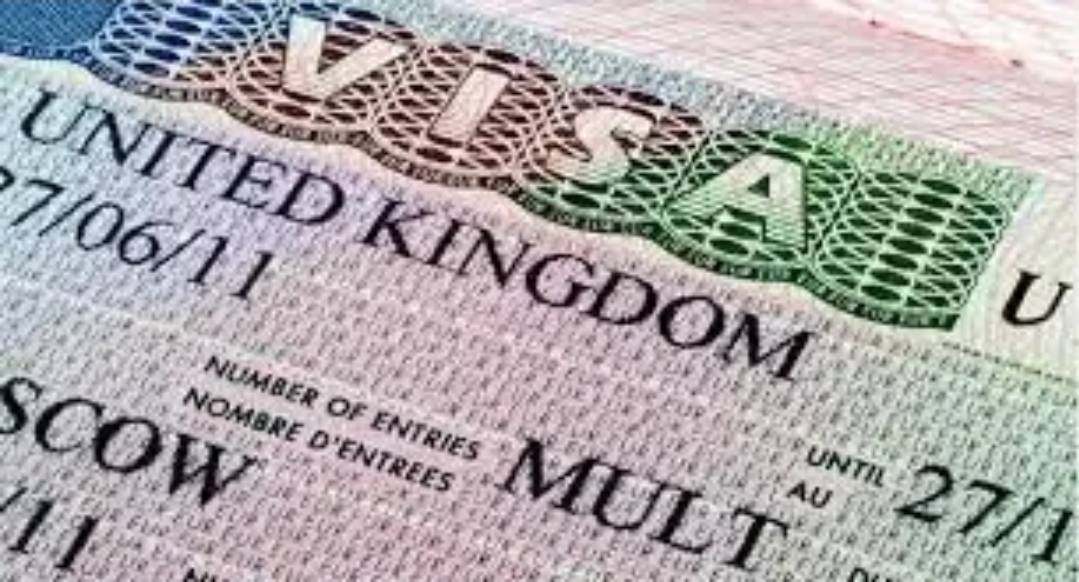
More than 1.34 million Nigerians have been refused visas to the United Kingdom over the past 21 years, according to official immigration data, placing Nigeria among the countries with the highest number of UK visa rejections globally.
The figures, which cover the period from 2005 to 2026, show that Nigerian applicants accounted for approximately 1.34 million visa refusals, ranking the country second worldwide in terms of the total number of rejected applications during the period under review.
The data highlights the growing demand among Nigerians seeking to travel to the United Kingdom for education, employment, business, tourism and family-related purposes, while also reflecting the stringent scrutiny applied to visa applications by British immigration authorities.
Although the statistics reveal the number of refused applications, they do not suggest that all Nigerian applicants were unsuccessful. Each year, hundreds of thousands of Nigerians also receive UK visas, making Nigeria one of the United Kingdom’s largest sources of international students, skilled workers and visitors.
Immigration experts note that visa refusals are often linked to applicants’ inability to satisfy the requirements set out under the UK’s immigration rules. Common reasons include insufficient financial evidence, incomplete documentation, inconsistencies in application details, failure to demonstrate strong ties to the home country, or concerns that an applicant may not leave the UK before the expiration of their visa.
In recent years, the UK government has continued to tighten aspects of its immigration policies, introducing stricter rules affecting students, dependants, skilled workers and visitors as part of broader efforts to reduce net migration and strengthen border controls.
The latest figures have renewed discussions among migration experts, education consultants and prospective travellers about the importance of submitting accurate and well-documented visa applications.
They advise applicants to carefully review eligibility requirements, provide genuine supporting documents, clearly explain the purpose of travel and ensure that all information supplied during the application process is truthful and consistent.
The data also underscores the strong migration ties between Nigeria and the United Kingdom. Thousands of Nigerians continue to relocate annually for higher education, professional opportunities, investment, healthcare and family reunification, contributing significantly to cultural, educational and economic exchanges between the two countries.
Analysts say the high number of visa refusals should be viewed alongside the equally large volume of applications submitted by Nigerians over the years. They argue that while refusal figures provide insight into immigration trends, approval rates and the overall number of successful applications are equally important in understanding the full picture of UK-Nigeria migration.
As interest in relocating to the United Kingdom remains high, immigration advisers continue to encourage prospective applicants to familiarise themselves with current visa requirements and ensure full compliance with British immigration regulations to improve their chances of success.