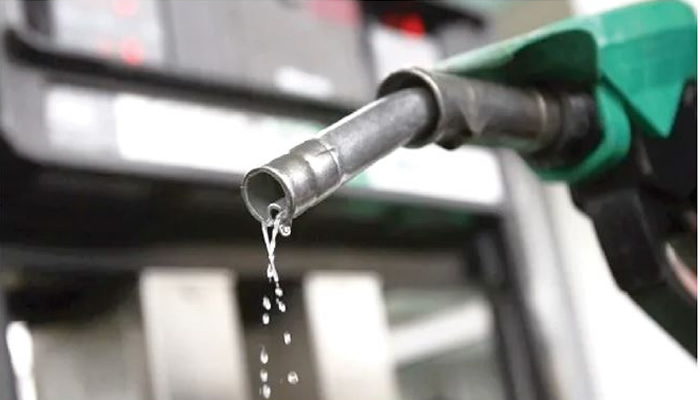
The Dangote Petroleum Refinery and major petroleum marketers are poised to cut petrol depot prices amid mounting pressure from the Federal Government to stabilise Nigeria’s downstream oil sector. The planned reductions are expected to ease fuel price pressures and could lead to lower pump prices nationwide if sustained.
The latest price adjustments come amid growing competition among fuel suppliers and renewed government pressure aimed at ensuring that the benefits of falling international crude oil prices and improved domestic supply are reflected in the local market.
Industry sources said the reductions were announced at various depots across the country, with marketers adjusting ex-depot prices to remain competitive and attract bulk buyers. The move is expected to trigger corresponding reductions in pump prices by independent and retail fuel stations in the coming days, although the extent of the decrease will depend on transportation costs and retailers’ operating expenses.
The development follows weeks of fluctuations in petrol prices, driven by changes in global crude oil prices, exchange rate movements, logistics costs and increased competition following the commencement of large-scale fuel production by the Dangote Refinery.
Analysts say the entry of the Dangote Refinery into Nigeria’s fuel supply chain has significantly altered the competitive landscape, compelling importers and depot owners to review their pricing strategies more frequently.
The refinery, with a capacity of 650,000 barrels per day, has increasingly supplied petrol to marketers nationwide, reducing dependence on imported refined products and encouraging price competition among industry operators.
Major marketers are believed to have responded by lowering their depot prices in a bid to maintain market share as more buyers source products from domestic refiners.
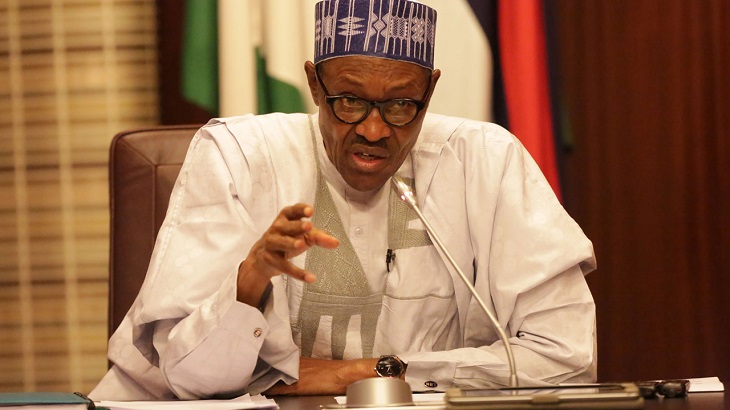
The Federal Government has repeatedly urged operators in the downstream sector to ensure that consumers benefit from improved local refining capacity and prevailing market conditions.
Officials have maintained that the deregulated market should promote healthy competition capable of delivering fair prices to consumers without compromising product availability.
The government has also continued engagements with key stakeholders in the petroleum industry to address issues affecting pricing, distribution and supply, particularly as Nigerians grapple with the high cost of transportation and living.
Industry observers note that while the government no longer fixes petrol prices under the deregulation regime, it continues to monitor market trends and encourage transparent pricing practices.
The reduction in depot prices is expected to provide some relief for fuel marketers and retailers, many of whom have struggled with fluctuating wholesale costs in recent months.
If sustained, the lower depot prices could translate into reduced pump prices at filling stations, easing transportation costs for commuters and businesses that rely heavily on petrol-powered vehicles and generators.
However, experts caution that retail prices may vary across different parts of the country due to distribution costs, storage expenses and regional logistics challenges.
Energy analysts believe continued competition between domestic refiners and fuel importers could help moderate petrol prices in the medium term, particularly if crude oil prices remain relatively stable and foreign exchange pressures ease.
They also argue that increased local refining capacity has the potential to strengthen Nigeria’s energy security, reduce dependence on imported petroleum products and minimise exposure to international supply disruptions.
Despite the latest price cuts, stakeholders have urged the government to continue implementing policies that improve infrastructure, ensure seamless product distribution and enhance transparency in the downstream petroleum sector.
With competition intensifying and local refining capacity expanding, industry watchers say Nigerians will be closely monitoring whether the latest reductions at the depot level ultimately translate into more affordable petrol prices at filling stations across the country.