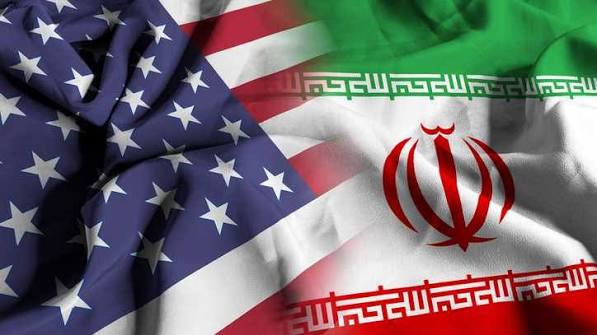
Diplomatic efforts to prevent renewed conflict between the United States and Iran intensified on Monday as a fragile ceasefire entered its third day, with both sides engaging in indirect negotiations through regional mediators while maintaining sharply different positions on key issues.
The pause in direct military confrontation followed the United States’ decision to suspend targeted strikes, creating an opportunity for intermediaries, including Oman and Pakistan, to shuttle messages between Washington and Tehran in an effort to ease tensions.
Despite the ongoing diplomatic contacts, Iran has ruled out direct negotiations with the United States for now. Iranian Foreign Ministry spokesperson Esmail Baghaei said discussions were continuing through intermediary channels, particularly with Omani officials, focusing on maritime security and commercial shipping.
“We currently have no direct negotiations with the United States,” Baghaei said. “Negotiations with mediators remain useful, but fundamental issues require comprehensive resolution.”
One of the central issues in the talks is the future of the Strait of Hormuz, a strategic waterway through which roughly one-fifth of the world’s oil supply passes. The United States is seeking the immediate restoration of unrestricted commercial navigation through the strait, while Iran insists that any reopening must be linked to broader security guarantees and relief from international sanctions.
The two countries also remain divided over Iran’s nuclear programme. Washington is pushing for stricter limits on uranium enrichment and missile development, while Tehran continues to demand recognition of its peaceful nuclear rights, alongside the easing of economic sanctions and access to frozen financial assets.
Although direct hostilities between the two nations have subsided for the moment, the broader security situation in the Middle East remains fragile. Military activity involving regional proxy groups and continued maritime tensions have kept security forces across the Gulf on heightened alert, raising concerns that the ceasefire could quickly unravel.
The temporary reduction in tensions has been welcomed by global financial markets, with crude oil prices falling as fears of supply disruptions eased. However, analysts caution that energy markets remain highly sensitive, warning that prices could rise again if negotiations stall or fighting resumes.
Diplomatic sources say technical consultations between the parties are expected to continue in the coming days as mediators work to narrow differences and lay the groundwork for a more durable agreement. While the ceasefire has created an opening for dialogue, significant disagreements over security, sanctions and Iran’s nuclear programme continue to stand in the way of a lasting resolution.