
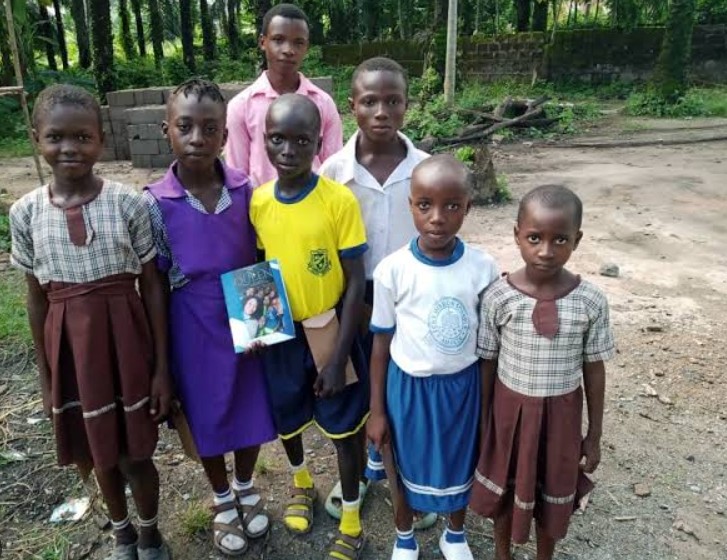
Stakeholders have called for stronger investment in the education and empowerment of the Nigerian girl-child, saying sustained support for girls is essential to developing future leaders and promoting national development.
The call was made during a recent advocacy event where participants stressed the need to provide girls with better access to quality education, skills development and opportunities that can enable them to contribute meaningfully to society.
The stakeholders also linked investment in girls’ education and empowerment to efforts to prevent human trafficking and other forms of exploitation, noting that girls who have access to education and economic opportunities are better positioned to make informed choices about their futures.
They urged governments, development organisations, private-sector players and communities to increase funding for programmes designed to keep girls in school and provide them with relevant skills.
The call comes amid persistent concerns over Nigeria’s education crisis, with millions of children still out of school despite increased government and development-partner funding for the sector. Stakeholders have therefore stressed the need for sustained investment in education, particularly initiatives aimed at improving access, retention and learning outcomes for girls.
Experts have previously warned that girls face additional barriers to education, including poverty, insecurity, child marriage, teenage pregnancy and social and cultural pressures.
In March, the Malala Fund and other stakeholders similarly called for greater investment in girls’ education, stressing the need for reforms that would improve access, retention and completion rates for Nigerian girls.
The Federal Government has also repeatedly identified girls’ education as an important component of national development. In October 2025, the Minister of State for Education, Suwaiba Ahmed, reaffirmed the government’s commitment to prioritising quality education for girls, describing it as a key driver of national development.
Stakeholders said investment should go beyond getting girls into classrooms and include measures to ensure they remain in school, complete their education and acquire skills relevant to the modern economy.
They also called for safer learning environments and stronger protection against gender-based violence, trafficking and other forms of exploitation that can interrupt girls’ education.
The importance of such investment was underscored by recent examples of Nigerian girls achieving international recognition when given opportunities to develop their abilities. Stakeholders argued that similar opportunities should be made available to girls across the country, particularly those from poor and vulnerable communities.
They maintained that educating and empowering girls would have benefits extending beyond individual families, including a more skilled workforce, stronger communities and greater participation of women in leadership and decision-making.
The stakeholders therefore urged policymakers to treat girl-child education as a long-term national investment rather than a social intervention, saying Nigeria’s future leadership and development prospects depend partly on how effectively it prepares and supports its young girls.