

The 12th edition of the Africa Magic Viewers’ Choice Awards (AMVCA) delivered another high-profile celebration of African film, television, and celebrity culture, with major wins, extravagant fashion displays, and heated online debates dominating conversations after the ceremony in Lagos.
Held on May 9 at the Eko Hotel and Suites in Lagos, the annual awards recognized achievements across film, television, digital content, and entertainment, while also reinforcing the AMVCA’s growing influence as one of Africa’s most visible pop culture events.
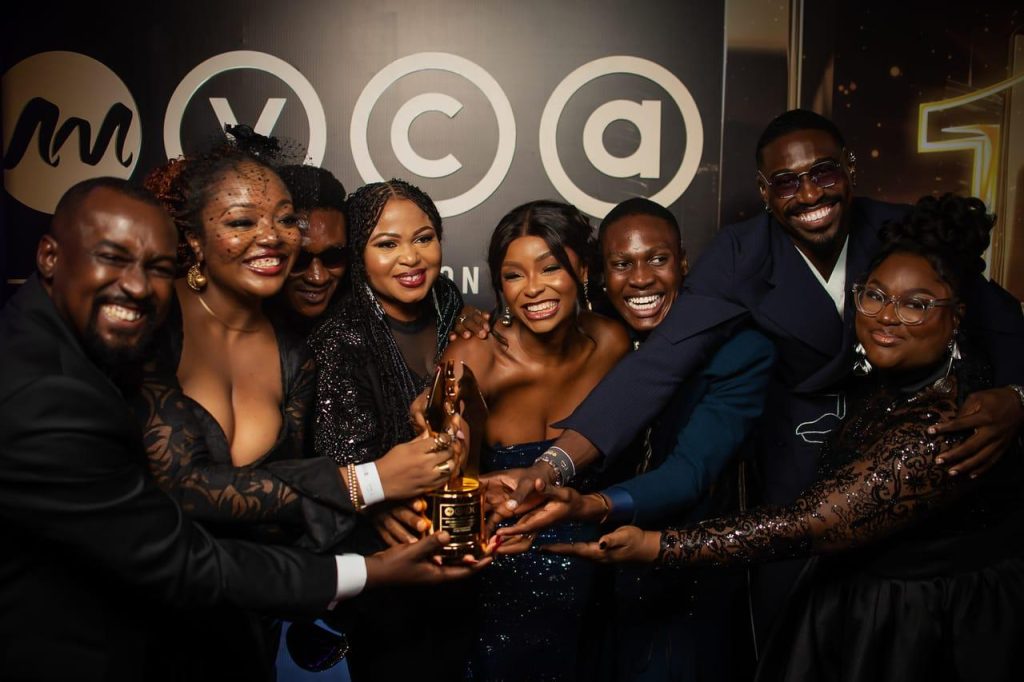
Among the night’s biggest winners was My Father’s Shadow, which secured both Best Movie and Best Director for filmmaker Akinola Davies Jr. Actress Linda Ejiofor emerged as one of the ceremony’s standout stars after winning Best Lead Actress for The Serpent’s Gift and Best Supporting Actress for The Herd. Uzor Arukwe won Best Lead Actor for Colours of Fire, while Bucci Franklin took home Best Supporting Actor for To Kill A Monkey.
Veteran Nollywood actors Sola Sobowale and Kanayo O. Kanayo received the Industry Merit Award in recognition of their contributions to African cinema, while actress Uche Montana earned the Trailblazer Award.
Fashion Takes Center Stage
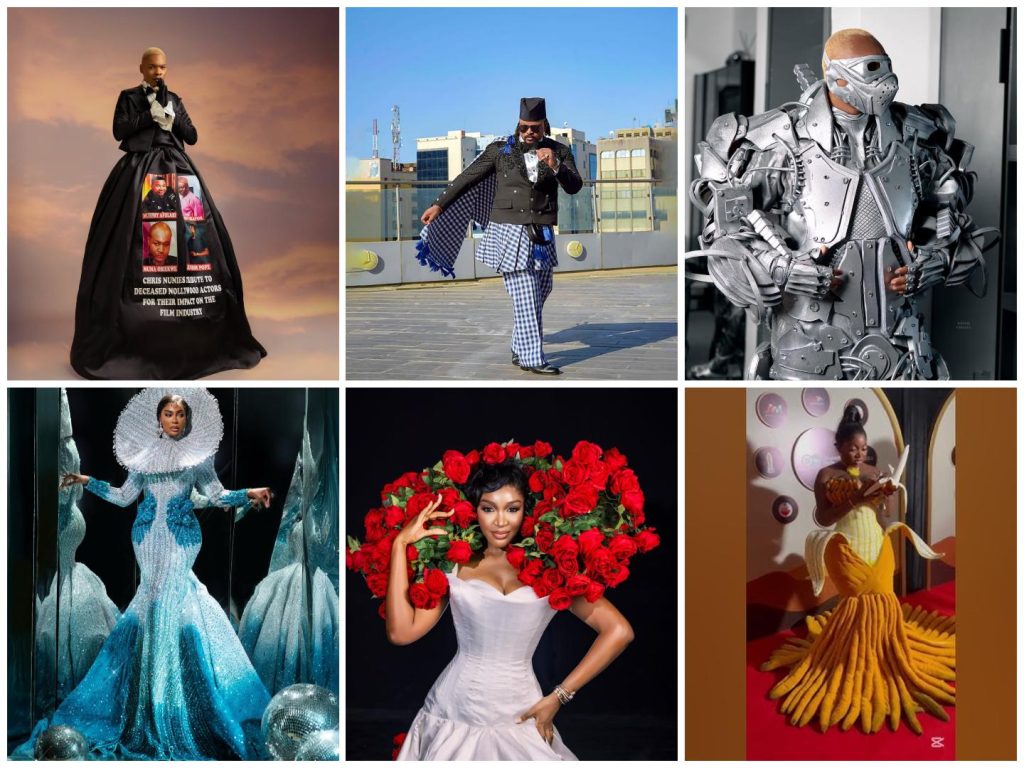
As in previous years, the red carpet generated nearly as much attention as the awards themselves. Nigerian celebrities, influencers, and designers used the event to showcase elaborate couture looks that quickly went viral across social media.
Fashion platforms and entertainment blogs highlighted appearances by stars including Osas Ighodaro, Liquorose, and Deyemi Okanlawon among the night’s standout style moments.
One of the most talked-about appearances came from reality television personality Queen Mercy Atang, who arrived wearing a dramatic gown reportedly made with hundreds of loaves of bread to promote her bakery business. The unconventional outfit sparked intense reactions online, with some praising the creativity and marketing strategy while others criticized it as excessive spectacle.
Several commentators compared the AMVCA red carpet to international fashion showcases such as the Met Gala, pointing to the increasingly theatrical direction of celebrity styling at African entertainment events.
Online Debates and Industry Criticism
Beyond the glamour, AMVCA 2026 also reignited familiar debates about award selections, snubs, and the balance between celebrity culture and artistic merit.
Social media discussions focused heavily on whether some fan-favorite actors and productions were overlooked in major categories, particularly in Best Lead Actor and Best Movie races. Online conversations also questioned whether viral popularity and streaming visibility are beginning to influence award outcomes more strongly than traditional critical acclaim.
Fashion criticism also became part of the broader conversation, with some commentators arguing that increasingly dramatic red carpet looks risk overshadowing the films and performances the awards were created to honor.
Still, the AMVCA remains one of the continent’s most commercially successful entertainment events, blending film recognition with fashion, music, and influencer culture in a way few African award ceremonies have managed to achieve. Analysts say the event’s ability to generate online engagement and cross-industry visibility continues to expand Nollywood’s influence beyond cinema audiences alone.