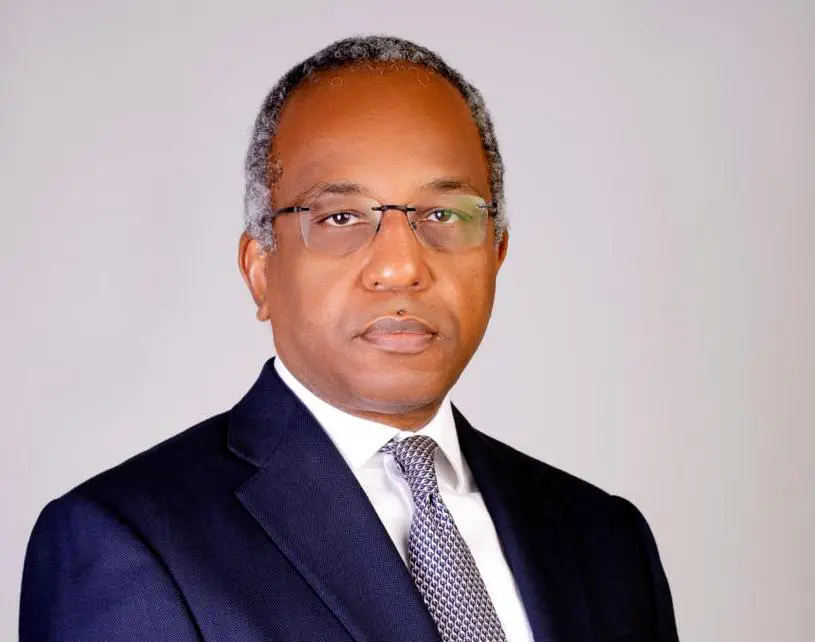
Former Lagos State governorship candidate and public policy advocate, Funso Doherty, has called on the Lagos State Government to provide immediate compensation to residents affected by the recent devastating floods and launch an independent investigation into whether the ongoing Lagos-Calabar Coastal Highway project contributed to the scale of the disaster.
Doherty made the call following widespread flooding across several parts of Lagos after heavy rainfall submerged homes, businesses and major roads, leaving thousands of residents stranded and forcing many families to evacuate their properties.
In a statement shared on his social media platforms, Doherty expressed sympathy for those who suffered losses, describing the flooding as both a humanitarian and governance issue that demands urgent action.
He argued that beyond offering emergency relief, the government has a responsibility to compensate individuals and businesses whose homes, livelihoods and properties were damaged by the floods.
“The victims of this disaster deserve more than words of sympathy,” he said. “They deserve meaningful support, including compensation for their losses and clear answers about why the flooding was so severe.”
Doherty also urged the state government to commission an independent investigation into the environmental impact of the Lagos-Calabar Coastal Highway project, particularly sections currently under construction along the city’s coastline.
According to him, questions have emerged over whether aspects of the project including land reclamation, altered drainage patterns and other engineering activities, may have worsened flooding in nearby communities during the heavy downpour.
He stressed that while infrastructure development is necessary, it must not come at the expense of environmental sustainability or public safety.
“If major construction works have contributed to worsening flood conditions, the public deserves transparency, accountability and corrective action,” he stated.
Doherty said an impartial environmental assessment would help establish the facts, restore public confidence and guide future infrastructure planning.
The recent flooding triggered widespread disruption across Lagos, with videos circulating online showing submerged roads, stranded motorists and residents wading through waist-deep water in several neighbourhoods.
Businesses were forced to close temporarily in some affected areas, while commuters endured hours of gridlock as floodwaters rendered major roads impassable.
Environmental experts have long warned that Lagos remains highly vulnerable to flooding due to a combination of rapid urbanisation, inadequate drainage infrastructure, blocked waterways, rising sea levels and increasingly intense rainfall linked to climate change.
The ongoing Lagos-Calabar Coastal Highway project has also attracted public debate, with supporters describing it as a transformative infrastructure investment, while critics have raised concerns about its environmental implications and long-term effects on coastal communities.
As of the time of filing this report, the Lagos State Government had not publicly responded to Doherty’s calls for compensation or to his proposal for an independent investigation into the possible environmental impact of the coastal highway project.
The state government has, however, consistently maintained that it is implementing flood control measures, including drainage expansion, desilting of canals and enforcement against illegal developments obstructing waterways.
Doherty insisted that while preventive measures remain essential, authorities must also ensure accountability whenever public infrastructure projects are suspected of contributing to environmental challenges.
He urged the government to prioritize the welfare of affected residents and adopt a more transparent approach to assessing the causes of the flooding to prevent similar incidents in the future.