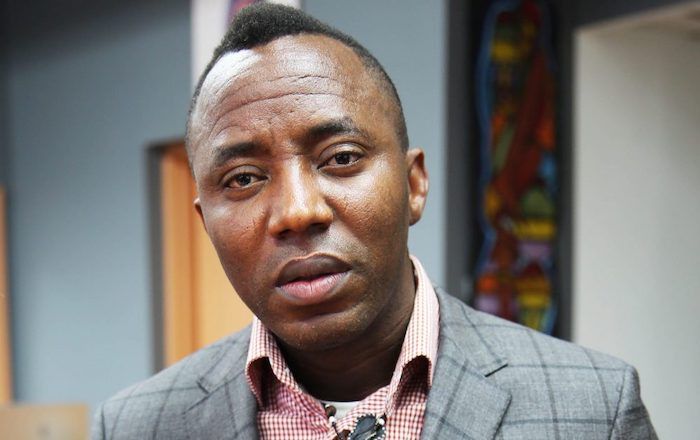
The Federal High Court in Abuja has fixed June 30, 2026, to rule on an application filed by human rights activist and former presidential candidate, Omoyele Sowore, seeking the restoration of his bail and the setting aside of a bench warrant earlier issued against him.
Justice Mohammed Umar adjourned the matter after hearing arguments from both the defence and the prosecution. The court also ordered that Sowore remain in custody at the Kuje Correctional Centre pending the ruling.
Sowore is facing a cybercrime charge filed by the Department of State Services (DSS), which accuses him of cyberbullying and making defamatory social media posts against President Bola Ahmed Tinubu. The activist was initially granted bail on self-recognition in December 2025.
However, the court revoked his bail and issued a bench warrant for his arrest after he failed to appear at a scheduled hearing on June 16, 2026. Following his appearance before the court on June 22, Justice Umar ordered his remand in Kuje Prison.
At Wednesday’s proceedings, defence counsel Raphael Adakole, representing Senior Advocate of Nigeria Adeyinka Olumide-Fusika, urged the court to vacate the bench warrant and restore Sowore’s bail. He argued that the decision infringed on his client’s constitutional rights to liberty and fair hearing and assured the court that Sowore would be available for subsequent proceedings.
The prosecution, led by Akinkolu Kehinde (SAN), opposed the application, insisting that Sowore failed to provide credible reasons for his absence from court. Kehinde urged the judge to uphold the bench warrant and remand order, arguing that doing otherwise would undermine the authority of the court.
After listening to both parties, Justice Umar reserved ruling until June 30. The judge also declined an oral application by the defence seeking Sowore’s temporary release into the custody of his lawyers, stating that granting such a request could prejudice the court’s pending decision on the substantive application.
The case continues to attract attention from civil society groups and legal observers, who say the outcome could have wider implications for digital rights, freedom of expression and judicial discretion in Nigeria.