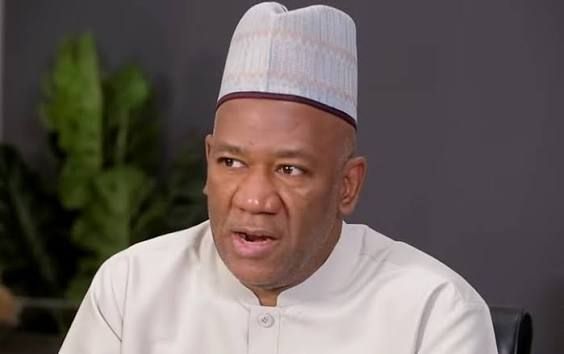
Senator Yusuf Datti Baba-Ahmed, the 2023 vice-presidential candidate of the Labour Party (LP), has officially resigned from the party and announced his return to the Peoples Redemption Party (PRP), further deepening the ongoing political realignments ahead of the 2027 general elections.
Baba-Ahmed made the announcement during a press briefing in Abuja, where he said the Labour Party had drifted away from the ideals and principles that initially attracted him to the platform.
“What the Labour Party stood for then is no longer what it is today,” he stated. “I am leaving the Labour Party and returning to the PRP. The PRP is the destination.”
The former senator, who represented Kaduna North Senatorial District in the National Assembly, has longstanding ties with the PRP and previously contested elections under the party before joining the Labour Party ahead of the 2023 presidential race.
His exit comes months after former Labour Party presidential candidate Peter Obi also left the party for the African Democratic Congress (ADC), a development many analysts say has significantly altered the structure of the opposition movement popularly known as the “Obidient” movement.
Although Baba-Ahmed had earlier pledged loyalty to the Labour Party following Obi’s departure, his latest move signals growing fragmentation within the party’s top leadership.
Speaking further at the briefing, Baba-Ahmed hinted at efforts to build a broader opposition coalition capable of challenging the ruling All Progressives Congress (APC) in 2027.
He stressed the need for national unity and inclusive leadership, adding that Nigeria requires a political platform built on fairness, competence, and ideological consistency.
Political observers believe his return to the PRP could strengthen the party’s visibility in Northern Nigeria, where it historically maintained influence as a progressive political movement.
The Labour Party, which emerged as a major force during the 2023 elections, has recently faced internal leadership disputes and high-profile defections that have raised concerns about its future direction.
The party had earlier attempted to stabilize its structure with leadership changes, including the emergence of Nenadi Usman as National Chairman, but the departure of key figures continues to fuel uncertainty within its ranks.
Analysts say the latest defection may signal the beginning of wider opposition negotiations ahead of the next election cycle, as politicians reposition themselves across multiple parties in a bid to build stronger alliances against the APC.