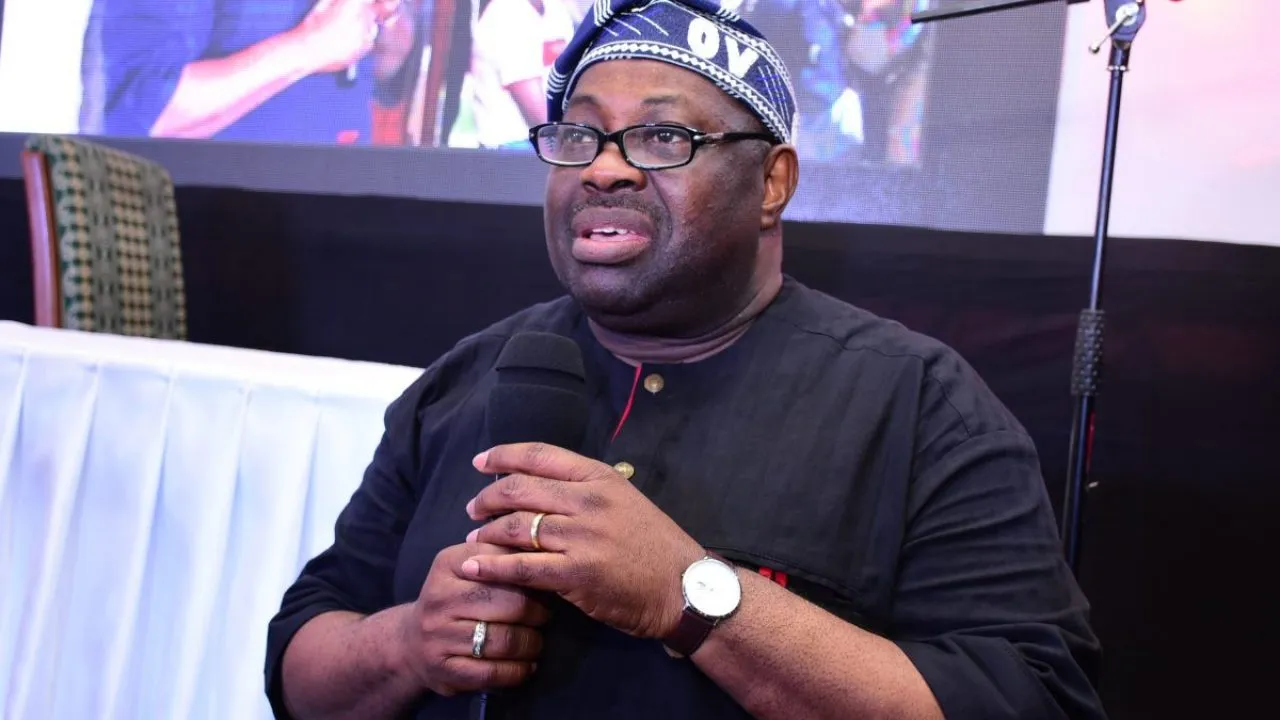
Veteran journalist and publisher of Ovation International, Dele Momodu, has recounted how he fled Nigeria during the military rule of General Sani Abacha, describing the experience as one defined by fear, separation, and survival.
Speaking on The Morayo Show hosted by Morayo Afolabi-Brown on Wednesday, May 13, 2026, Momodu narrated how he escaped in the mid-1990s amid a crackdown on journalists and pro-democracy voices following the annulment of the June 12, 1993 election.
He said his journey out of Nigeria involved crossing the Seme border into the Republic of Benin on foot at night, a route he described as risky and emotionally overwhelming.
According to him, the decision to flee came with immediate personal pain, as he had to leave behind his infant son without knowing when he would return.
Momodu said the emotional weight of that departure broke him down for the first time.
He added that a second moment of emotional breakdown came after he successfully crossed into Cotonou, where relief was quickly replaced by the harsh reality of exile and the uncertainty of life in a foreign country.
“I wept twice,” he said. “Once when I left my child behind, and again when I realized I was now alone in a place where I had to start all over.”
The publisher said the experience of exile later shaped his career trajectory, leading him to establish Ovation International while in London. He explained that the magazine was created to promote a more positive global image of Africa at a time when international narratives were largely focused on conflict and instability.
Momodu’s account reflects a wider historical period in Nigeria’s political history, when the Abacha administration intensified crackdowns on dissent following the June 12 crisis. During that time, several journalists, activists, and political figures fled the country to avoid arrest or persecution.
Many of those affected reportedly sought temporary refuge in neighbouring West African countries before relocating further abroad.
Momodu said the experience remains a reminder of the sacrifices made by those who resisted military rule, adding that Nigeria’s current democratic freedoms came at significant personal cost to many individuals.
His reflection adds to ongoing public discussions about Nigeria’s transition from military governance to civilian rule in 1999 and the personal stories behind that shift.