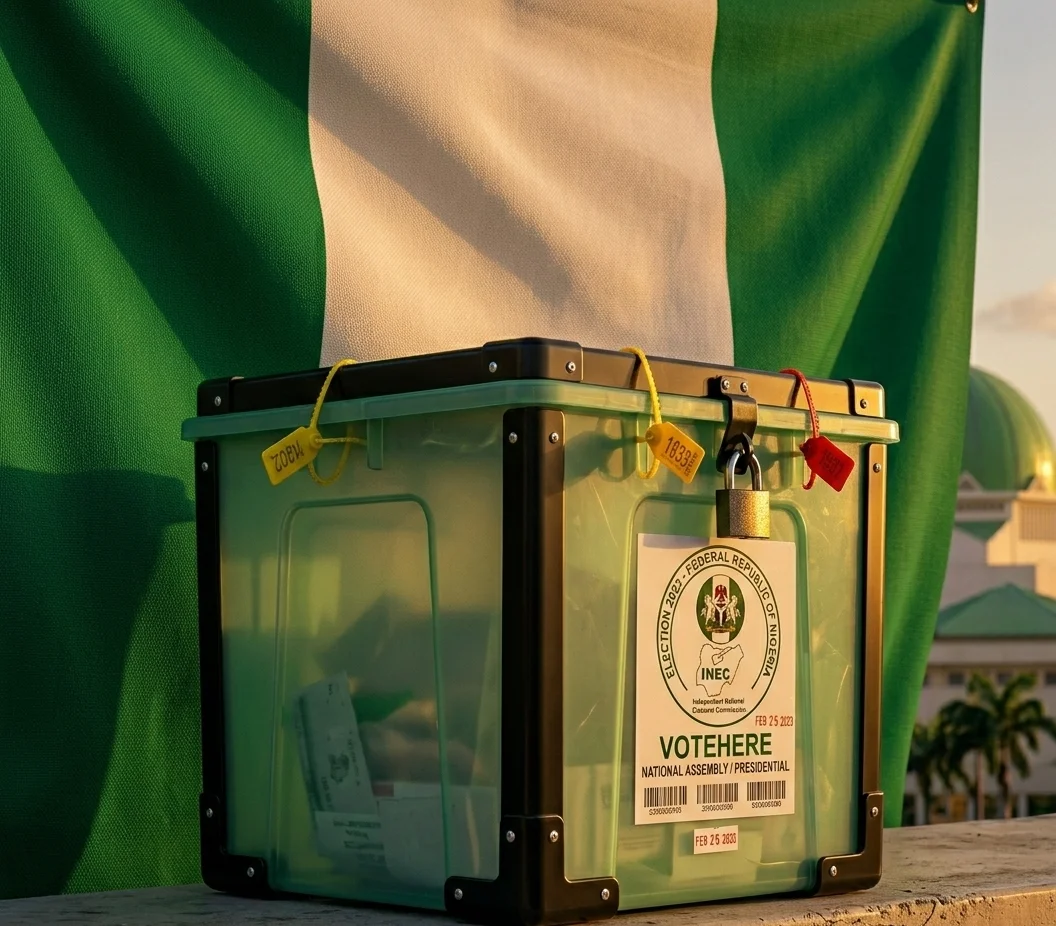
Although Nigeria’s next general elections are still some distance away, political maneuvering ahead of the 2027 polls has already intensified across the country, with internal party disputes, alliance negotiations, and growing voter frustration beginning to shape the emerging political landscape.
At the center of the latest tensions are allegations of candidate imposition and internal exclusion within the ruling All Progressives Congress, where aggrieved aspirants in several states have accused party leaders of sidelining popular contenders in favor of preferred establishment candidates.
The disputes reportedly escalated during recent screening and primary processes in parts of the South-West and North-Central regions, where some party members alleged that screening committees used technical disqualifications and consensus arrangements to prevent certain aspirants from contesting.
Critics within the party argue that the growing reliance on top-down candidate selection could weaken grassroots loyalty and create internal divisions ahead of the elections.
Some affected aspirants have warned that excluding locally popular figures may lead to voter dissatisfaction, defections, and the emergence of parallel political structures within state chapters.
While the APC grapples with internal friction, opposition parties are also undergoing significant realignments as political actors search for stronger coalition platforms capable of challenging the ruling party in 2027.
The Peoples Democratic Party continues to face internal instability and defections, creating space for emerging political movements such as the Nigeria Democratic Congress (NDC) and the African Democratic Congress (ADC) to expand their influence.
Political observers say attention is increasingly focused on the proposed “OK” alliance, a coalition effort associated with supporters of Peter Obi and Rabiu Musa Kwankwaso which is seeking to consolidate youth-driven and anti-establishment political sentiment across different regions.
However, analysts note that opposition coordination remains fragile, with unresolved leadership disputes, legal battles, and concerns over regional balancing still complicating efforts to build a united national front.
Beyond party structures and elite negotiations, political analysts believe the major issues likely to influence the 2027 elections will remain the economy and national security.
Rising living costs, economic reforms, unemployment concerns, and persistent insecurity across several parts of the country are already influencing public conversations ahead of the election cycle.
Recent kidnappings and school abductions in states outside traditional conflict zones have also heightened fears over the spread of insecurity into previously calmer regions, increasing pressure on the government to demonstrate stronger security responses.
Despite the APC’s broad incumbency advantage and control of a majority of state governments, analysts say early signs of internal dissatisfaction suggest the ruling party may face growing challenges in maintaining cohesion at the grassroots level.
At the same time, opposition groups continue to search for workable alliances capable of converting public frustration into electoral momentum.
With political realignments accelerating and debates over governance intensifying, observers say Nigeria’s road to 2027 is already shaping into a highly competitive and unpredictable contest that could significantly redefine the country’s political balance.