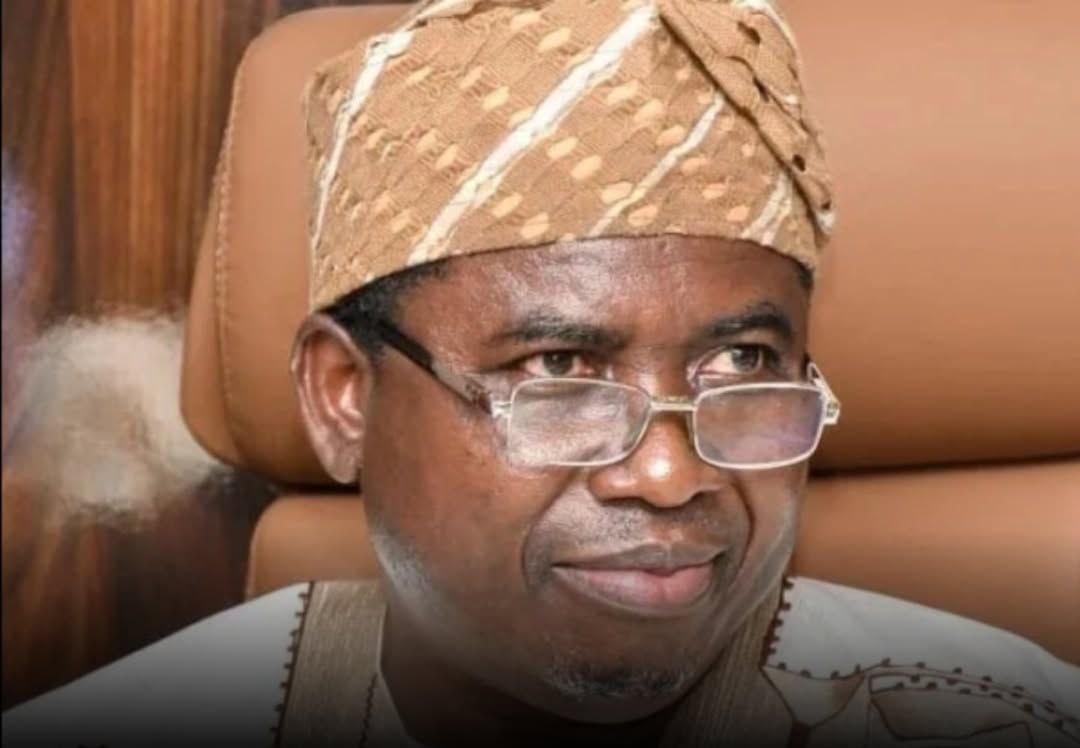
The Chairman of the Independent National Electoral Commission (INEC), Prof. Joash Amupitan, has warned that worsening insecurity and growing public distrust in the electoral process pose serious threats to the credibility and peaceful conduct of Nigeria’s 2027 general elections.
Speaking during a strategic engagement with security agencies and election stakeholders in Abuja on Wednesday, Prof. Amupitan described the roadmap to the 2027 polls as a “national security challenge” requiring urgent collaboration among electoral authorities, security institutions and political actors.
The INEC chairman expressed concern that rising voter apathy, fueled by public skepticism toward the electoral system, could undermine democratic participation and increase instability across the country.
“Voter apathy is no longer just a civic issue; it has become a national security concern,” Amupitan said. “When citizens lose confidence in the electoral process, it creates tension, suspicion and conditions that can threaten democratic stability.”
He admitted that the electoral commission continues to battle a deep trust deficit among Nigerians but assured that efforts were underway to improve transparency and fairness ahead of the 2027 elections.
“Everywhere you go, INEC is viewed with suspicion. We acknowledge this reality, but I want to assure Nigerians that during my tenure, justice, transparency and credibility will remain our guiding principles,” he stated.
As part of preparations for the elections, the commission disclosed that it has proposed a budget of ₦873.78 billion for the 2027 electoral cycle, with over ₦209 billion allocated to digital infrastructure and election technology.
INEC said the investment in technology is aimed at strengthening real-time electronic transmission of results, improving voter accreditation systems and reducing opportunities for manipulation during the electoral process.
The commission also announced revised timelines for the polls in an effort to avoid logistical delays and operational setbacks experienced in previous elections.
Under the proposed schedule, presidential and National Assembly elections are expected to hold on January 16, 2027, while governorship and state assembly elections are slated for February 6, 2027.
Prof. Amupitan further revealed that INEC is intensifying collaboration with the Inter-Agency Consultative Committee on Election Security (ICCES) to develop a security-first deployment strategy for high-risk areas across the country.
According to him, the partnership will focus on protecting voters, electoral personnel and sensitive materials in regions affected by insurgency, banditry, kidnapping and communal unrest.
The INEC chairman also warned against the growing spread of hate speech, misinformation and politically motivated propaganda, which he described as major triggers of pre-election violence.
The warning comes amid mounting pressure from opposition parties and civil society groups demanding reforms to the Electoral Act and greater transparency in the commission’s handling of political party disputes.
Recent protests by activists under the “#SaveDemocracy” campaign have also intensified scrutiny on INEC, with demonstrators accusing the commission of bias and selective interference in internal party affairs.
Political observers believe the successful conduct of the 2027 elections will depend heavily on the government’s ability to tackle insecurity, strengthen institutional trust and guarantee the independence of the electoral process.
As preparations gather momentum, attention is expected to shift to the National Assembly, where lawmakers will consider the proposed election budget and potential amendments aimed at strengthening Nigeria’s democratic framework ahead of the crucial polls.