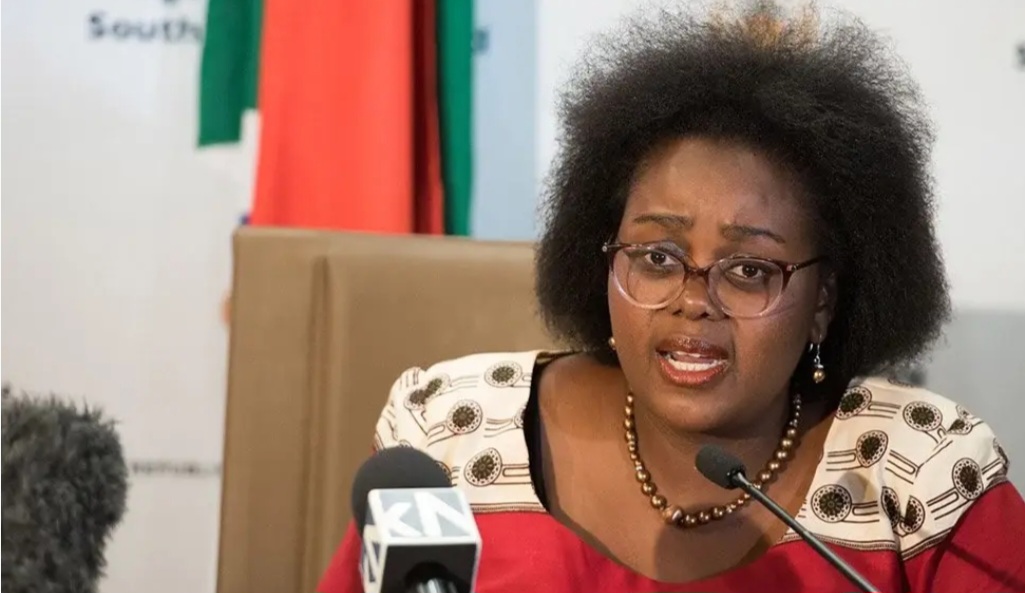
South Africa’s Minister of Human Settlements, Mmamoloko Kubayi, has expressed concern over the growing economic and reputational consequences of xenophobia-related perceptions, revealing that South African artists and businesses are increasingly facing setbacks across the African continent.
Kubayi acknowledged that allegations and recurring reports of xenophobic attacks in South Africa have triggered a backlash against South African nationals and companies operating beyond the country’s borders, resulting in lost business opportunities and cancelled engagements.
Speaking on the issue, the minister said the government could not ignore the adverse effects that the country’s image has had on its citizens and enterprises abroad.
“We can’t lie about the backlash, and that is why part of the work that we are doing as the government is engagement with businesses abroad, South African companies abroad,” Kubayi said.
She disclosed that at least one South African entertainer had personally contacted her to report significant losses due to the negative sentiment associated with xenophobia.
“One artiste did reach out to me to say all her gigs were cancelled on the continent. This is an income lost by a South African,” the minister added.
Kubayi’s remarks underscore the broader implications of xenophobia allegations, which have periodically strained South Africa’s relations with other African countries. Over the years, reports of attacks on foreign nationals, particularly migrants from other African nations, have sparked diplomatic tensions and calls for boycotts of South African businesses and products in several countries.
The minister noted that the fallout extends beyond diplomacy, affecting livelihoods and commercial interests. South African artists, who traditionally enjoy a strong presence across Africa’s entertainment industry, are now facing difficulties securing performances and partnerships in some markets.
Businesses have also reportedly encountered resistance as public sentiment in certain countries has turned against South African brands and investments.
According to Kubayi, the South African government has intensified efforts to repair relationships and reassure international partners. These efforts include direct engagement with South African companies operating abroad and outreach initiatives aimed at rebuilding trust across the continent.
The government has repeatedly condemned acts of violence and discrimination against foreign nationals and has sought to promote social cohesion and peaceful coexistence within South Africa.
Analysts say the minister’s comments reflect growing concern within government circles that xenophobia related controversies are not only damaging South Africa’s international standing but are also carrying tangible economic costs for citizens whose livelihoods depend on cross-border trade, tourism, entertainment, and investment.
Kubayi’s remarks come amid ongoing discussions across Africa about migration, economic opportunities, and regional integration. Observers argue that fostering stronger cooperation among African nations will require addressing the underlying causes of xenophobia while promoting tolerance and mutual respect among citizens.
As governments and stakeholders continue to grapple with the issue, the minister’s comments serve as a reminder that the consequences of xenophobia can extend far beyond national borders, affecting individuals, businesses, and cultural exchanges across the continent.
For South African artists and entrepreneurs already feeling the impact, the challenge now lies in rebuilding confidence and restoring opportunities that have been lost amid growing concerns over the country’s reputation abroad.