
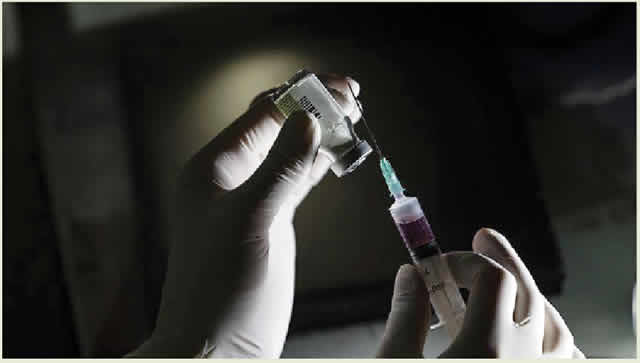
The World Health Organization (WHO) has announced that global vaccination efforts have saved an estimated 154 million lives over the past five decades, as World Immunization Week commenced on April 24, 2026.
The milestone coincides with the 50th anniversary of the Expanded Programme on Immunization (EPI), a landmark initiative that has significantly expanded access to life-saving vaccines worldwide. Findings from the report, published in The Lancet, indicate that immunization has effectively saved the equivalent of six lives every minute over the last 50 years.
Speaking on the development, WHO Director-General Tedros Adhanom Ghebreyesus described vaccines as one of the most powerful tools in modern medicine, noting their role in preventing diseases that once caused widespread mortality.
This year’s campaign, themed “For every generation, vaccines work,” highlights the expanding role of immunization beyond childhood, with vaccines now protecting individuals at all stages of life—from adolescence to old age.
According to the report, vaccination has been a major contributor to a 40 per cent decline in global infant mortality since the 1970s. Measles vaccines alone account for approximately 94 million of the lives saved, representing the largest share of the overall impact.
The EPI, which initially targeted six diseases—tuberculosis, diphtheria, tetanus, pertussis, polio, and measles—has since grown to include protection against at least 14 diseases, alongside newer vaccines for illnesses such as malaria and meningitis.
Despite these gains, the WHO warned of a worrying slowdown in immunization coverage following the COVID-19 pandemic. In 2024, more than 14 million infants reportedly received no vaccines, while an additional 20 million missed at least one essential dose.
Health officials say the gaps are particularly evident in parts of West Africa, including Nigeria, where recent outbreaks of measles and diphtheria have been linked to declining vaccination rates.
The WHO is now urging governments to intensify efforts to reach so-called “zero-dose” children—those who have never received any form of immunization—especially in remote and conflict-affected regions.
As part of this year’s activities, more than 100 countries are expected to conduct catch-up vaccination campaigns, alongside training programmes for tens of thousands of health workers and renewed public awareness drives to address vaccine hesitancy.
The campaign also marks the midpoint of the global Immunization Agenda 2030, which aims to significantly reduce the number of unvaccinated children by the end of the decade.