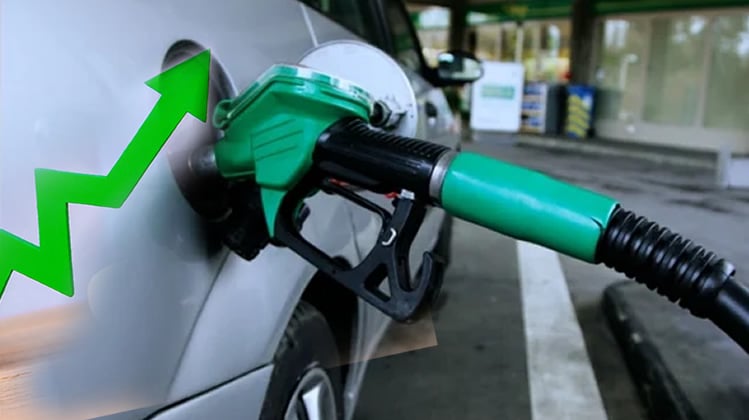
Egypt has raised domestic fuel prices by up to 30 percent, becoming one of the first countries in the region to formally pass on the economic shock of the US-Israel war on Iran to ordinary consumers.
The increases, announced by the petroleum ministry, apply to gasoline, diesel and compressed natural gas used in vehicles. The new prices took effect at 3:00 a.m. on Tuesday, March 10, 2026. Gasoline and diesel rose by three Egyptian pounds per litre, while compressed natural gas for vehicles rose from LE10 to LE13 per cubic metre. LPG cylinders also saw sharp increases, the 12.5kg canister rose from LE225 to LE275, and the 25kg cylinder jumped from LE450 to LE550.
The petroleum ministry cited the escalating US-Israeli war on Iran as a direct driver of the decision, saying it came “in light of the exceptional situation resulting from the geopolitical developments in the Middle East region and their direct effects on global energy markets.” The conflict has halted Middle East energy exports, with Tehran attacking ships and energy facilities, closing navigation in the Gulf and forcing production stoppages from Qatar to Iraq.
The move came days after Prime Minister Mostafa Madbouly had publicly warned that the state might resort to “exceptional measures” if global fuel prices rose significantly because of the war.
Egypt faces an especially acute version of the energy crisis. The country’s daily gas consumption stands at roughly 6.2 billion cubic feet, against domestic production of only 4.2 billion cubic feet — leaving it heavily reliant on imports at a time when regional supply chains are severely disrupted. Israeli gas imports, which had been flowing at approximately 1.05 billion cubic feet per day in February, are now under threat.
The country is also suffering collateral economic damage through its vital Suez Canal revenues, which have been hammered by the collapse of Gulf shipping traffic. Banking expert Mohamed Abdel Aal warned that if escalation deepens, Egypt could face hot money outflows toward safe havens, potentially pressuring the Egyptian pound, and said the Monetary Policy Committee may be forced to raise interest rates if inflation worsens due to higher shipping and fuel costs.
Egypt has been engaged in a series of IMF loan programmes since 2016 that have progressively pushed the government to reduce fuel, electricity and food subsidies while expanding social safety nets, making Tuesday’s hike consistent with longstanding reform obligations as well as an immediate response to the regional crisis.