
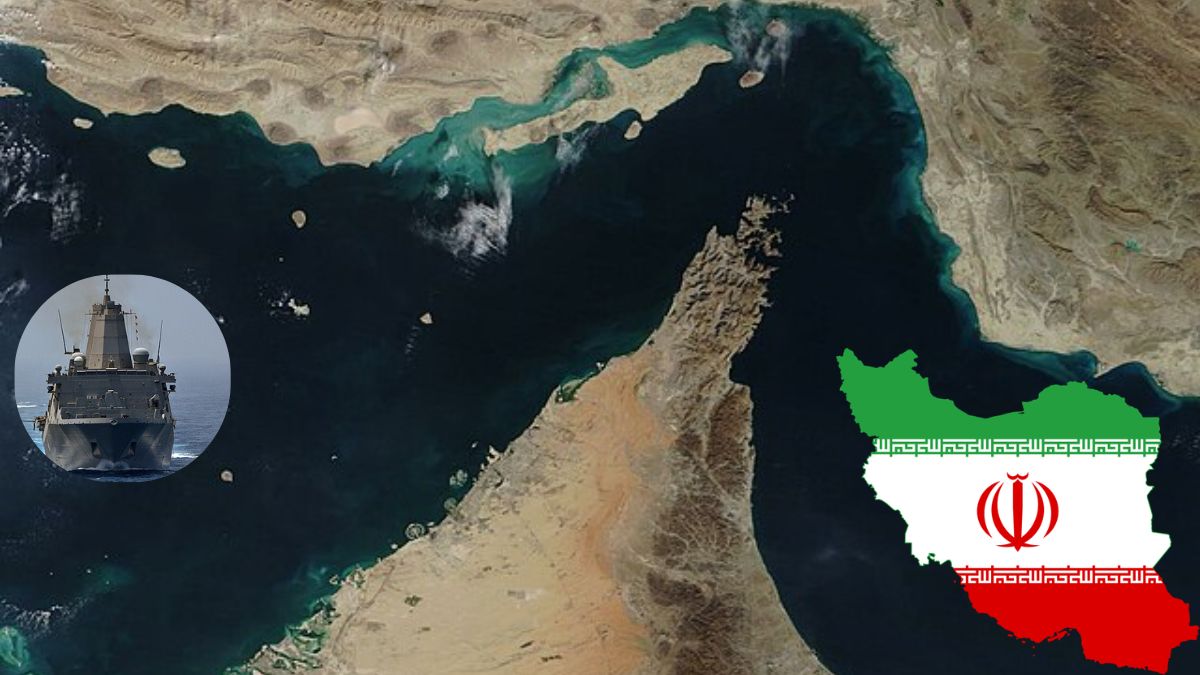
Iran has moved to reimpose strict controls on the Strait of Hormuz, less than 24 hours after announcing the waterway was open to commercial shipping, following a dispute with the United States over ongoing maritime restrictions.
The development comes after Donald Trump clarified that the U.S. naval blockade on Iranian ports would remain in place despite Iran’s earlier decision to allow vessel movement through the strategic passage.
Iranian officials said the initial reopening of the Strait was intended as a goodwill gesture linked to a temporary ceasefire in Lebanon. However, authorities have now introduced what they describe as “strict management and control” of the waterway, citing the lack of reciprocal action from the United States.
Under the new arrangement, commercial vessels may still transit the Strait, but movement is expected to be subject to tighter oversight, designated routes, and potential authorization by Iranian authorities
At the heart of t.he standoff is a divergence in expectations. Tehran had anticipated that easing restrictions in the Strait would be matched by a relaxation of U.S. measures affecting its ports. Washington, however, maintains that the blockade is part of a broader strategy to secure a comprehensive agreement on Iran’s nuclear programme and is not tied to the ceasefire.
The renewed uncertainty has added volatility to global energy markets. Oil prices, which fell sharply following news of the Strait’s reopening, have begun to rise again amid concerns over possible disruptions to supply.
The Strait of Hormuz remains a critical global energy corridor, handling a significant share of the world’s oil and liquefied natural gas shipments. Any restriction—short of a full closure—can still impact shipping costs, insurance premiums, and supply chains.
The latest development underscores the fragility of ongoing diplomatic efforts in the region. While the ceasefire between Israel Defense Forces and Hezbollah remains in place, tensions at sea risk undermining broader attempts to stabilise the situation.
Diplomatic engagements are expected to continue, but with no clear timeline for resolution, the Strait is likely to remain under heightened scrutiny, reflecting the uncertain balance between de-escalation and strategic pressure in the region.