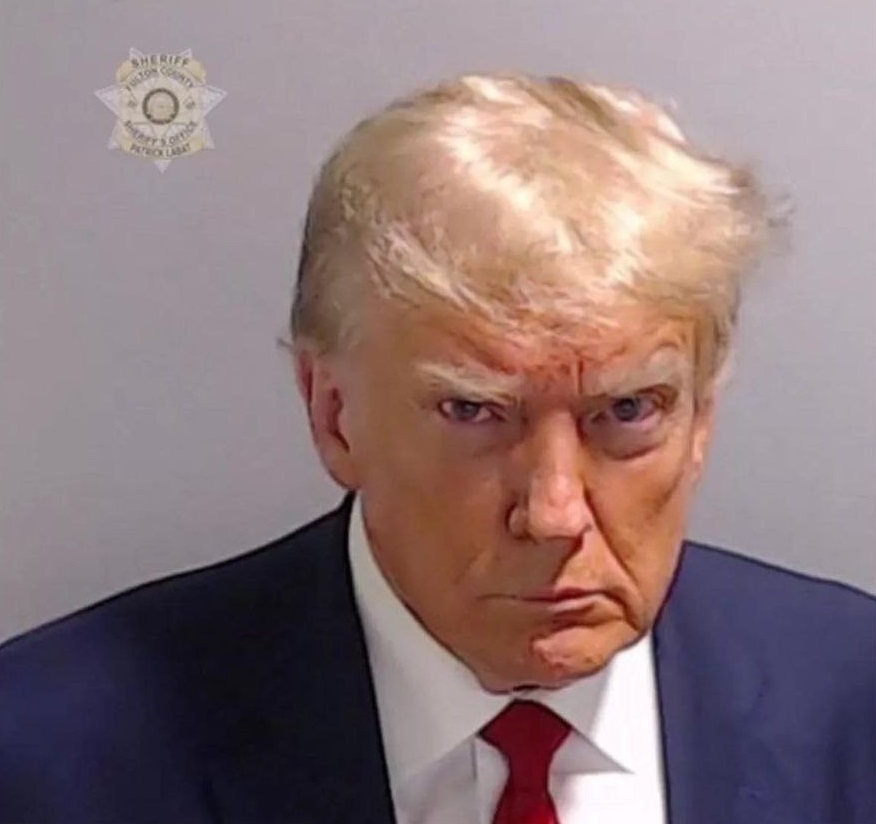
In the aftermath of the latest assassination attempt targeting Donald Trump, a wave of conspiracy theories has flooded social media platforms, political forums, and fringe commentary networks, with some voices alleging the incident may have been staged or manipulated to influence the future of America’s controversial surveillance powers under Section 702 of the Foreign Intelligence Surveillance Act (FISA).
The claims, while unsupported by verified evidence, have reignited long-standing public distrust surrounding intelligence agencies, government surveillance programs, and the political use of national security crises.
The Theory Behind the Claims
At the center of the online speculation is FISA Section 702, a powerful U.S. intelligence authority that permits the government to collect communications of non-U.S. persons located abroad for foreign intelligence purposes.
Critics of the law have repeatedly warned that the program allows for incidental collection of Americans’ data without traditional warrants, making it one of the most controversial surveillance tools in modern U.S. history.
Now, following the attempted attack on Trump, some conspiracy theorists claim the event could create the political atmosphere needed to justify extending or permanently renewing Section 702.
Posts circulating on X (Twitter), alternative media platforms, and political discussion channels argue that heightened fears of domestic instability or foreign threats could be used to persuade lawmakers and the public that expanded intelligence powers are necessary.
Some of the more extreme claims go further, alleging the attack itself may have been staged — a claim for which no evidence has been publicly presented.
As of now, investigators and major media organizations have not released any verified information linking the assassination attempt to intelligence agencies, lawmakers, or efforts surrounding FISA renewal.
Authorities say a suspect has been arrested and charged, while federal investigators continue examining motive, planning, and possible connections. No credible investigative body has suggested the incident was orchestrated.
Still, the rapid spread of the theories reflects a broader erosion of trust in institutions — particularly in an era where political polarization and online misinformation often shape public perception faster than official investigations.
Why FISA 702 Remains So Controversial
The controversy surrounding Section 702 predates the Trump incident by many years.
Civil liberties advocates, privacy organizations, and some lawmakers from both political parties have criticized the program for enabling broad government surveillance capabilities with limited transparency.
Supporters, however, argue the intelligence tool is essential for counterterrorism, cybersecurity, and identifying foreign threats.
The law has historically faced fierce renewal battles in Congress, especially after disclosures by former NSA contractor Edward Snowden exposed the scale of U.S. surveillance operations in 2013.
For critics already skeptical of government power, the timing of any major national security event near surveillance debates naturally attracts suspicion — even when evidence is absent.
A Familiar Pattern in American Politics
Throughout modern American history, major crises have often led to expansions of government security powers.
Following the September 11 attacks, Congress rapidly passed sweeping legislation including the Patriot Act, dramatically increasing surveillance authorities in the name of national security.
That historical precedent partly explains why some Americans are wary whenever violent political events occur during sensitive policy debates.
However, analysts caution that historical parallels should not be confused with proof of orchestration.
The Information War Around Modern Politics
The latest Trump incident also highlights how quickly conspiracy narratives can dominate online discourse before investigations conclude.
Algorithms on social media platforms often amplify emotionally charged or distrust-driven content, allowing speculation to spread globally within hours.
Political analysts warn that this environment creates fertile ground for competing narratives, where public opinion is increasingly shaped not only by facts, but by suspicion, ideology, and digital echo chambers.
Whether the conspiracy theories surrounding the Trump assassination attempt fade or intensify may depend less on evidence and more on the growing divide in public trust toward governments, intelligence agencies, and mainstream media itself.