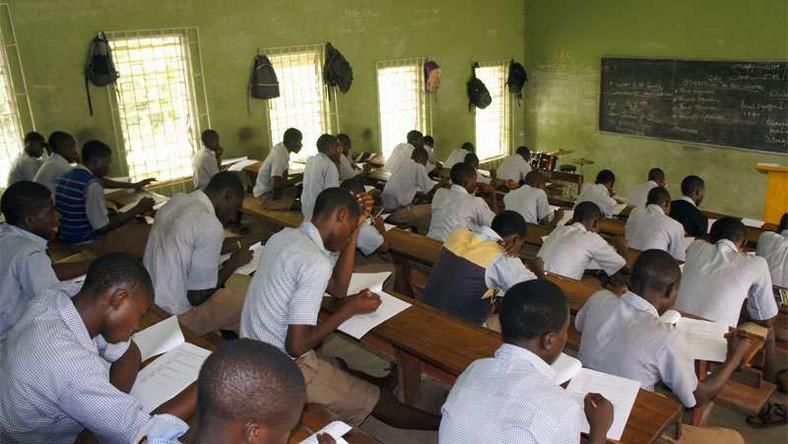
As the 2026 examination season reaches its peak, many Nigerian families are facing what analysts describe as a growing financial burden tied to education, as the cost of preparing students for key national examinations continues to rise.
Across cities such as Lagos, Abuja, and other parts of the country, parents and guardians say the combined expenses of registration fees, tutoring, transportation, and learning materials are placing significant pressure on household budgets.
While the Joint Admissions and Matriculation Board has maintained a relatively stable fee structure for the 2026 Unified Tertiary Matriculation Examination (UTME), families say the total cost of sitting for major examinations remains high when additional expenses are considered.
Students preparing for both the West African Senior School Certificate Examination (WASSCE) and UTME face multiple financial requirements, including registration fees, tutorial classes, digital learning tools, internet data, and transport costs.
Education stakeholders note that tutorial centres have become increasingly important due to the shift toward Computer-Based Testing (CBT), with many students relying on private coaching facilities for adequate preparation.
In several urban areas, intensive exam preparation programmes run for months and attract significant fees, particularly in locations such as Ikeja and Ogba in Lagos, where demand for CBT practice has surged.
Teachers and education consultants say the growing reliance on digital learning has further increased household expenses, as students require internet access, smartphones, or computers to access online learning platforms and practice tests.
A secondary school teacher, Sarah Adeyemi, said the shift to CBT has made additional preparation necessary for many students.
“Students need consistent practice on computers to succeed. Unfortunately, many public schools still lack the infrastructure, so parents have to pay for external training,” she said.
Market observers also point to rising school-related expenses, including transport fares and fuel costs, which have contributed to increased tuition and service charges across private and public institutions.
In many schools, additional levies have been introduced to cover rising operational costs such as diesel for generators and transportation for school buses.
Education analysts warn that the cumulative effect of these expenses is forcing many families to make difficult financial adjustments, including moving children to lower-cost schools or reducing spending in other household areas.
Some parents say the total cost of preparing a single student for major examinations can run into significant sums when all related expenses are combined.
Economists describe the trend as part of a broader strain on household incomes, noting that education, once considered a long-term investment, is increasingly becoming a short-term financial challenge for many families.
There has also been a noticeable increase in inquiries to government-backed student loan schemes, as families seek alternative financing options to cover education-related expenses.
The Nigerian Education Loan Fund has reportedly seen growing interest from parents and students seeking support for tertiary education costs, although most funding remains focused on higher education.
Education experts warn that rising costs could widen inequality in access to quality exam preparation, particularly as more schools transition to CBT-based assessment systems that require digital literacy and infrastructure.
They caution that students from lower-income households may be placed at a disadvantage if access to digital tools and quality tutoring continues to depend heavily on financial capacity.
For many Nigerian families, analysts say, the 2026 exam season is no longer just an academic milestone but also a test of financial resilience in a challenging economic environment.