
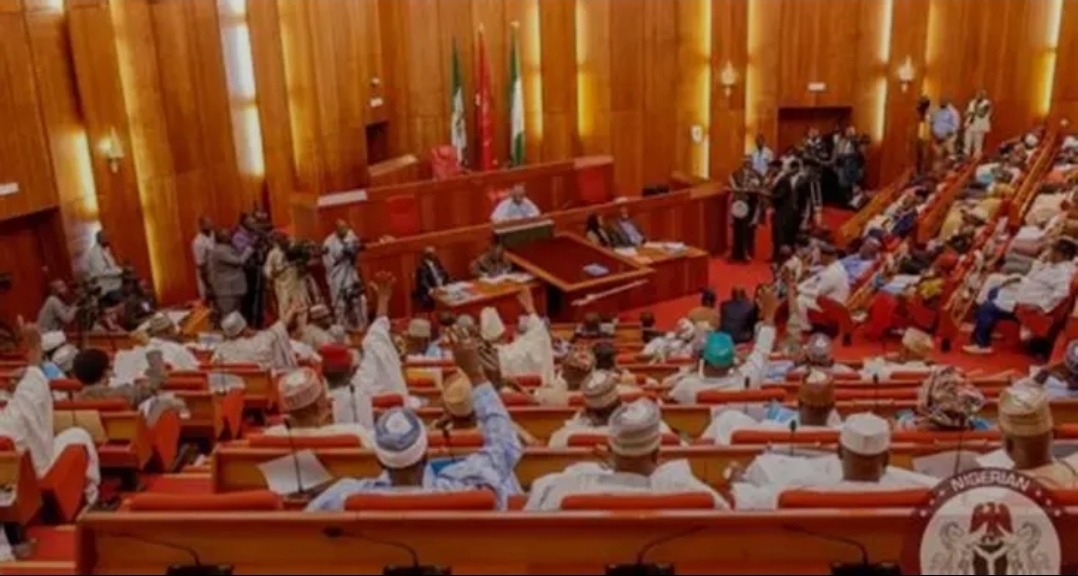
The 11th Senate may soon consider a constitutional amendment bill seeking to introduce a single six-year tenure for Nigeria’s president and state governors, a proposal proponents say could enhance governance, reduce political distractions, and promote long-term policy implementation.
The development was disclosed by a member of the National Assembly, who revealed that discussions are underway regarding a legislative framework that would replace the current two-term system with a single, non-renewable six-year term for executive office holders at both the federal and state levels.
Under Nigeria’s current constitutional arrangement, presidents and governors are elected for four-year terms and may seek re-election for a second term, allowing them to serve a maximum of eight years in office. Advocates of the proposed reform argue that the existing structure often compels elected leaders to focus on re-election campaigns shortly after assuming office, sometimes at the expense of governance.
Supporters of the proposal contend that a single six-year tenure would provide presidents and governors with sufficient time to implement policies and execute development programmes without the pressure of seeking a second mandate. They believe the change could help leaders concentrate fully on governance, public service delivery, and long term national development objectives.
According to proponents, eliminating the need for re-election campaigns could also reduce political tensions and the enormous financial resources often expended during election cycles. They argue that public funds and government attention could be redirected toward critical sectors such as infrastructure, healthcare, education, security, and economic development.
The proposed amendment is also expected to generate debate over issues of accountability and democratic participation. Critics of a single-term system have historically argued that the prospect of re-election serves as an important mechanism for holding elected officials accountable to the electorate. They contend that voters should retain the opportunity to either reward effective leadership with a second term or remove underperforming leaders through the ballot box.
Political analysts note that the idea of a single tenure for executive office holders is not new in Nigeria. Similar proposals have surfaced at various times since the country’s return to democratic rule in 1999, but none has succeeded in securing the broad political consensus required for constitutional amendment.
Any attempt to alter the tenure structure would require substantial constitutional changes. Such amendments must secure approval by a two-thirds majority in both chambers of the National Assembly and be endorsed by at least two-thirds of the country’s state Houses of Assembly before they can become law.
Observers say the proposal is likely to attract intense debate among lawmakers, political parties, civil society organisations, constitutional experts, and members of the public. Key issues expected to dominate discussions include the appropriate length of tenure, the balance between governance and accountability, and the broader implications for Nigeria’s democratic system.
Supporters of the initiative maintain that a six-year single term could foster greater stability in government and allow elected leaders to pursue ambitious reforms without concerns about electoral calculations. They argue that reducing the influence of perpetual campaign politics could create a more conducive environment for policymaking and national development.
However, opponents are expected to raise concerns about concentrating executive power in a single term without the possibility of electoral review midway through an administration’s tenure. They may also question whether the proposed arrangement would adequately strengthen democratic accountability and responsiveness to citizens’ needs.
As discussions continue within the National Assembly, the proposal is expected to generate significant public interest, particularly as political stakeholders begin positioning themselves ahead of future electoral contests.
If formally introduced and eventually passed, the bill would represent one of the most consequential constitutional reforms since Nigeria’s return to democratic governance, potentially reshaping the country’s political landscape and the tenure structure of its highest elected offices.