
The Peoples Democratic Party (PDP) governorship candidate for the 2027 election in Ebonyi State, Ifeanyi Chukwuma Odii, has said he will not seek a second term if elected governor, declaring that he has already committed the decision to God.
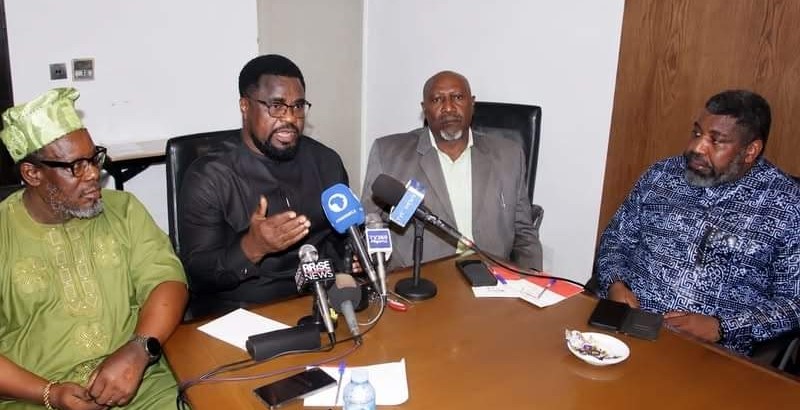
Speaking during a media parley in Lagos on Saturday, Odii said he had mapped out what he intended to accomplish within a single four-year tenure, stressing that his ambition is driven by a desire to serve rather than remain in office.
“I’ve told God I won’t seek re-election,” Odii said, adding that one term would be sufficient to implement his development agenda for Ebonyi State.
The PDP candidate explained that his decision was based on his belief that effective leadership should be measured by impact rather than longevity in office. He maintained that he has outlined clear priorities that can be achieved within four years if given the mandate by the people of Ebonyi.
Odii said his administration, if elected, would focus on infrastructure development, job creation, education, healthcare and economic empowerment, while promising to improve governance and accountability in the state.
He also called on residents to support his vision for what he described as a new phase of development in Ebonyi, expressing confidence that the PDP would mount a strong challenge in the 2027 governorship election.
The businessman and philanthropist, who previously contested the 2023 governorship election under the PDP, said he remains committed to offering what he described as purposeful leadership and sustainable development for the state.
Political observers say Odii’s one-term pledge is an unusual commitment in Nigeria’s political landscape, where elected governors are constitutionally entitled to seek a second four-year term. However, such declarations are political promises and are not legally binding.
The 2027 Ebonyi governorship election is expected to be closely watched as political parties begin positioning ahead of the polls. Odii’s latest remarks are likely to fuel discussions on leadership, accountability and the use of political power in the state.