Africa’s impressive showing at the 2026 FIFA World Cup may have marked a new chapter for the continent’s football, but Nigeria’s Super Eagles continue to hold several of the continent’s most notable World Cup records.
With African teams delivering some of their strongest performances at the expanded tournament, expectations were high that longstanding milestones set by the Super Eagles could be surpassed. However, by the end of the competition, Nigeria’s achievements remained firmly in the record books.
The 2026 World Cup witnessed African representatives producing memorable displays against some of the world’s football powerhouses, underlining the continent’s growing competitiveness on the global stage. Several teams advanced beyond the group phase and challenged established football nations, earning widespread praise for their performances.
Despite these achievements, none of the participating African sides eclipsed Nigeria’s enduring World Cup records, particularly in areas such as total tournament appearances and overall knockout-stage qualifications.
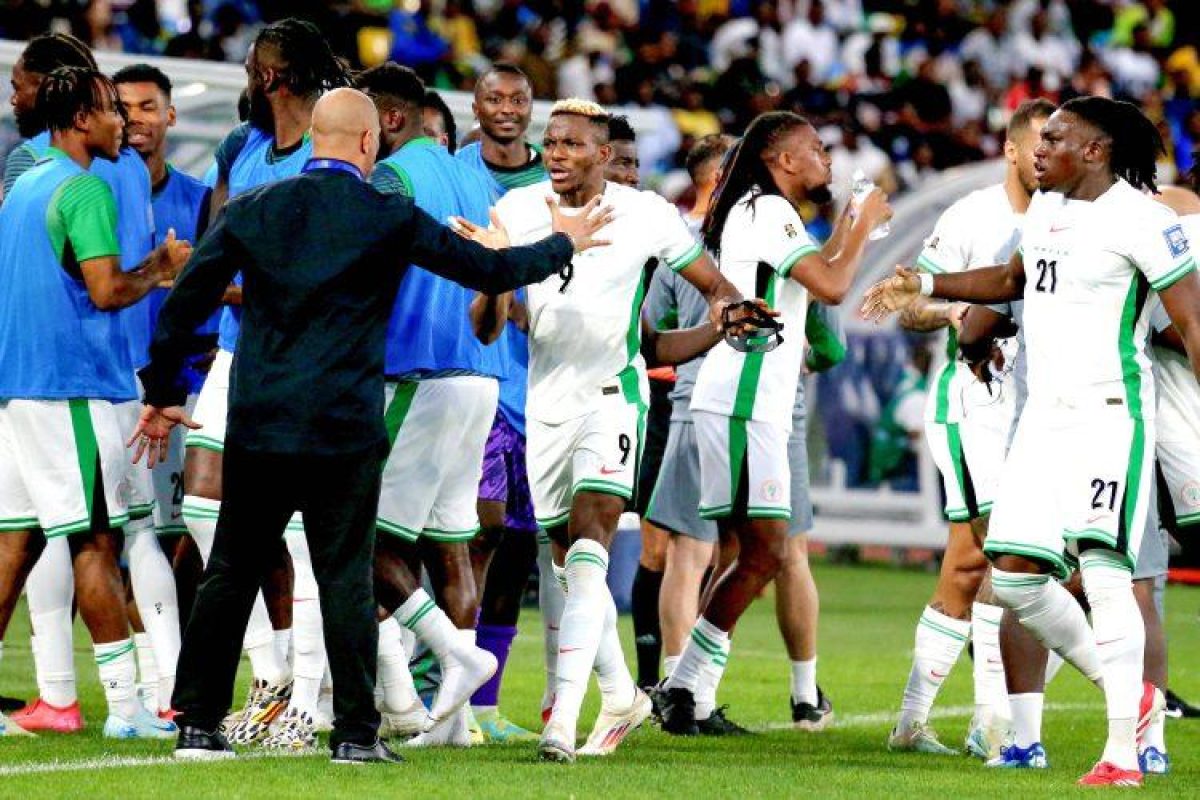
The Super Eagles remain one of Africa’s most successful World Cup nations, having featured in six editions of the tournament and reached the Round of 16 on three occasions—in 1994, 1998 and 2014. Those achievements continue to rank among the best by any African country.
Nigeria also retains a reputation for making an immediate impact on the global stage. On their World Cup debut in the United States in 1994, the Super Eagles topped a challenging group before narrowly losing 2-1 to Italy after extra time in the Round of 16, a performance that announced the country’s arrival among football’s elite.
The team’s subsequent appearances have produced several memorable moments, including victories over Bulgaria, Spain and Bosnia and Herzegovina, as well as performances that have helped cement Nigeria’s status as one of Africa’s traditional football powerhouses.
Although the Super Eagles failed to qualify for the 2026 World Cup, the tournament highlighted the steady progress of African football as more nations demonstrated their ability to compete consistently at the highest level.
Football analysts believe the performances of African teams at the 2026 finals reflect the continent’s growing investment in player development, coaching and infrastructure. They argue that the success recorded by several nations is likely to inspire further progress ahead of future international competitions.
For Nigeria, however, the tournament also served as a reminder of the work required to return to the global stage. Missing consecutive World Cup campaigns has intensified calls for reforms aimed at restoring the Super Eagles to regular qualification and continental dominance.
As attention gradually shifts toward the next World Cup qualifying cycle, Nigerian football stakeholders will be hoping the Super Eagles can not only reclaim their place among the world’s best but also build on the legacy that continues to keep the country’s name prominent in African World Cup history.
While Africa celebrated a landmark campaign in 2026, the Super Eagles’ longstanding World Cup achievements remain an important benchmark, reflecting the country’s enduring contribution to the growth and success of African football on the global stage.