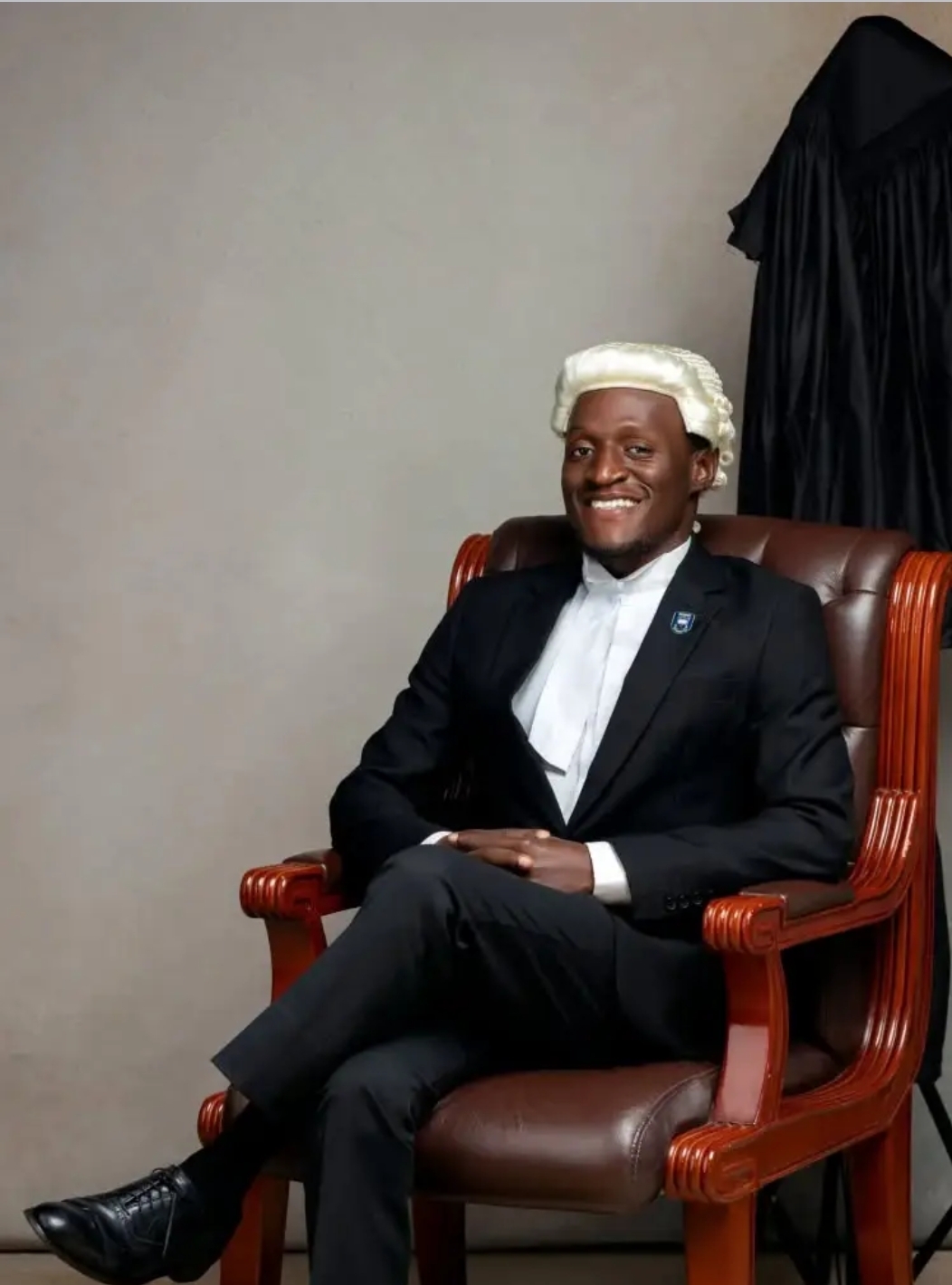
Nehemiah Danjuma has etched his name in Nigeria’s legal history after being called to the Nigerian Bar, becoming the first deaf person from Northern Nigeria to qualify as a lawyer.
His achievement marks a significant milestone for disability inclusion in the country’s legal profession and has been widely celebrated as an inspiring testament to resilience, determination and the power of inclusive education.
Danjuma was officially admitted to the Nigerian Bar after successfully completing the rigorous academic and professional requirements for legal practice, overcoming barriers that often limit access to education and professional opportunities for persons with disabilities.
His journey to becoming a legal practitioner has drawn widespread admiration from legal professionals, disability rights advocates and members of the public, many of whom have described the feat as a breakthrough for equal representation within Nigeria’s justice system.
Supporters say Danjuma’s accomplishment demonstrates that physical disabilities should not be viewed as limitations to excellence or professional success. Instead, they argue, it underscores the importance of creating an inclusive environment where individuals are provided with the tools and opportunities needed to thrive.
The historic milestone is also expected to inspire many young Nigerians living with disabilities, particularly those who aspire to pursue careers in law and other highly competitive professions.
Disability rights advocates have long called for greater accessibility in Nigeria’s educational institutions and workplaces, urging authorities to provide sign language interpretation, accessible learning materials and inclusive policies that enable persons with disabilities to participate fully in society.
Legal practitioners have also hailed Danjuma’s admission to the Bar as evidence that the legal profession is becoming more representative of Nigeria’s diverse population, while emphasizing the need for continued efforts to remove barriers facing people with disabilities.
Beyond its symbolic significance, Danjuma’s success highlights the growing conversation around equal opportunities and the implementation of laws designed to protect the rights of persons with disabilities.
His achievement comes as stakeholders continue to advocate for stronger enforcement of disability rights legislation and greater investment in inclusive education across the country.
For many Nigerians, Nehemiah Danjuma’s call to the Bar represents more than a personal triumph. It is seen as a landmark moment that challenges stereotypes, promotes inclusion and reinforces the message that determination and opportunity can overcome barriers.
As congratulations continue to pour in from across the country, Danjuma’s story is being celebrated as one of perseverance, courage and hope, one that is expected to inspire future generations of Nigerians to pursue their ambitions regardless of the challenges they face.