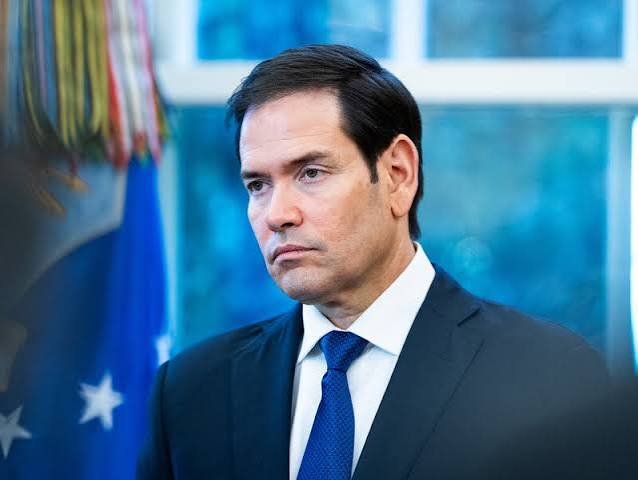
A new report has claimed that U.S. Secretary of State Marco Rubio has become the central figure shaping Venezuela’s political and economic affairs following the removal of former President Nicolás Maduro earlier this year.
According to an investigative report by The New York Times, Rubio has assumed an unusually influential role in the country’s governance after Maduro was captured by U.S. special operations forces in January 2026 and transferred to the United States to face narcotics-related charges.
The report says Venezuela has since been operating under an interim government, but many major policy decisions are being coordinated from Washington. It alleges that Rubio maintains regular communication with Venezuela’s acting President, Delcy Rodríguez, and plays a significant role in decisions affecting the country’s administration, finances and international relations.
The newspaper further reports that the U.S. State Department has expanded its involvement beyond traditional diplomacy, helping oversee key aspects of Venezuela’s political transition and economic management.
Analysts interviewed in the report compared the arrangement to the United States’ early 20th-century “Dollar Diplomacy,” when Washington exercised considerable influence over the financial systems of several Latin American countries.
Supporters of the current approach argue that close U.S. involvement has helped stabilize Venezuela during a fragile transition by preventing economic collapse, controlling inflation and ensuring government revenues are properly managed. They contend that the arrangement has enabled the interim administration to continue paying public sector workers and maintain basic state functions.
However, critics have questioned the implications of such extensive U.S. involvement in the affairs of a sovereign nation. They argue that the reported level of American oversight raises concerns about Venezuela’s political independence and the credibility of any future democratic elections conducted during the transition.
The report also notes that questions remain over how long the current governance arrangement will continue and when full administrative authority will be returned to Venezuelan institutions.
Neither the U.S. State Department nor Venezuelan officials have publicly responded to the specific claims contained in the report.