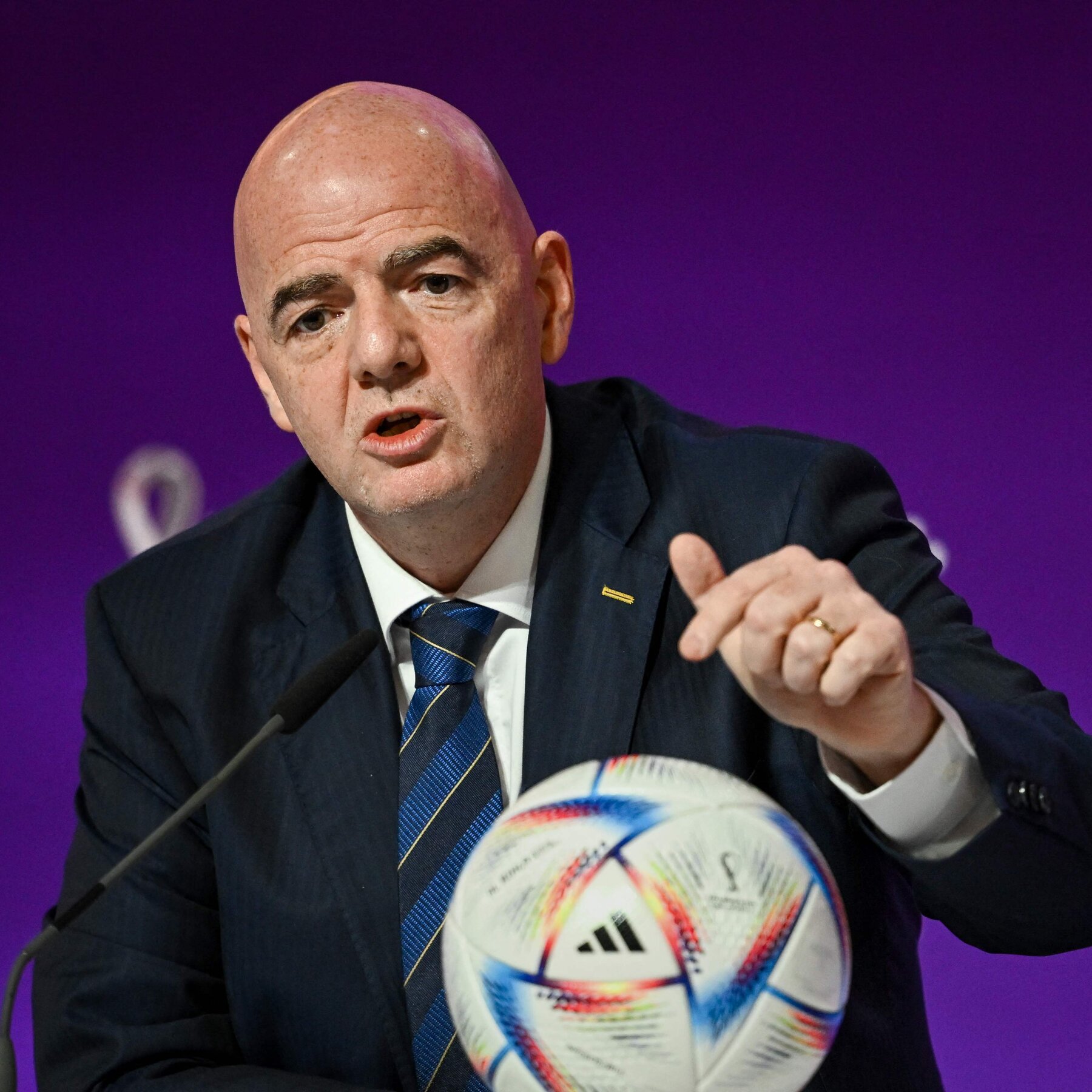
World football governing body FIFA has withdrawn its controversial proposal to allow private investment in the FIFA World Cup following widespread opposition from football federations, regional confederations and senior officials, marking a major setback for FIFA President Gianni Infantino.
The proposal, unveiled earlier this week, sought to create a new commercial entity that would manage FIFA’s revenue-generating assets, including the World Cup, with plans to sell a 20 per cent stake to private investors. The venture was reportedly valued at around $20 billion and was expected to generate billions of dollars in fresh capital for football development.
However, the plan triggered immediate resistance from across the football community, with European governing body UEFA leading the opposition. Other confederations, including CONCACAF and the Asian Football Confederation (AFC), also expressed concerns over the proposal, arguing that the World Cup’s commercial rights should remain under FIFA’s direct control rather than being partially transferred to private investors.
According to reports, UEFA’s 55 member associations warned they could boycott FIFA competitions if the proposal moved forward, while critics accused FIFA of failing to adequately consult stakeholders before unveiling the initiative. The controversy also prompted the resignation of senior FIFA adviser Carlos Cordeiro, who described the proposal as damaging to the long-term interests of world football.
Announcing the decision to withdraw the plan, Infantino acknowledged the divisions it had created and said preserving unity within the global football community was paramount.
“Our purpose has always been and will always be to unite and improve,” Infantino said in a statement, confirming that the proposal would not proceed.
The abandoned proposal was intended to strengthen FIFA’s commercial operations and generate additional funding for its member associations. However, opponents argued that introducing private equity into the governance of the sport’s most prestigious tournament risked undermining football’s independence and prioritising investor returns over the game’s long-term interests.
The reversal is widely viewed as a significant political setback for Infantino ahead of FIFA’s next presidential election in 2027, with analysts suggesting the controversy has exposed growing dissatisfaction with FIFA’s governance and decision-making processes.